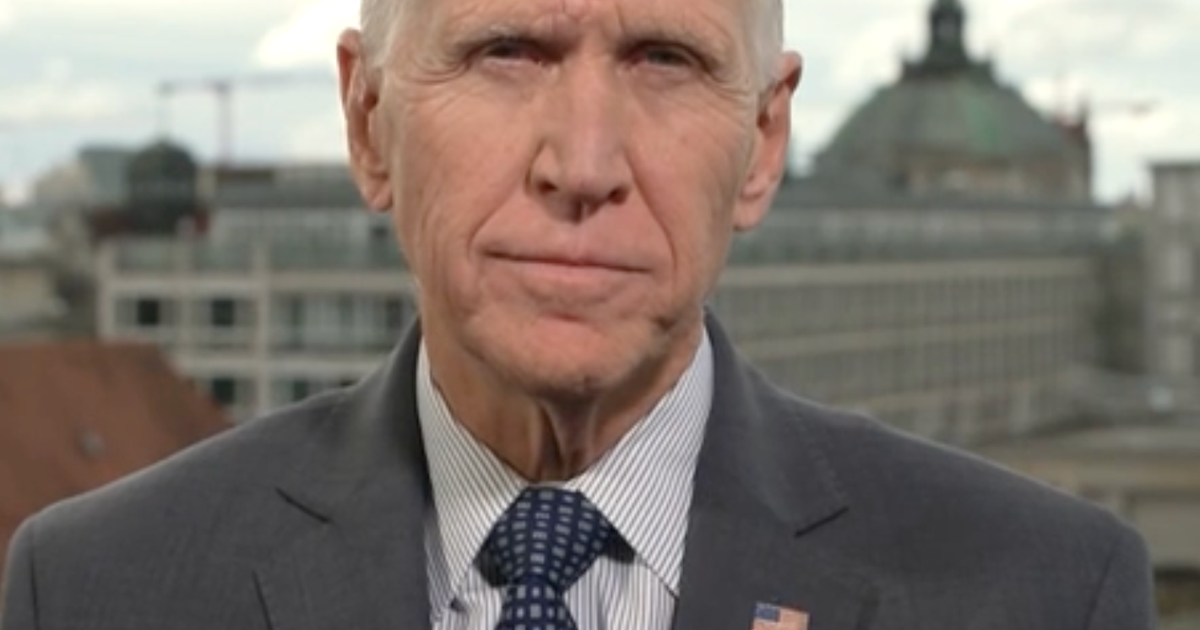

Senator Thom Tillis Speaks Candidly About NATO, Trade, and the Future of American Leadership
America’s Commitment to NATO Remains Strong Despite Shifting Dynamics
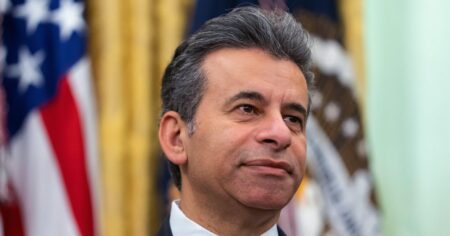
Senator Thom Tillis of North Carolina didn’t mince words during his appearance on “Face the Nation” from the Munich Security Conference in Germany. When confronted with a recent report suggesting that Europe can no longer rely on the United States as an unquestioned security partner, the Republican senator offered a nuanced perspective that acknowledged both legitimate grievances and unwavering American commitment. Tillis pointed to a staggering $2 trillion shortfall in defense spending by NATO allies over the past two decades, arguing that this deficit has hampered readiness, innovation, and manufacturing capacity across the alliance. “The NATO alliance is the most important alliance in the history of mankind,” Tillis emphasized, making it clear that despite frustrations with how the White House has handled certain communications, Congress stands firmly behind the partnership. He reminded viewers that the United States has three co-equal branches of government, and while the president may be using unconventional tactics to push allies toward greater self-sufficiency, the legislative branch remains committed to supporting European security. The senator rejected the notion that NATO has become a “second tier” alliance, calling such assessments alarmist and suggesting they come from people who don’t truly understand the power and brilliance of the transatlantic partnership.
Calling Out Past Shortcomings While Looking Toward the Future
Tillis didn’t shy away from criticizing European allies for their historical underinvestment in defense, but he also offered a path forward rooted in honest acknowledgment and renewed commitment. He suggested that if NATO countries would simply admit their past shortcomings and redouble their efforts, much of the current tension would dissipate. The senator drew a parallel to how quickly the controversy over Greenland faded from headlines, suggesting that diplomatic storms often pass more quickly than feared when cooler heads prevail. He was particularly pointed in addressing European leaders who fund generous social programs while falling short on defense commitments, calling for an “honest discussion with family members” to get the alliance back on track. Tillis expressed hope that the current moment might actually lead to improved European self-reliance, which would ultimately strengthen rather than weaken the partnership. He took issue with some of the administration’s messaging, specifically disagreeing with the Pentagon’s characterization of future NATO support as “more limited and focused,” saying he would not have used those words. Instead, Tillis argued for an approach centered on strength and deterrence, acknowledging that while the United States could potentially go it alone, the NATO alliance is what truly makes America a superpower and keeps the world safer.
Arctic Security and the Greenland Controversy
When discussing the recently announced NATO Arctic Sentry mission, Senator Tillis offered a pragmatic perspective that cut through recent diplomatic tensions. He called the administration’s threats regarding Greenland “irresponsible,” arguing that the focus should have been on modernizing the 1951 agreement that gives the United States access to project power in the Arctic region. Now that “temperatures have cooled,” Tillis advocated for showing respect to Denmark and Greenland while developing a fiscally sound strategy for Arctic presence. He mentioned upgrading the space base in northern Greenland and considering a base that had been offered to the United States for a dollar, all while working collaboratively with Canada on icebreaker capabilities and with Scandinavian allies to deter both China and Russia in the region. His approach reflected a belief that diplomatic finesse and long-term strategic thinking should trump bluster and threats. The senator seemed relieved that the Greenland controversy had largely faded, noting with some incredulity that it was only three weeks prior, yet felt like ancient history. This rapid shift demonstrated, in his view, that hyperbolic rhetoric often creates storms that pass quickly once more reasonable approaches take hold.
Taking a Surgical Approach to Tariffs and Trade
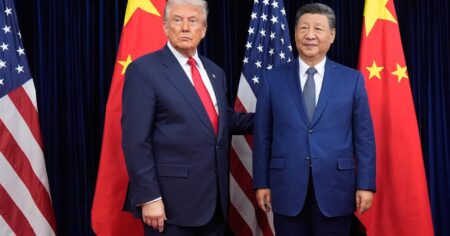
On the contentious issue of tariffs, Senator Tillis charted a middle course that acknowledged legitimate concerns about trade imbalances while criticizing the administration’s blunt-force approach. He expressed particular bewilderment about the 50% tariff imposed on Brazil, a country with which the United States actually maintains a trade surplus, calling such decisions “irrational.” While Tillis said he could justify tariffs in some cases based on countries’ past behaviors and chronic trade deficits, he emphasized the need for surgical precision rather than blanket policies that create uncertainty in business environments. The senator supported modernizing the USMCA agreement with Canada and Mexico through comprehensive negotiations rather than imposing across-the-board tariffs that disrupt established trading relationships. He pushed back against the idea that Republicans should “distance themselves” from the president on this issue, arguing that such framing represents what’s wrong with Washington’s current political culture. Instead, Tillis framed his disagreements as matters of “how” rather than “what,” supporting the goal of addressing trade imbalances while questioning the methods being employed. He stressed that America is at its best when it provides certainty to businesses and trading partners, something that erratic tariff policies undermine.
Standing Firm on Federal Reserve Nominations
Senator Tillis demonstrated his willingness to use Senate leverage when he reiterated his position on blocking Federal Reserve confirmations until a Justice Department investigation into current Fed Chairman Jerome Powell is resolved. The senator characterized the investigation as stemming from “a young U.S. attorney with a dream trying to get the president’s attention,” suggesting the prosecutor hadn’t even consulted with senior Justice Department officials before pursuing what Tillis views as a baseless inquiry. He noted that seven Republican committee members saw no criminal intent or activity in the matter, which apparently centers on just two minutes of discussion before Chairman Powell. Tillis questioned how there could be a “crime scene” when seven Republican members say no crime was committed, and he emphasized that normal protocol would involve a referral from committee leadership indicating they believe a crime occurred. When pressed about whether Treasury Secretary’s comments about a deal for confirmation hearings for Kevin Warsh were accurate, Tillis clarified the distinction between hearings (which the committee chair controls) and markups (where his leverage lies). He made clear that regardless of any hearings, he would not support moving forward with confirmations until the Powell matter is fully resolved, by which he clearly means dropped entirely.
Concerns About November and the President’s Inner Circle
In perhaps his most pointed comments, Senator Tillis expressed serious concerns about whether Republicans would maintain control of both chambers of Congress if elections were held today. While confident about the Senate, he had “questions about the House,” citing potential overreach in redistricting and the historical challenges parties face in midterm elections following a presidential victory. Tillis attributed much of his concern to what he views as poor advice the president is receiving from certain advisers. He specifically named Stephen Miller and Kristi Noem as people who “don’t look around corners and are not taking care of this president’s legacy.” The senator’s willingness to publicly criticize named administration officials demonstrated his commitment to what he called “speaking bluntly” in his remaining time in the Senate. Throughout the interview, Tillis positioned himself as someone trying to protect the president’s legacy and the Republican Party’s electoral prospects by offering honest, sometimes uncomfortable feedback about policy implementation and messaging. His approach reflected a traditional Republican foreign policy perspective that values alliances, predictability, and institutional norms, even while acknowledging legitimate grievances about burden-sharing and past policy failures. The senator seemed to be walking a careful line—supporting many of the administration’s goals while strongly objecting to the tactics being used to achieve them, all while keeping his eye on the political calendar and the approaching midterm elections.