
Senator Tom Cotton Discusses U.S. Military Campaign Against Iran
No Ground Invasion Planned, But Boots Ready for Rescue
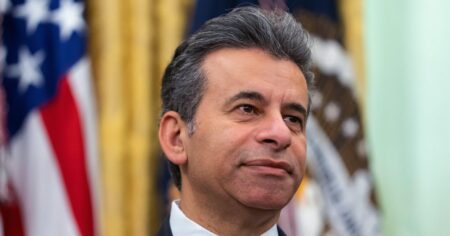
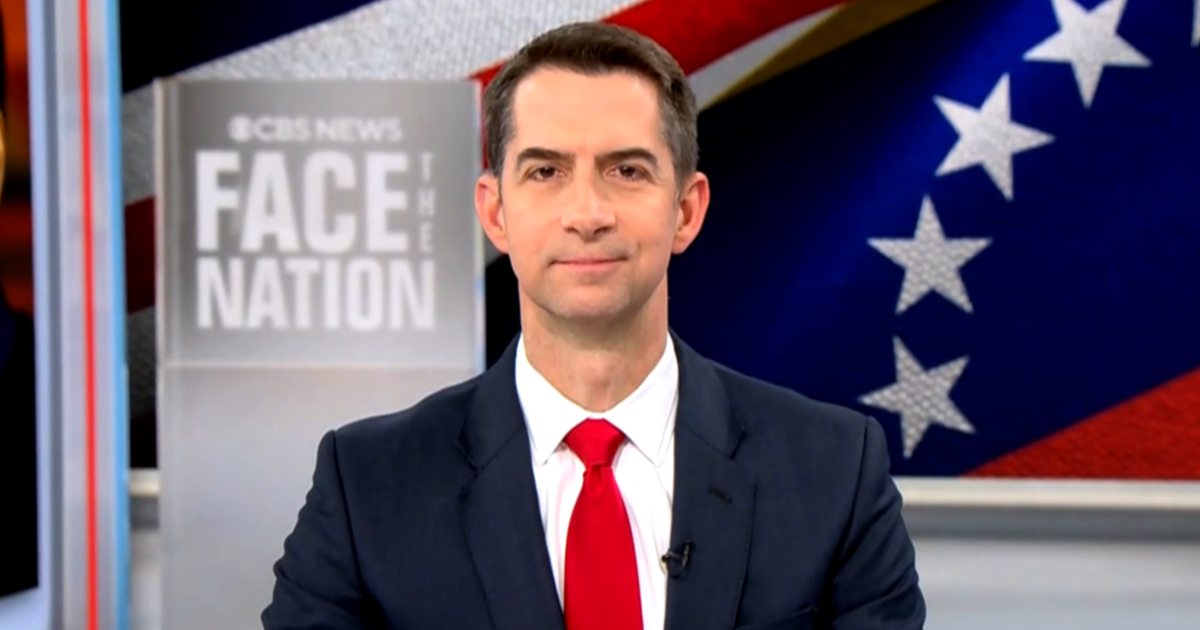
In a revealing interview on “Face the Nation,” Senator Tom Cotton of Arkansas, who chairs the Senate Intelligence Committee, addressed growing concerns about potential American casualties in the ongoing military operations against Iran. The senator was quick to clarify that despite President Trump’s warnings about possible U.S. casualties, there are no plans for a large-scale ground invasion. Instead, what Americans should expect is an extensive air and naval campaign designed to systematically dismantle Iran’s military infrastructure, particularly its vast missile arsenal and nuclear capabilities. Cotton explained that the real risk to American personnel comes from the possibility of aircraft being shot down during these operations. In such scenarios, the United States has combat search and rescue teams positioned and ready to extract any downed pilots, which would necessitate putting boots on the ground temporarily. This distinction is crucial—while rescue operations might require ground forces in emergency situations, there’s no strategy for occupation or sustained ground combat operations inside Iranian territory. The senator’s emphasis on this point appeared designed to reassure Americans worried about another prolonged Middle Eastern ground war.
Intelligence Operations and the Supreme Leader’s Death
When pressed about reports from The New York Times suggesting the CIA provided the precise location that led to the killing of Iran’s Supreme Leader, Senator Cotton offered a carefully measured response that neither confirmed nor denied America’s direct involvement. His visible smile during the questioning, however, spoke volumes about the operation’s success from the U.S. perspective. While maintaining the necessary secrecy around intelligence methods and sources, Cotton made it clear that both American and Israeli intelligence agencies possess unparalleled capabilities in tracking high-value targets. He emphasized that locating leaders of adversarial nations, including Iran’s Supreme Leader and other ayatollahs, represents one of the highest priorities for U.S. intelligence operations. The senator’s comments painted a picture of a sophisticated, coordinated intelligence-sharing relationship between the United States and Israel that has once again demonstrated its effectiveness on the world stage. His refusal to explicitly confirm CIA involvement while simultaneously praising the intelligence community’s “exquisite” collection methods represented the delicate balance officials must strike when discussing classified operations in public forums. What emerged clearly from this exchange was that whether the intelligence came primarily from American or Israeli sources, this operation showcased the technological and human intelligence advantages that these allied nations maintain over their adversaries.
Destroying Iran’s Missile Arsenal: The Primary Objective
Senator Cotton articulated what he described as the immediate and most critical objective of the military campaign: the complete destruction of Iran’s massive missile arsenal. According to the senator, Iran possesses more missiles than the combined air defense systems of the United States and Israel can effectively neutralize, making these weapons an existential threat not only to American military personnel stationed across a wide geographic area—from the Indian Ocean to Western Europe—but also to regional allies including Israel and Arab nations friendly to U.S. interests. Cotton employed a vivid metaphor to explain the military strategy, saying it’s far more effective “to kill the archer on the ground than it is to shoot his arrows out of the sky.” This approach emphasizes preemptive strikes against missile launchers, storage facilities, and manufacturing capabilities before Iran can deploy these weapons. The goal extends beyond merely destroying existing stockpiles; the campaign aims to cripple Iran’s ability to rebuild its missile infrastructure in the future. This strategy reflects lessons learned from previous conflicts where destroying weapons after they’ve been launched proves exponentially more difficult and dangerous than eliminating them before deployment. The senator’s description suggests a methodical, sustained campaign that will likely continue for weeks, systematically targeting not just the missiles themselves but the entire supply chain and infrastructure that supports Iran’s ballistic missile program.
Uncertain Future: What Happens After Regime Leadership Falls?
Perhaps the most revealing and concerning aspect of the interview centered on what happens next in Iran following the death of the Supreme Leader and ongoing attacks on the ayatollahs who have ruled the country for 47 years. When Margaret Brennan played a clip of Secretary of State Marco Rubio’s congressional testimony from January 2026, in which he admitted there was no simple answer to what would happen if Iran’s regime collapsed, the uncertainty of the current strategy became apparent. Senator Cotton acknowledged this complexity, noting that Iran’s leadership succession process is deliberately consultative and lacks a clear plan—a situation now complicated by continuous American and Israeli strikes on senior leadership. The senator made reference to “Iran’s Delsy Rodriguez,” alluding to the Venezuelan official who has participated in managed political transitions, suggesting the possibility of working with someone within Iran’s existing system rather than supporting complete revolutionary change. However, when pressed repeatedly by Brennan about whether this represents managed regime change or betting on complete collapse, Cotton couldn’t provide a definitive answer. He pivoted instead to discussing the 90 million Iranian people who have suffered under the Islamic Republic for nearly five decades, suggesting that popular uprising represents the true opposition. This exchange highlighted a potentially significant gap in strategic planning—while the military objectives appear clear and well-defined, the political endgame remains nebulous and seemingly unformed even as operations are actively underway.
Presidential Authority and Public Support
The interview also touched on the controversial question of presidential war powers and whether President Trump needed congressional authorization before launching these strikes. Senator Cotton cited CBS polling showing that 74% of Americans believed Trump should seek congressional approval for military action against Iran—approval he did not obtain before ordering the strikes. Cotton defended the president’s eight-minute video address posted on social media as sufficient communication with the American public, comparing it favorably to traditional presidential addresses delivered through broadcast networks. He argued that Trump’s message effectively laid out Iran’s 47-year history of terrorism and violence against the United States and the civilized world, providing adequate justification for the current military campaign. When Brennan challenged whether a social media video adequately explained the imminent threat or justified potential American casualties, Cotton maintained that presidential custom had been followed and promised additional briefings and congressional votes in the coming days. He anticipated overwhelming Republican support for the military action and invited Democrats to join colleagues like Senators John Fetterman and Representatives Josh Gottheimer and Greg Landsman in supporting American troops and the decision to eliminate Iran’s threat. This portion of the conversation revealed the ongoing tension between executive authority to conduct military operations and congressional oversight responsibilities, a constitutional question that remains unresolved even as American forces actively engage in combat operations.
A High-Stakes Gamble with an Unclear Endpoint
Senator Cotton’s interview revealed both the confidence and uncertainty surrounding this major military operation against Iran. On one hand, the tactical and operational objectives appear well-defined: destroy Iran’s missile capabilities, prevent nuclear weapons development, eliminate senior leadership responsible for decades of anti-American terrorism, and do so primarily through air and naval power without large-scale ground invasion. The senator expressed clear confidence in American and Israeli intelligence capabilities, military technology, and the righteousness of the cause after 47 years of Iranian aggression. On the other hand, the strategic political objectives remain frustratingly vague. There’s no identified opposition leader, no unified resistance movement ready to assume power, no clear plan for what governance structure should replace the Islamic Republic, and no definitive answer on whether the goal is managed transition or complete revolutionary change. Cotton’s repeated references to the “90 million Iranians” as the opposition, while emotionally resonant, doesn’t constitute an actual political strategy. His promise that “help has arrived” for the Iranian people, while the president simultaneously pounds their country with airstrikes, presents a complex message that may or may not resonate with a population that has historically shown both opposition to their government and resistance to foreign intervention. As this military campaign enters what Cotton describes as a weeks-long operation, the American public, Congress, and the international community are left watching a high-stakes gamble unfold in real-time—one with clear military objectives but uncertain political outcomes that could reshape the Middle East for generations to come.