
Scouting America Revises Policies Under Pentagon Pressure, Including Transgender Youth Restrictions
Pentagon Demands Policy Overhaul in Exchange for Continued Support
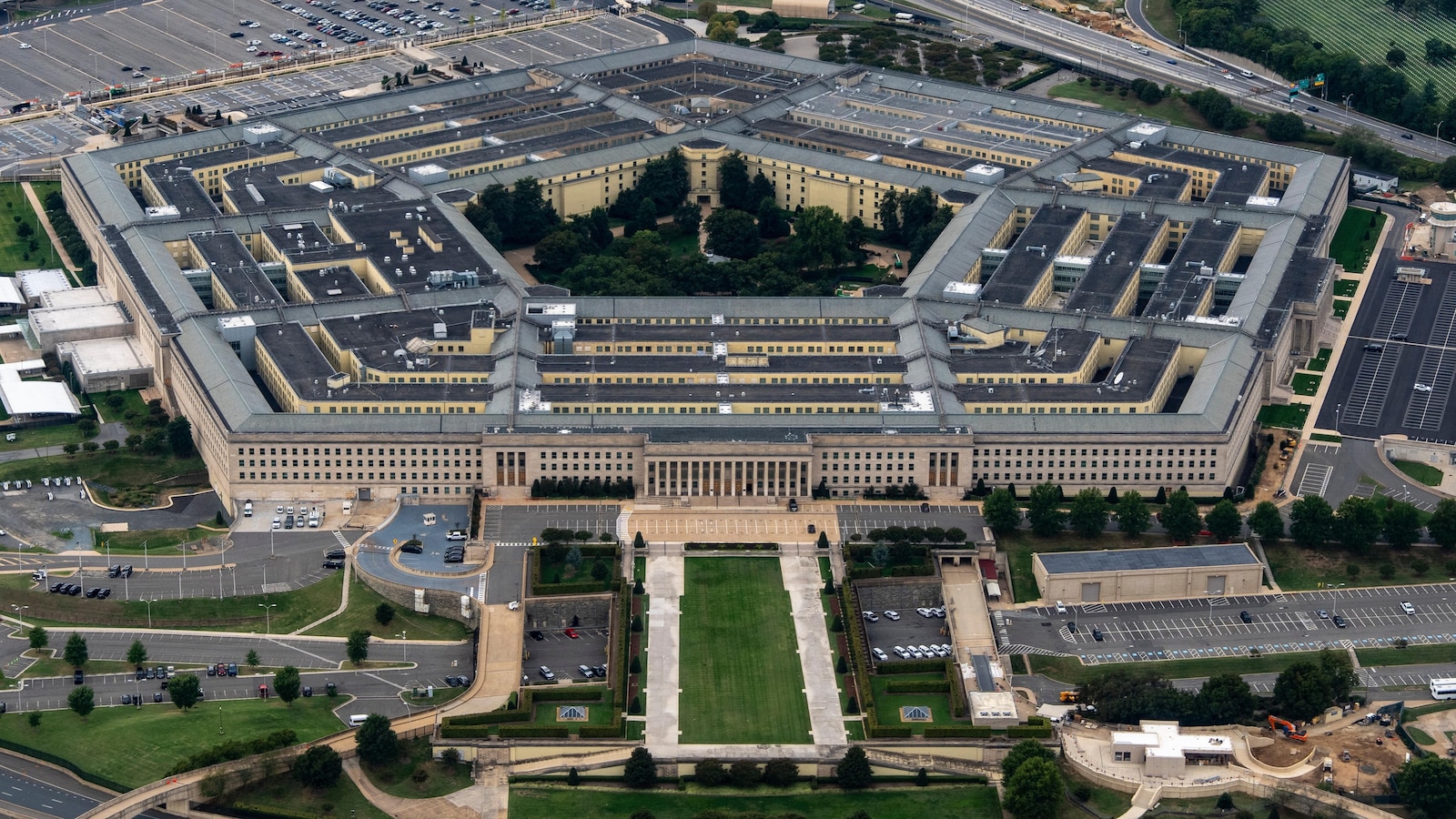
Defense Secretary Pete Hegseth announced Friday that Scouting America has agreed to implement several significant policy changes at the Pentagon’s request, including new restrictions on transgender youth participation. This decision comes as part of Hegseth’s broader initiative to eliminate what he characterizes as diversity, equity, and inclusion (DEI) efforts within organizations supported by the military. The changes represent a dramatic shift for an organization that has spent the past decade gradually expanding its inclusivity policies. Some modifications align with suggestions Scouting America previously made to the Pentagon in January, such as discontinuing the Citizenship in Society merit badge, creating a new Military Service merit badge, and waiving registration fees for children of military families. However, the most controversial change involves how the organization handles gender identity and biological sex in its membership policies.
The Defense Department, under Hegseth’s leadership, has specifically targeted the military’s longstanding partnership with Scouting America, criticizing the organization’s historic 2024 rebrand from “Boy Scouts of America” and other recent progressive changes. Hegseth views these transformations as examples of “woke culture” that he’s determined to eliminate from institutions connected to the military. In a video posted on social media platform X, Hegseth outlined that Scouting America will now require members to use their “biological sex at birth and not gender identity” when registering. Applications will only offer male and female options, and the selection must correspond with what appears on the applicant’s birth certificate. Furthermore, the organization will clarify that youth of opposite genders assigned at birth cannot share bathrooms, tents, or similar spaces during scouting activities. Hegseth warned that the Pentagon will “vigorously review” these changes over the next six months and will terminate its support if Scouting America fails to comply fully with the new requirements.
Organization Responds While Maintaining Its Inclusive Name
In its official statement released Friday, Scouting America notably avoided directly mentioning the policy change affecting transgender youth, instead emphasizing its obligation to comply with President Donald Trump’s executive order targeting DEI programs. The Irving, Texas-based organization made a point of highlighting that despite the policy changes, it has retained its new inclusive name and continues to serve more than 200,000 girls who currently participate in its programs. This careful messaging suggests the organization is attempting to balance Pentagon demands with its commitment to members who joined under more inclusive policies. The statement also stressed Scouting America’s desire to strengthen its century-old partnership with the military, which has historically included scouts meeting on or near military installations both domestically and internationally.
Scouting America defended its value to military recruitment and readiness, stating: “Scouting America is one of the most reliable pipelines to the United States Armed Forces our country has ever known.” The organization pointed out that scouts are significantly more likely to serve in uniform compared to the general population, and that Eagle Scouts are heavily represented in ROTC programs, service academies, and military leadership tracks. This argument appears designed to remind the Pentagon of the mutual benefits of their partnership beyond ideological considerations. The timing of Hegseth’s announcement is particularly noteworthy, as it coincides with escalating tensions with Iran and the Trump administration’s consideration of possible military action while deploying the largest concentration of U.S. warships and aircraft to the Middle East in decades. This raises questions about the prioritization of cultural policy changes over immediate national security concerns.
A Decade of Progressive Changes Now Under Scrutiny
The current controversy represents a dramatic reversal for an organization that has spent the past ten years systematically expanding its inclusivity. Scouting America began allowing gay youth in 2013, ended its blanket ban on gay adult leaders in 2015, and announced in 2017 that it would accept transgender students who identify as boys. The organization started accepting girls as Cub Scouts in 2018 and into its flagship program, renamed Scouts BSA, in 2019. These changes reflected evolving social attitudes and were aimed at maintaining relevance in contemporary American society. However, they also generated controversy among traditionalists who believed the organization was abandoning its original mission and values.
The Pentagon’s February 6th statement criticized Scouting America for having “lost its way,” calling the organization’s DEI efforts “unacceptable” and claiming that “Scouting America’s leadership has made decisions that run counter to the values of this administration, including an embrace of DEI and other social justice, gender-fluid ideological stances.” The military stated it would only continue the partnership if the organization “rapidly implements the common-sense, core value reforms.” Hegseth’s broader anti-DEI campaign has included ending all military training at what he terms “woke” Harvard and announcing that the independent military newspaper Stars and Stripes would no longer include “woke distractions.” Last month, Scouting America presented Hegseth with a comprehensive plan that included dissolving its DEI board committee and holding a ceremony to rededicate itself to leadership, duty to God, duty to country, and service—a symbolic return to traditional values.
Historical Context and the Evolution of American Scouting
Founded in 1910, the Boy Scouts of America achieved an iconic status in American culture over the decades, with pinewood derbies, the Scout Oath, and Eagle Scouts becoming woven into the national identity. The U.S. military and the Boy Scouts developed deep ties over generations, with the military providing logistical support for the National Boy Scout Jamboree since its inception in 1937 and maintaining strong relationships with Eagle Scouts, many of whom chose military service. However, the organization’s history hasn’t been without significant controversies and challenges. In a landmark 1992 lawsuit brought by an assistant scoutmaster expelled over his sexual orientation, the U.S. Supreme Court ruled that the Scouts could maintain membership and leadership criteria excluding gay people based on freedom of association principles. This ban remained in place for over two decades before social pressure and changing attitudes led to its reversal.
Beyond ideological debates, the Boy Scouts faced a devastating reckoning over widespread sexual abuse within its ranks. The organization sought bankruptcy protection in 2020 after being overwhelmed by abuse claims. In 2023, a judge upheld a $2.4 billion bankruptcy plan that allowed the organization to continue operating while compensating more than 80,000 men who filed claims alleging they were sexually abused while in scouting. This massive settlement represented one of the largest abuse scandals in American institutional history and fundamentally changed the organization’s financial situation and public image. Last year, Scouting America President and CEO Roger Krone acknowledged receiving some backlash to the rebrand but described the overall response as positive, generating wider interest in the organization. Despite the name change and expanded inclusivity, the organization reported gaining only about 16,000 new scouts—less than a 2% increase from the prior year—bringing total membership to just over 1 million, significantly below its historical peak.
Implications and Future Uncertainty
The Pentagon’s ultimatum creates significant uncertainty about Scouting America’s future direction and whether it can maintain both its military partnership and its commitment to the hundreds of thousands of girls and potentially transgender youth currently in its programs. The six-month review period Hegseth announced will be closely watched by both supporters and critics of the policy changes. For families of transgender youth currently participating in scouting programs, the new policies represent a potential exclusion from activities that may have been central to their children’s development and social lives. Civil rights organizations are likely to challenge these restrictions, arguing they discriminate against vulnerable young people and contradict broader trends toward transgender inclusion in youth activities.
For Scouting America’s leadership, the situation presents an extraordinarily difficult balancing act. The organization depends on military support for significant resources and facilities, particularly for troops based near or on military installations domestically and abroad. Losing Pentagon backing would represent a substantial operational and financial blow. However, reversing inclusivity policies risks alienating progressive members, volunteers, and donors who support the organization’s evolution toward broader acceptance. It also raises questions about organizational integrity—whether external pressure should dictate fundamental membership policies. Hegseth’s comment that “ideally, I believe the Boy Scouts should go back to being the Boy Scouts as originally founded, a group that develops boys into men” suggests the current compromise may not satisfy those seeking a complete return to traditional exclusivity. As American society continues wrestling with questions of gender identity, religious freedom, and institutional values, Scouting America finds itself at the center of these cultural debates, forced to navigate between competing visions of what youth development should look like in the 21st century.