
The Future of Air Traffic Control: AI as a Helper, Not a Replacement
A Massive Infrastructure Overhaul Underway
The United States is embarking on one of the most significant upgrades to its aviation infrastructure in recent history. The Department of Transportation has begun the monumental task of completely overhauling the nation’s air traffic control system, with an initial investment of $12 billion. This isn’t just a simple software update or minor equipment replacement—it’s a comprehensive transformation of how America manages its skies. The project represents a critical modernization effort for a system that, in many places, still relies on technology from decades past. As part of this massive undertaking, there are plans to weave artificial intelligence into the fabric of air traffic management, though not in the way some might fear. Transportation Secretary Sean Duffy has been clear about the department’s vision: AI will serve as a powerful tool to enhance human capabilities, not replace the skilled professionals who keep our skies safe every day.
Putting Fears to Rest: Humans Stay in Control
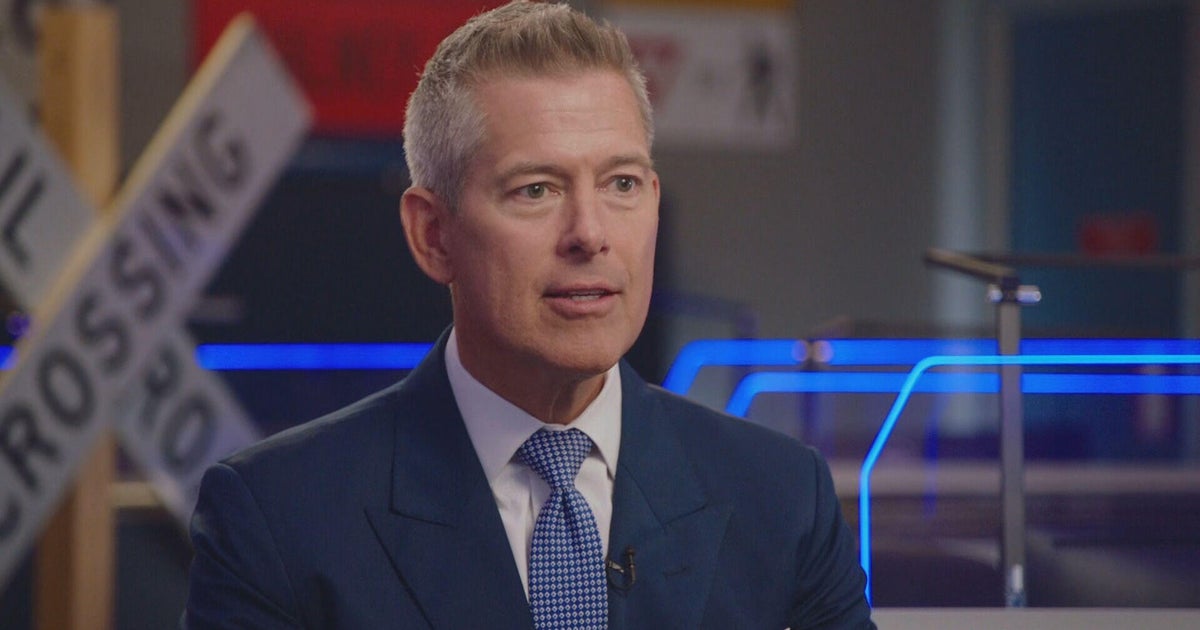
One of the biggest concerns surrounding the integration of AI into critical infrastructure is the fear of human displacement. When it comes to air traffic control—a field where split-second decisions can mean the difference between safe flights and catastrophic accidents—these concerns are amplified. Transportation Secretary Sean Duffy has addressed these worries head-on with remarkably straightforward language. “That’s not gonna happen,” Duffy told CBS News when asked about AI replacing air traffic controllers entirely. He didn’t mince words or hide behind bureaucratic language, making his position crystal clear: “AI is a tool, but we do not replace humans in how we manage the airspace.” Going even further, when asked specifically if AI would take over managing the airspace from controllers, Duffy’s response was emphatic: “The answer to that is hell no, that’s not gonna happen.” This direct, unambiguous stance from the top transportation official in the country should provide reassurance to both the professionals working in air traffic control and the flying public who depend on their expertise.
How AI Will Actually Help: Smarter Scheduling and Fewer Delays
So if AI isn’t replacing air traffic controllers, what exactly will it do? According to Secretary Duffy, the technology will function as an advanced assistant that helps controllers manage one of the most frustrating aspects of modern air travel: delays. The proposed AI system would work by merging airline flight schedules with the Federal Aviation Administration’s systems, creating a comprehensive view of air traffic that extends weeks into the future. The real magic happens in the system’s ability to predict potential bottlenecks and conflicts before they occur. As Duffy explained, the software would be able to look 45 days ahead and identify when too many flights are scheduled to arrive or depart within tight timeframes. Rather than waiting until the day of travel and then scrambling to manage overcrowded airspace—which results in those dreaded delay announcements—the AI would suggest small adjustments. “Let’s move some of those flights a little bit later, or five, seven, 10 minutes earlier, and we can resolve the issue,” Duffy said, describing how minor schedule tweaks made well in advance could prevent delays altogether. This proactive approach represents a fundamental shift from reactive problem-solving to predictive problem-prevention, potentially saving millions of travelers from the stress and inconvenience of delayed flights.
What’s Been Accomplished and What’s Still Needed
The modernization effort is already showing tangible results across the country’s aviation infrastructure. Thanks to funding provided through the Big Beautiful Bill passed by Congress last year, which allocated $12.5 billion for air traffic control system upgrades, the Transportation Department has made impressive progress on several fronts. Nearly half of all copper wiring—technology that in some cases dates back many decades—has been replaced with modern alternatives. Approximately 270 radio sites have been upgraded, ensuring clearer and more reliable communications between controllers and pilots. Perhaps most significantly, 54 airports have received new surface awareness systems that dramatically improve controllers’ ability to track aircraft moving on the ground, addressing one of the most dangerous phases of flight. Additionally, 17 control towers have transitioned from using literal paper strips to track flights—a system that sounds almost quaint in the modern era—to electronic flight strips, bringing these facilities into the digital age. However, despite this progress, a significant financial hurdle remains: Congress still needs to approve funding for the AI software itself, which carries an estimated price tag of $6 billion to $10 billion. This represents a substantial additional investment beyond what’s already been allocated, but proponents argue it’s essential for creating a truly modern, efficient air traffic control system.
Recent Incidents Highlight the Urgent Need for Better Tools
The push for advanced AI assistance in air traffic control isn’t happening in a vacuum—it comes against a backdrop of troubling incidents that have shaken public confidence in aviation safety. A series of high-profile events involving apparent air traffic control errors have made headlines recently, most notably a deadly collision at LaGuardia Airport in New York City last month. These incidents serve as stark reminders that even in one of the world’s most advanced aviation systems, human error remains a persistent risk factor. Secretary Duffy acknowledged this reality candidly: “We have human beings navigating, managing the airspace, and as human beings, we can make mistakes.” Rather than viewing this as a weakness to be eliminated by removing humans from the equation, Duffy sees it as a reason to provide better support systems. “That’s why I want to give additional tools to support the air traffic controllers,” he explained. This philosophy recognizes that air traffic control is an incredibly demanding job requiring constant vigilance, rapid decision-making, and the ability to manage multiple complex situations simultaneously. By providing controllers with AI-powered tools that can predict problems, suggest solutions, and handle routine data analysis, the system can leverage the strengths of both human judgment and machine processing power.
Looking Ahead: A Partnership Between Human Expertise and Machine Intelligence
The vision for America’s future air traffic control system represents a balanced approach to technological advancement—one that embraces innovation while respecting the irreplaceable value of human expertise and judgment. Rather than pursuing automation for its own sake or clinging to outdated systems out of fear of change, the Transportation Department’s plan seeks to create a partnership where AI handles what it does best—processing vast amounts of data, identifying patterns, and making predictions—while human controllers continue to do what they do best—making nuanced decisions, handling unexpected situations, and applying years of experience to complex scenarios. This approach could serve as a model for how AI integration might work in other critical fields where human lives depend on split-second decisions. As the modernization effort continues, with billions of dollars being invested in everything from new wiring to sophisticated software, the ultimate goal remains constant: safer, more efficient air travel for the millions of people who take to the skies every day. The success of this initiative will depend not just on the technology being deployed, but on how well that technology is designed to work with and support the skilled professionals who will continue to be the ultimate guardians of our nation’s airspace. With strong leadership commitment to keeping humans in control and using AI as an enhancement rather than a replacement, the future of American air traffic control looks to be both technologically advanced and reassuringly human-centered.