
Senior DHS Spokesperson Steps Down Amid Immigration Enforcement Controversy
McLaughlin’s Departure After Turbulent Period
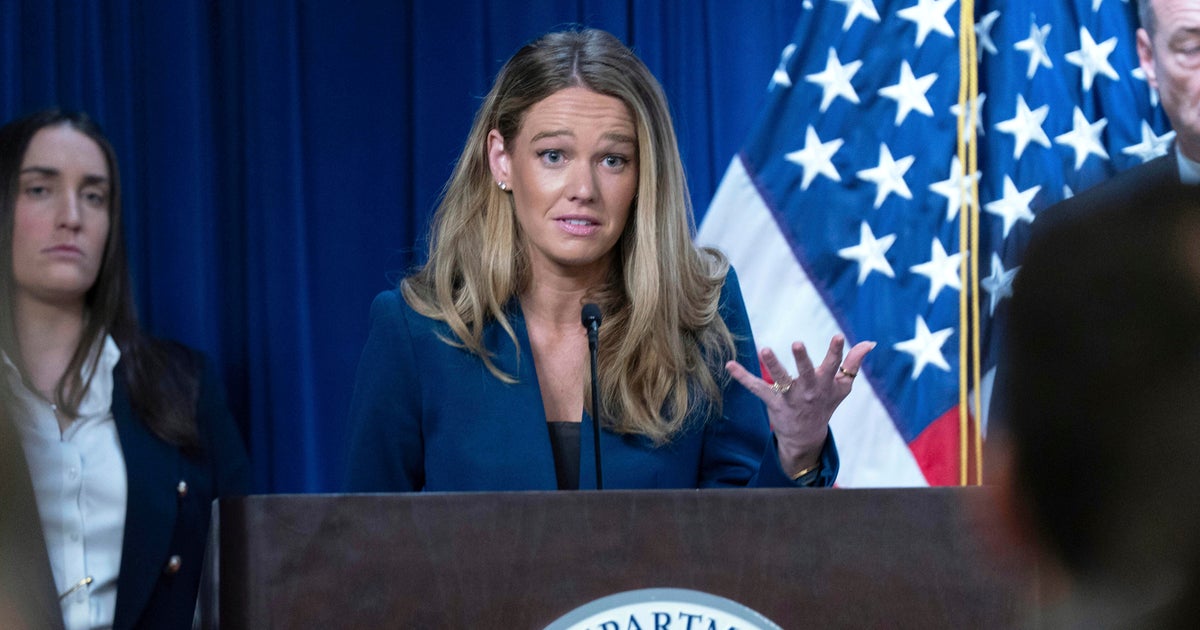
Tricia McLaughlin, who served as the chief spokesperson for the Department of Homeland Security, is set to leave her position next week, according to two U.S. officials who spoke with CBS News on Tuesday. Her exit comes during one of the most controversial periods in recent immigration enforcement history, as she has been at the forefront of defending the Trump administration’s aggressive deportation policies. As the public face of the agency leading President Trump’s mass deportation initiative, McLaughlin became a highly visible figure, regularly appearing on major news networks and actively engaging on social media platforms to defend the administration’s stance on immigration. Sources close to McLaughlin revealed that while her departure had actually been planned since December, she postponed leaving her role following a tragic incident in Minneapolis that put the administration’s immigration enforcement tactics under intense scrutiny.
The Minneapolis Tragedy That Changed Everything
The decision to delay her departure wasn’t made lightly. The fatal shootings of two American citizens in Minneapolis by federal immigration officers created a crisis that demanded experienced leadership in the communications department. Reene Good and Alex Pretti, both Minneapolis residents, lost their lives during separate encounters with Immigration and Customs Enforcement (ICE) and Customs and Border Protection (CBP) officers respectively. These tragic deaths sparked nationwide outrage and brought unprecedented attention to the methods being employed in the Trump administration’s immigration crackdown. The incidents occurred during what officials described as an unprecedented deployment of federal immigration agents to Minnesota, a move that many critics viewed as excessive and dangerous. The deaths of these two citizens became a rallying point for those opposed to the administration’s immigration policies, transforming what had been a largely abstract political debate into a very real and human tragedy that couldn’t be ignored.
McLaughlin’s Role as the Administration’s Immigration Voice
Throughout her tenure at the Department of Homeland Security, McLaughlin established herself as one of the most prominent and unwavering defenders of President Trump’s immigration agenda. She became a familiar face on Fox News and other television networks, where she consistently articulated and justified the administration’s approach to immigration enforcement. Her presence on social media, particularly on X (formerly Twitter), was equally notable, as she regularly posted statements challenging critics of the nationwide crackdown on illegal immigration. The Department of Homeland Security, under her communications leadership, oversees both ICE and CBP—the two federal agencies at the heart of implementing Trump’s deportation operations. Her role required her to navigate increasingly difficult political terrain as the administration’s policies faced growing criticism from various sectors of American society, including religious leaders, civil rights organizations, and concerned citizens who questioned the methods and scope of the enforcement actions being carried out across the country.
Mounting Political Pressure and Public Backlash
McLaughlin’s departure from the DHS comes at a time when the Trump administration is facing its most significant political challenges regarding immigration enforcement. The backlash against the aggressive deportation tactics has been building steadily, but it reached new heights in recent weeks following the Minneapolis incidents and the massive deployment of federal agents to that city. White House border czar Tom Homan, who has been instrumental in designing and implementing the administration’s immigration strategy, announced last week that the large-scale deployment of ICE and Border Patrol agents in Minneapolis would be coming to an end. This decision appeared to be a direct response to the intense criticism and the tragic outcomes of the operation. The political climate surrounding immigration enforcement has become increasingly charged, with advocates on both sides of the issue expressing strong emotions about the direction of federal policy and the real-world consequences of enforcement actions that have touched communities across America.
Shifting Public Opinion on Immigration Enforcement
Perhaps most troubling for the administration has been the notable shift in public opinion regarding its deportation campaign. Recent polling data from CBS News paints a picture of an American public growing increasingly uncomfortable with the current approach to immigration enforcement. The January poll revealed that support for President Trump’s deportation efforts had dropped significantly to just 46%, a substantial decline from the 59% approval rating these policies enjoyed at the beginning of his administration. This 13-point drop in just a matter of weeks represents a significant political liability for an administration that has made immigration enforcement one of its central priorities. Even more striking was the finding that 61% of Americans surveyed believe immigration agents are being “too tough” in their enforcement activities. This majority sentiment suggests that while many Americans may support border security and immigration law enforcement in principle, they are concerned about the methods being used and the impact these operations are having on communities and individuals, including American citizens who have been caught up in enforcement actions.
Looking Ahead: Implications for Immigration Policy
The departure of Tricia McLaughlin from her role as DHS’s top spokesperson represents more than just a personnel change—it symbolizes a pivotal moment in the ongoing national conversation about immigration enforcement. Her exit, coming amid declining public support and tragic incidents that have highlighted the human cost of aggressive enforcement policies, raises questions about how the administration will adjust its messaging and potentially its approach going forward. The challenge of defending increasingly unpopular policies while maintaining public trust and ensuring the safety of all individuals, regardless of immigration status, will fall to her successor. As the administration moves forward, it will need to grapple with the reality that public opinion appears to be turning against the methods, if not necessarily the goals, of its immigration enforcement strategy. The next spokesperson will inherit a difficult task: explaining and justifying policies that a majority of Americans now view as too harsh, while the administration decides whether to modify its approach in response to public sentiment or to double down on its current strategy. The coming weeks and months will reveal whether McLaughlin’s departure marks simply a change in personnel or signals a broader reconsideration of how the federal government approaches one of the most contentious and consequential policy areas facing the nation today.