
U.S. Designates Afghanistan as State Sponsor of Wrongful Detention
A Strong Message to the Taliban
The Trump administration has taken decisive action against Afghanistan’s Taliban government by officially labeling the country as a state sponsor of wrongful detention. Secretary of State Marco Rubio announced this significant designation on Monday, marking a hardline approach to addressing the Taliban’s practice of arbitrarily detaining American citizens. This move empowers the administration to implement a range of punitive measures, including economic sanctions, export controls, and travel restrictions for U.S. passport holders who might otherwise consider traveling to Afghanistan. The designation represents the second of its kind, following a similar label placed on Iran just days before joint U.S.-Israel military operations against the Islamic Republic. The timing underscores the administration’s commitment to confronting nations that use American citizens as bargaining chips in international negotiations.
The Human Cost of Hostage Diplomacy
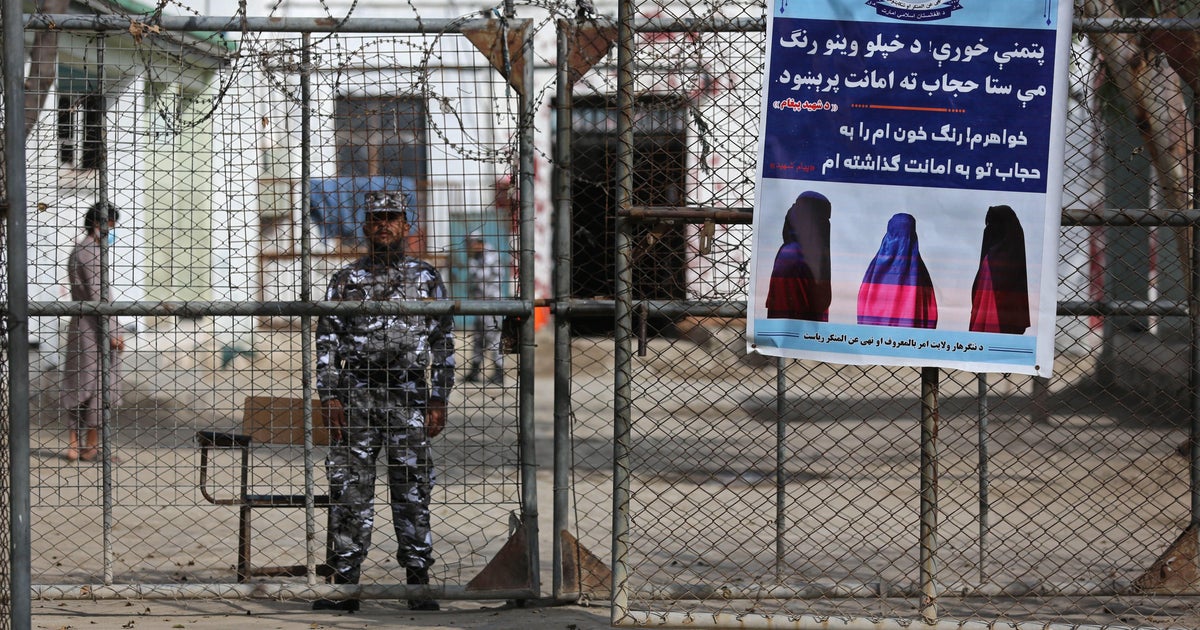
At the heart of this policy decision are real people and real families suffering through the nightmare of having loved ones held captive by foreign governments. Secretary Rubio didn’t mince words when explaining the Taliban’s tactics, describing how they essentially view Americans as commodities to be collected and traded for future concessions. This cruel practice has put American lives at risk and created an environment where it’s simply not safe for U.S. citizens to set foot in Afghanistan. Among those currently detained is Dennis Coyle, a 64-year-old academic from Colorado whose story highlights the arbitrary and unjust nature of these detentions. Coyle was taken into custody just six days after another American, Ryan Corbett, was released at the beginning of President Trump’s second term. He’s being held by the Taliban General Directorate of Intelligence in near-solitary confinement, and according to his family, no charges have been filed against him. His sisters, Molly Long and Amy Sessions, have become vocal advocates for his release, meeting with Secretary Rubio to press for action.
A Day of Remembrance and Action
The designation came on National Hostage and Wrongful Detainee Day, observed annually on March 9th, a somber occasion that brings together government officials, former detainees, and the families of those still held captive abroad. The State Department hosted a ceremony that carried both symbolic and practical significance. The national flag representing wrongfully detained Americans and hostages was raised outside the building, with family members of current detainees watching from the top floor—a powerful visual reminder of the ongoing struggle to bring Americans home. The event provided an opportunity for the administration to highlight some success stories. Special Envoy for Hostage Response Adam Boehler shared encouraging numbers, revealing that since the start of President Trump’s second term, the administration has successfully secured the release of 175 individuals, including 100 Americans who were wrongfully detained in various countries around the world. These figures demonstrate active engagement on the issue, though they also underscore how widespread the problem of hostage-taking and wrongful detention has become.
The Coyle Family’s Hope and Determination
Dennis Coyle’s sisters have emerged as passionate advocates, refusing to let their brother’s plight fade into obscurity. Their meeting with Secretary Rubio represented both a personal plea and an expression of gratitude for the administration’s attention to the issue. In a statement shared with the media, Molly Long expressed deep appreciation for the Secretary’s leadership in holding the Taliban accountable for her brother’s wrongful detention. She specifically mentioned her confidence in key administration figures—Secretary Rubio, Dr. Sebastian Gorka, and Adam Boehler—praising their prioritization of Dennis’s freedom and their tireless efforts to secure his safe return. The family’s statement struck a balance between hope and realism, acknowledging the challenges while expressing faith that the current approach would ultimately succeed. Their public advocacy highlights how families of detainees often become diplomatic actors themselves, working to keep their loved ones’ cases in the public eye and maintaining pressure on both the U.S. government and the detaining country.
Breaking the Cycle of Hostage Diplomacy
Secretary Rubio’s comments at Monday’s State Department ceremony laid out the administration’s rationale for this new approach. He emphasized that the practice of kidnapping individuals for ransom or to extract policy concessions represents terrorist tactics that simply must end. By officially designating Afghanistan as a state sponsor of wrongful detention, the administration is attempting to impose real costs on the Taliban for continuing this practice. The tools available under the designation—sanctions, export controls, and travel restrictions—are designed to create economic and diplomatic pressure that might convince the Taliban that holding Americans hostage is counterproductive to their interests. Rubio specifically called out the Taliban’s ongoing detention of Dennis Coyle, Mahmoud Habibi, and other Americans, demanding their immediate release and insisting that Afghanistan commit to ending hostage diplomacy forever. The Secretary’s blunt characterization of the Taliban’s worldview—that they see Americans as commodities to grab and trade—reflects a clear-eyed assessment of the challenges involved in negotiating with a government that operates according to such principles.
Looking Forward: Policy and Precedent
This designation sets an important precedent for how the United States will respond to countries that wrongfully detain American citizens. By creating a formal category for “state sponsors of wrongful detention” and attaching concrete consequences to that label, the administration is attempting to change the calculus for governments that might consider using Americans as leverage. The executive order from September that enabled these designations represents a new tool in the diplomatic arsenal, one specifically designed to address a growing problem in international relations. Whether this approach will prove effective remains to be seen, but it signals to countries around the world that the United States is willing to impose significant costs for holding Americans unjustly. For families like the Coyles, the designation offers both hope and validation—hope that increased pressure might lead to their loved one’s release, and validation that the U.S. government recognizes the injustice of these detentions and is willing to take strong action. As the administration continues to navigate the complex challenge of securing the release of wrongfully detained Americans while also deterring future hostage-taking, the experiences of people like Dennis Coyle will remain at the forefront, reminding policymakers that behind every diplomatic designation and sanction package are real people whose lives hang in the balance.