


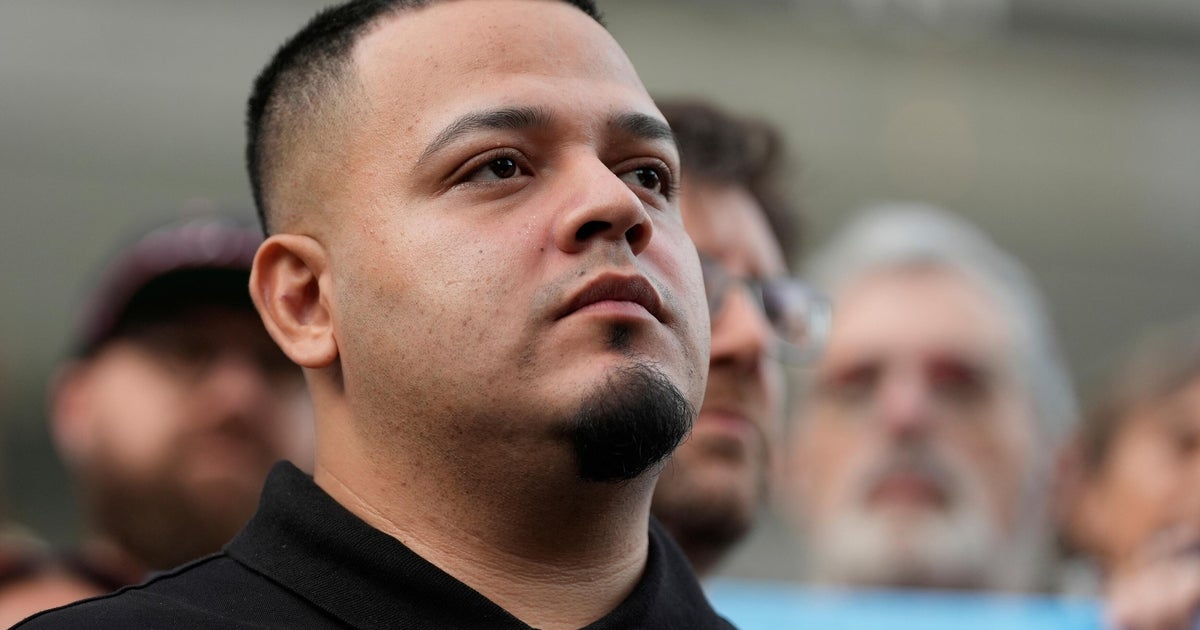

The Controversial Case of Kilmar Abrego Garcia: A Fight Against Deportation
Background of a Complex Legal Battle
The case of Kilmar Abrego Garcia has become a lightning rod in the ongoing debate about immigration enforcement under the Trump administration. Abrego Garcia, a Salvadoran national who had made his life in Maryland with his family, finds himself at the center of a legal storm that spans multiple countries, allegations of gang membership, criminal charges, and questions about governmental overreach. His story is not just about one man’s fight against deportation—it represents the broader struggles faced by many immigrants caught in the crosshairs of aggressive enforcement policies and the complexities of the American legal system. What makes his case particularly striking is the series of events that have unfolded: a mistaken deportation, allegations he vehemently denies, and what his legal team describes as retaliatory prosecution.
The Journey from Maryland to the Brink of Deportation
Living quietly in Maryland with his family, Abrego Garcia’s life took a dramatic turn in March 2025 when he was mistakenly deported to El Salvador. The Trump administration had labeled him as a member of MS-13, one of the most notorious gangs operating in Central America and the United States—a claim that Abrego Garcia has consistently and firmly denied. The situation became even more alarming when he faced the possibility of being imprisoned at CECOT, El Salvador’s infamous mega-prison known for its harsh conditions and its population of gang members. This threat carried particular weight given that a judge had issued an order back in 2019 specifically blocking his deportation to El Salvador on the grounds that he would face serious harm from local gangs. The fact that he was deported despite this protective order raises serious questions about how thoroughly immigration authorities reviewed his case before taking action.
The Plot Thickens: Criminal Charges and Allegations of Retaliation
Abrego Garcia was eventually brought back to the United States last summer, but not for the reasons his family might have hoped. Instead of being returned because authorities recognized their error, he was brought back to face criminal charges related to human smuggling. The government alleges that he was involved in transporting immigrants into the United States illegally—serious charges that he has pleaded not guilty to. However, his attorneys have presented a compelling alternative narrative: they argue that these charges are vindictive in nature, filed in retaliation for a civil lawsuit that Abrego Garcia had successfully brought against the Trump administration. This lawsuit challenged his removal from the country, and according to his legal team, the criminal charges that followed were the government’s way of punishing him for daring to fight back legally. This raises troubling questions about whether prosecutorial power is being used as a tool of immigration enforcement rather than as a means of ensuring justice.
The Current Legal Standoff and Plans for Deportation to Liberia
In a surprising twist, the Trump administration is now seeking to deport Abrego Garcia not to his home country of El Salvador, but to Liberia, a West African nation with which he has no apparent connection. In a motion filed on Friday, the Department of Homeland Security stated that they are ready to carry out this deportation and requested that U.S. District Court Judge Paula Xinis dissolve her order that currently blocks it from happening. According to the administration’s legal filings, Xinis’s order is the only thing standing between Abrego Garcia and a plane to Liberia. The government has indicated that Liberia’s government has agreed to accept him and that Immigration and Customs Enforcement (ICE) could arrange a charter plane to transport him there in approximately five days. An ICE official stated in a declaration that the agency is “confident that Mr. Abrego Garcia’s removal would be imminent” if the judge’s protective order were lifted. The administration has asked Judge Xinis to rule on their motion by April 17, emphasizing their desire to remove Abrego Garcia from the United States “in an extremely expeditious manner.”
The Human Cost and Broader Implications
Behind the legal jargon and procedural motions lies a human story of a man separated from his family and facing exile to a country he has no ties to. Abrego Garcia’s case highlights the human cost of immigration enforcement policies that prioritize speed and removal numbers over careful consideration of individual circumstances. His family in Maryland has been living in uncertainty, not knowing whether their loved one will be sent thousands of miles away to a completely unfamiliar country. The proposed deportation to Liberia is particularly puzzling—why would a Salvadoran national be sent to West Africa rather than to his country of origin? This unusual aspect of the case raises questions about whether this is becoming a pattern in how the administration handles cases involving individuals who have legally challenged their deportations. For immigrant communities across the United States, cases like Abrego Garcia’s create a chilling effect, potentially discouraging others from exercising their legal rights for fear of retaliation.
What Happens Next: The Judge’s Decision and Its Consequences
Judge Paula Xinis now holds Abrego Garcia’s fate in her hands. She must decide whether to maintain her protective order or to dissolve it and allow the deportation to proceed. Her decision will need to balance multiple factors: the government’s claims about Abrego Garcia’s alleged gang ties and criminal conduct, his own denials and his attorney’s arguments about vindictive prosecution, the existing 2019 order that found he would face harm in El Salvador, and the unusual nature of deporting someone to a country with which they have no connection. The judge’s ruling will also have implications that extend far beyond this individual case. It will send a signal about judicial willingness to serve as a check on executive branch immigration enforcement, about whether courts will scrutinize claims of retaliatory prosecution, and about the protections available to immigrants who choose to fight their deportations through legal channels. As the April 17 deadline approaches, immigrant rights advocates, legal scholars, and communities across the country will be watching closely to see whether the judicial system provides meaningful protection or whether the administration’s drive for rapid deportations will prevail. For Kilmar Abrego Garcia and his family, the wait continues, their future hanging in the balance of a judicial decision that will determine whether he remains in America to fight his charges or is sent to a distant country to face an uncertain future.