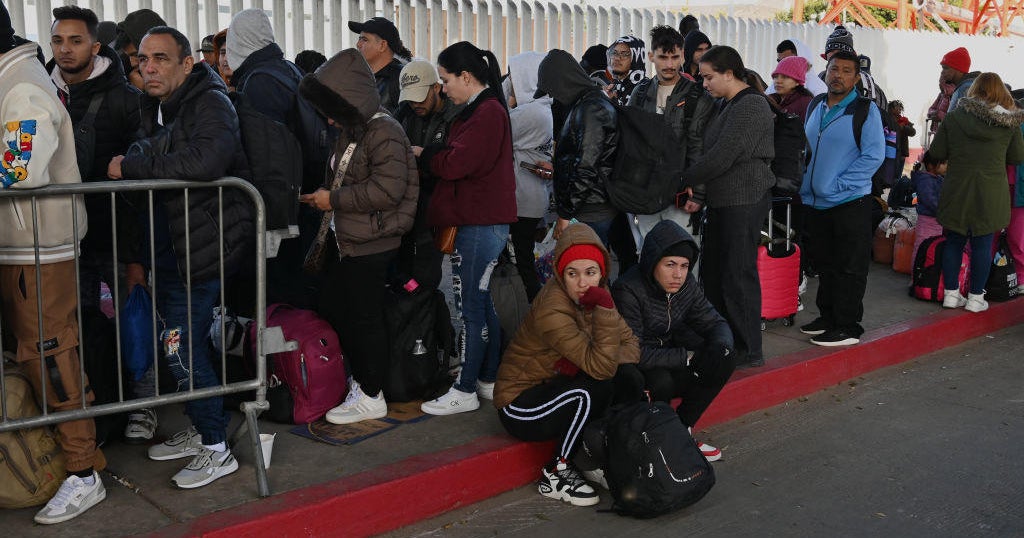

Trump Administration Proposes Sweeping Changes to Asylum Work Permits
A Dramatic Shift in Immigration Policy
The Trump administration has officially unveiled a proposed regulation that could fundamentally transform how asylum-seekers access work permits in the United States, confirming earlier reports about plans to overhaul a system that has been in place for more than three decades. Since the 1990s, American immigration law has provided a pathway for asylum applicants to obtain work authorization if their cases remained pending for at least 180 days. Under the current framework, asylum-seekers can typically apply for work permits 150 days after filing their initial claim, with approval coming approximately 30 days later. This system has allowed hundreds of thousands of people fleeing persecution to support themselves and their families while waiting for their cases to be decided. However, the new proposal would essentially freeze this process until the government can process asylum cases within an average of 180 days—a goal that appears virtually impossible given the current state of America’s immigration system. The regulation represents one of the most significant changes to asylum policy in recent memory and has sparked intense debate about the balance between border security and humanitarian obligations.
The Reality of an Indefinite Pause
The practical effect of this proposed regulation would likely be an indefinite suspension of work permits for asylum-seekers, a reality that the government itself acknowledges in the regulation’s text. The U.S. immigration system currently faces a staggering backlog of asylum applications, with U.S. Citizenship and Immigration Services overseeing more than 1.4 million pending cases as of the latest count. A federal watchdog report from 2024 painted a sobering picture of the system’s inefficiency: more than 77% of asylum applications before USCIS had been pending for longer than 180 days, and nearly 40% of applications remained unresolved after two full years. The proposed regulation itself contains a startling admission about the timeline for reaching the goal of processing cases within 180 days—without considering these new changes, officials estimate it could take anywhere from 14 to 173 years to achieve that benchmark. The regulation’s authors acknowledged that the pause on work permits could last for “many years,” essentially confirming that asylum-seekers arriving today could face an indefinite wait before being allowed to work legally in the United States.
Additional Restrictions and Requirements
Beyond creating what amounts to an indefinite pause, the proposed regulation introduces several additional restrictions that would make it significantly harder for asylum-seekers to obtain work authorization even after the backlog is cleared. The Department of Homeland Security proposal would increase the waiting period before asylum-seekers become eligible for work permits from the current 180 days to a full year—365 days after filing their asylum application. Perhaps most controversially, the regulation would disqualify migrants who crossed into the United States illegally from work permit eligibility entirely, with one narrow exception: those who inform immigration officials within 48 hours of entering the country that they are fleeing persecution. This requirement would be extremely difficult for many genuine asylum-seekers to meet, particularly those who cross the border in remote areas or who may not have immediate access to immigration officials. The proposed changes must now go through a 60-day public comment period, during which individuals and organizations can submit feedback supporting or opposing the regulation. After considering these comments, the administration would need to issue a final rule before any of these changes could take effect, though the timeline for that process remains unclear.
The Administration’s Rationale
Trump administration officials have framed these proposed changes as a necessary response to what they characterize as widespread abuse of the asylum system by economic migrants seeking work opportunities rather than protection from persecution. According to this view, the availability of work permits has created a “magnet” effect, encouraging people to file asylum claims primarily to gain legal work authorization and residence in the United States while their cases wind through the backlogged system—a process that typically takes years to complete. The asylum system was designed to provide permanent refuge to individuals who can demonstrate they face persecution in their home countries based on specific factors such as race, religion, nationality, political opinion, or membership in a particular social group. Government statistics show that many asylum applicants ultimately fail to meet the legal threshold required to win their cases, though success rates vary significantly based on factors including nationality, legal representation, and the particular immigration judge assigned to hear the case. “For too long, a fraudulent asylum claim has been an easy path to working in the United States, overwhelming our immigration system with meritless applications,” the Department of Homeland Security said in a statement released Friday. “We are proposing an overhaul of the asylum system to enforce the rules and reduce the backlog we inherited from the prior administration.”
Strong Opposition from Advocacy Groups
Immigration advocates and humanitarian organizations have condemned the proposed regulation in the strongest terms, arguing that it would inflict severe hardship on vulnerable people fleeing persecution while simultaneously damaging the American economy. Critics point out that preventing asylum-seekers from working legally would leave them unable to support themselves and their families, potentially forcing them into poverty or pushing them toward unauthorized employment in the underground economy. “This proposal would cause chaos in communities across the U.S. as over a million immigrant workers could fall out of the workforce despite having a pending immigration application,” said Conchita Cruz, co-executive director of the Asylum Seeker Advocacy Project, an organization that provides assistance to asylum-seekers navigating the complex immigration system. Advocates argue that the regulation would punish genuine refugees alongside any potential bad actors, creating an impossible situation for people who have fled violence, persecution, or other life-threatening circumstances. They also note that many asylum-seekers have already integrated into American communities, holding jobs, paying taxes, and contributing to the economy while waiting for their cases to be decided—and that removing over a million people from the workforce could have significant economic ripple effects.
Broader Context of Immigration Enforcement
This proposed regulation on asylum work permits fits into a broader pattern of increasingly restrictive immigration policies under the Trump administration, affecting not only undocumented immigrants but also those with legal status or pending applications. U.S. Citizenship and Immigration Services has implemented numerous changes that have tightened eligibility requirements and increased scrutiny across various immigration programs. In a particularly dramatic move late last year, the agency paused all asylum cases as well as immigration applications from individuals born in several dozen countries designated as “high-risk” following an incident in which an Afghan national allegedly shot two National Guard soldiers in Washington. This sweeping pause affected thousands of people with pending applications, many of whom had been waiting for years for resolution of their cases. The cumulative effect of these policies has created an atmosphere of uncertainty and fear within immigrant communities, even among those who entered the country legally or who are pursuing legitimate asylum claims. As the proposed work permit regulation moves through the public comment period, it will undoubtedly face legal challenges and intense political debate, reflecting the deeper divisions in American society about immigration policy, border security, and the country’s obligations to those fleeing persecution. The outcome of this regulatory process could reshape the American asylum system for decades to come, affecting hundreds of thousands of vulnerable people seeking safety and the communities that have welcomed them.