
Trump Announces Temporary Ceasefire with Iran Just Hours Before Strike Deadline
A Last-Minute Agreement to Prevent Military Escalation
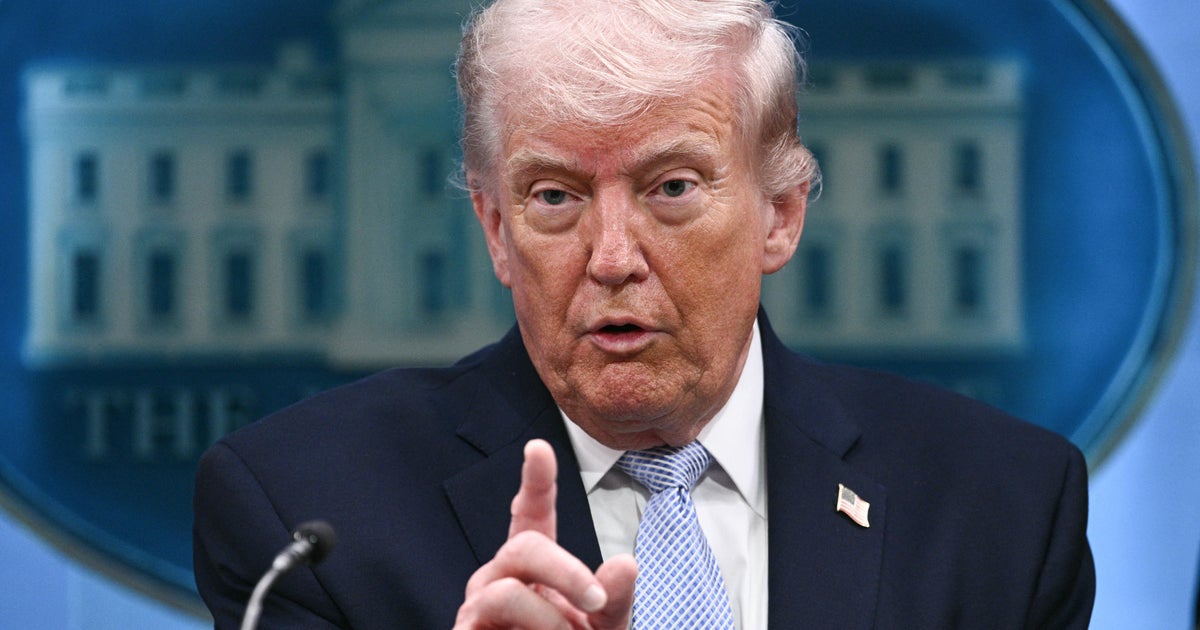
In a dramatic turn of events that unfolded late Tuesday evening, President Donald Trump announced that the United States had reached a temporary ceasefire agreement with Iran, averting what could have been a devastating military confrontation between the two nations. The announcement came less than two hours before an ultimatum deadline the president himself had set, which would have triggered massive American strikes on Iranian infrastructure, including power plants and bridges. Taking to his Truth Social platform, Trump declared his agreement to “suspend the bombing and attack of Iran for a period of two weeks,” marking a significant de-escalation in what had become an increasingly tense standoff that threatened to plunge the region into broader conflict.
The ceasefire arrangement, brokered with assistance from Pakistan, came with specific conditions that Iran must meet. According to the president’s statement, the temporary halt in military operations is contingent upon Iran’s agreement to the “complete, immediate, and safe opening of the Strait of Hormuz.” This narrow waterway holds tremendous strategic and economic importance, serving as a vital passage through which approximately one-fifth of the world’s oil supply travels. The closure or disruption of this strait has severe implications not just for regional stability but for the global economy as a whole. By making the reopening of this waterway the centerpiece of the ceasefire terms, Trump signaled that ensuring the free flow of energy resources remained a top priority for American interests in the region.
The Buildup to the Brink of War
The path to Tuesday’s agreement had been paved with increasingly aggressive rhetoric and escalating threats from the Trump administration. Over the preceding weekend, the president had issued stark demands to Iran, insisting that the Islamic Republic reach an “acceptable” deal with the United States and immediately reopen the Strait of Hormuz. He set a hard deadline of 8 p.m. Eastern Time on Tuesday for compliance, threatening that failure to meet American demands would result in military action targeting Iran’s critical infrastructure. The president’s language had grown progressively more severe as the deadline approached, reflecting either genuine preparation for military action or a calculated strategy to maximize pressure on Iranian leadership to return to the negotiating table.
The intensity of Trump’s warnings reached a particularly alarming level in the hours leading up to the ceasefire announcement. Earlier on Tuesday, in what would become one of his most provocative statements regarding the crisis, the president wrote on Truth Social: “A whole civilization will die tonight, never to be brought back again.” This apocalyptic language suggested the administration was prepared to launch strikes of unprecedented scope and severity, going far beyond typical military operations to potentially devastate Iran’s fundamental infrastructure and capabilities. Whether this extreme rhetoric represented actual military planning or strategic brinkmanship designed to extract maximum concessions from Iran remains a subject of debate, but it undeniably created an atmosphere of urgent crisis that galvanized diplomatic efforts from multiple parties seeking to prevent catastrophe.
Behind-the-Scenes Diplomatic Scramble
The ceasefire that emerged on Tuesday night was the product of intense diplomatic activity involving not just the United States and Iran, but also third-party mediators who worked frantically to prevent a military confrontation. Pakistan played a particularly crucial role in these negotiations, with Trump specifically acknowledging that he agreed to the ceasefire at Pakistan’s request. This highlights the important function that regional powers can serve in de-escalating tensions between major adversaries, using their relationships and channels of communication to facilitate dialogue when direct talks prove difficult or impossible. The involvement of countries like Pakistan also reflects the broader regional concerns about a potential U.S.-Iran conflict, which would inevitably have destabilizing effects far beyond the two primary antagonists.
According to Trump’s announcement, the diplomatic process had made significant progress, with the president claiming that the United States was “very far along” in reaching a “definitive Agreement concerning Longterm PEACE with Iran.” This suggested that behind the public threats and dramatic deadlines, substantive negotiations had been taking place regarding fundamental issues in the U.S.-Iran relationship. The president indicated that Iran had submitted a 10-point peace plan to American negotiators, which he characterized as “a workable basis on which to negotiate.” This represented a notable shift from just a day earlier, when Iran had rejected a 15-point proposal that the United States had put forward. The rapid evolution from rejection to counter-proposal demonstrated that despite the heated public rhetoric, both sides retained channels of communication and showed willingness to engage in serious diplomacy when faced with the alternative of military conflict.
Terms and Conditions of the Temporary Agreement
While the ceasefire represents a significant step back from the precipice of war, it’s important to understand that this is explicitly a temporary arrangement rather than a comprehensive long-term settlement. The two-week timeframe that Trump announced serves as a cooling-off period during which more detailed negotiations can take place without the immediate threat of military action hanging over the proceedings. According to the president’s statement, the purpose of this period is to allow “the Agreement to be finalized and consummated,” suggesting that negotiators believe they have resolved the major points of contention but need additional time to work through remaining details and formalize commitments from both sides.
Trump’s message indicated that “almost all of the various points of past contention have been agreed to between the United States and Iran,” painting a picture of substantial progress toward a broader understanding. However, the conditional nature of the ceasefire—specifically tied to Iran’s opening of the Strait of Hormuz—means that the agreement remains fragile and could collapse if either side fails to meet its commitments or if the promised “complete, immediate, and safe opening” of the strategic waterway doesn’t materialize as expected. The arrangement represents what diplomats often call a “double sided” agreement, meaning both parties have obligations and restraints: the United States commits to suspending military operations while Iran must ensure the free passage of shipping through the strait. This mutual structure creates interdependence that can either foster trust and further negotiation or, if violated, could lead to an even more severe breakdown in relations.
Global Implications and What Comes Next
The announcement of this ceasefire has enormous implications not just for U.S.-Iran relations but for global energy markets, regional stability in the Middle East, and the broader international order. The threat of American military strikes on Iranian infrastructure had sent shockwaves through oil markets and raised concerns among allies and adversaries alike about the potential for a wider regional conflict. The temporary de-escalation provides relief to global markets and creates space for diplomatic solutions, but the underlying tensions that brought the situation to this crisis point remain unresolved. The next two weeks will be critical in determining whether this ceasefire represents a genuine turning point toward lasting peace or merely a temporary pause before renewed confrontation.
For the Trump administration, the ceasefire allows the president to claim success in forcing Iran back to the negotiating table through his maximum pressure approach, while also avoiding the risks and uncertainties that would come with actually launching military strikes. For Iran, the agreement provides breathing room and an opportunity to negotiate from a position of having stood up to American threats rather than capitulating entirely. The involvement of mediators like Pakistan and the willingness of both sides to exchange proposals suggests that despite decades of hostility, pragmatic interests in avoiding catastrophic conflict can still prevail. As this breaking story continues to develop, the world will be watching closely to see whether the next two weeks produce the comprehensive long-term peace agreement that President Trump referenced, or whether this proves to be merely a temporary reprieve in an ongoing cycle of confrontation between these two longtime adversaries. The stakes could hardly be higher—not just for Americans and Iranians, but for global stability and prosperity in an interconnected world where conflict in one region inevitably reverberates far beyond its borders.