
The Potomac River Sewage Crisis: A Political Blame Game Unfolds
A Historic Environmental Disaster Sparks Finger-Pointing
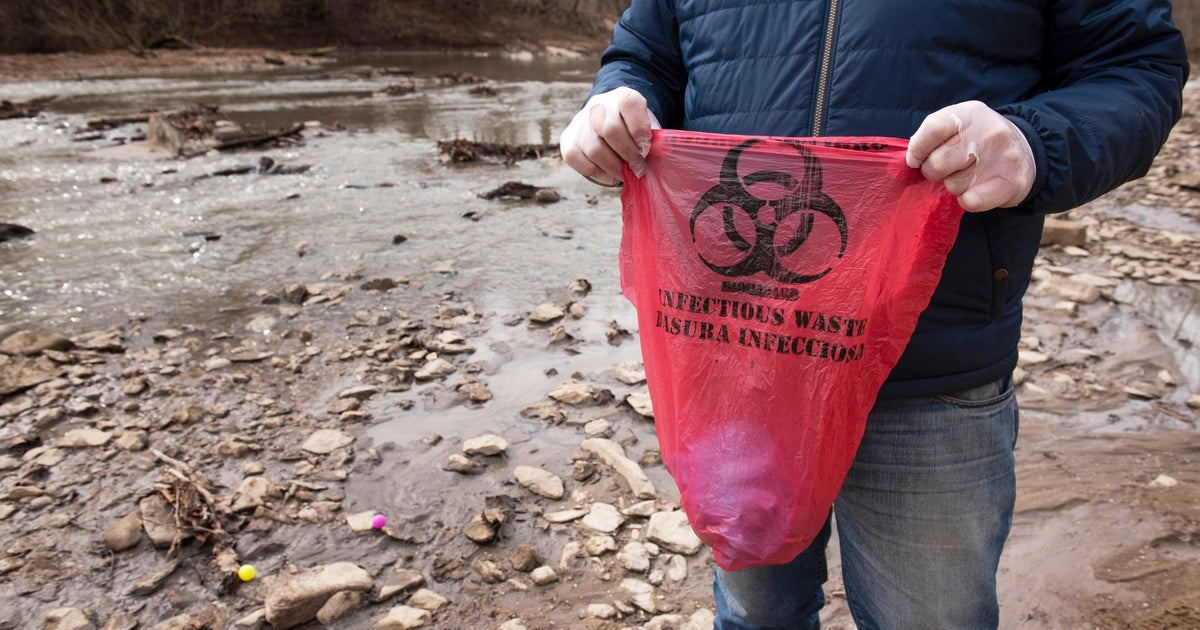
The nation’s capital region is grappling with what may be the largest sewage spill in American history, and instead of unified action, we’re witnessing an escalating war of words between President Trump and local Democratic leaders. The crisis began in mid-January when a section of the 60-year-old Potomac Interceptor sewer line collapsed in Montgomery County, Maryland, unleashing more than 200 million gallons of raw wastewater into the historic Potomac River. While DC Water, the public utility responsible for the District’s water and sewage systems, has been working frantically to divert the flow and sanitize the contaminated water, the damage has already been done. The beloved Potomac River, which has long served as both a natural landmark and recreational resource for the Washington metropolitan area, is now severely tainted with dangerous levels of E. coli and other harmful bacteria, posing serious health risks to anyone who comes into contact with the water.
The President’s Conditional Offer of Help
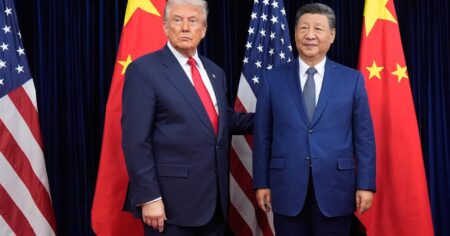
President Trump’s response to this environmental catastrophe has been anything but straightforward, adding a layer of political theater to an already dire situation. In a series of posts on Truth Social, the president has oscillated between promising federal assistance and making that help conditional on local leaders asking “politely” for it. On Monday, he suggested he would direct federal authorities to “immediately provide all necessary management, direction and coordination” to protect the Potomac. However, by Tuesday, his tone had shifted dramatically. He declared that Maryland, Virginia, and Washington, D.C. were responsible for the “massive sewage spill” and stated that if they couldn’t fix it themselves, “they have to call me and ask, politely, to get it fixed.” The president went further, claiming that “the federal government is not at all involved with what has taken place, but we can fix it.” This conditional approach to disaster response has raised eyebrows among those who believe environmental emergencies should transcend political gamesmanship and petty grievances.
Political Attacks Overshadow Environmental Concerns
Rather than focusing solely on the environmental and public health implications of the spill, President Trump has turned the crisis into an opportunity to attack his political opponents. In his Tuesday Truth Social post, he characterized the incident as a “Radical Left caused Environmental Hazard,” dripping with sarcasm about progressive environmental policies. “With all of their talk about carbon footprints and everything else, they’re allowing hundreds of tons of sewage to pour into the Mighty Potomac, making it much less mighty. ACT FAST. I am awaiting your call,” he wrote. The president placed particular blame on Maryland Governor Wes Moore and other Democratic officials in the state. He went on to call Moore “foul mouthed,” criticized his performance as governor, and even accused him of lying about receiving a military medal. This pattern of personal attacks has become characteristic of the president’s approach to dealing with Democratic governors, particularly those he views as political adversaries. The situation has been further complicated by the ongoing funding lapse for the Department of Homeland Security, which oversees FEMA—the agency that would typically coordinate federal response to such disasters.
Governor Moore Fires Back With Historical Facts
Governor Wes Moore didn’t back down from the president’s accusations, instead coming out swinging with what he claimed were the actual facts about responsibility for the aging infrastructure. “I know this is breaking news to everyone, but the president is not telling the truth,” Moore told reporters in Maryland, his frustration evident. He explained that the Piedmont sewage project and the infrastructure in question haven’t been under federal government responsibility for just the past year or decade—but for the past century. Moore pointed out that Maryland Department of the Environment workers were actually among the first responders to the spill, immediately testing water quality and sewage levels. He also revealed that the EPA had declined to join a congressional briefing that Maryland officials had invited the agency to attend, suggesting federal disengagement from the crisis. With a hint of sarcasm matching the president’s own, Moore added: “Now that it is essentially 99% contained, I love the fact that the president of the United States is finally realizing that this was his job, and he hasn’t been doing it for the past month. So I say, ‘Listen, we’d welcome you to help to address the remaining 1% that hasn’t been complete while we’ve been doing your job.'”
A Relationship Already on the Rocks
This sewage crisis clash comes against the backdrop of an already contentious relationship between President Trump and Governor Moore. The Maryland governor is one of two Democrats whom the president deemed “not worthy” to be invited to the annual White House meeting and dinner with governors from both parties this week—a highly unusual snub that breaks with traditional protocol for such events. Moore discussed this slight during a CBS News “Things That Matter” town hall that aired Sunday night, but rather than expressing disappointment, he shrugged it off with characteristic defiance. “If the point of the meeting is to turn it into name-calling … I will not go,” Moore stated matter-of-factly. When the president later took to social media to attack him, Moore called the post “full of lies” and “unhinged.” In his conversation with CBS News, Moore made his position crystal clear: “I will work with anyone. But I will bow down to no one. And I think the president has a problem with that.” This stance has positioned Moore as one of the more outspoken Democratic governors willing to publicly challenge the president, even as he maintains his willingness to collaborate on issues that matter to Maryland residents.
The Complex Reality of Infrastructure Responsibility
Behind all the political posturing lies a complex web of jurisdictional responsibility that illustrates the challenges of governing a metropolitan area that spans multiple states and the nation’s capital. According to DC Water and historical records, the Potomac Interceptor was built following a 1960 congressional law that authorized the District of Columbia to construct, operate, and maintain a sewer line connecting Dulles Airport to the Washington, D.C. sewer system. The damaged portion of the sewage infrastructure is owned and operated by DC Water, while the actual location of the break falls within Montgomery County, Maryland’s boundaries. The Virginia Department of Environmental Quality confirmed these details to CBS News, highlighting how infrastructure that serves multiple jurisdictions can create confusion about accountability when things go wrong. DC Water is overseen by the Environmental Protection Agency, adding another layer of federal involvement despite the president’s claims otherwise. This tangled governance structure—involving federal, state, and local authorities across three different jurisdictions—makes assigning blame far more complicated than either the president or Governor Moore might suggest in their heated exchanges. What’s clear is that the 60-year-old infrastructure was overdue for upgrades, and now residents of the Washington metropolitan area are paying the price. The real question moving forward shouldn’t be who to blame for past negligence, but rather how federal, state, and local governments can work together to not only fix this immediate crisis but also prevent future infrastructure failures that could lead to similar environmental disasters. Unfortunately, in today’s polarized political climate, cooperation seems to take a backseat to finger-pointing, even when public health and the environment hang in the balance.