

President Trump Votes by Mail Despite Years of Criticizing the Practice
The Contradiction Between Words and Actions
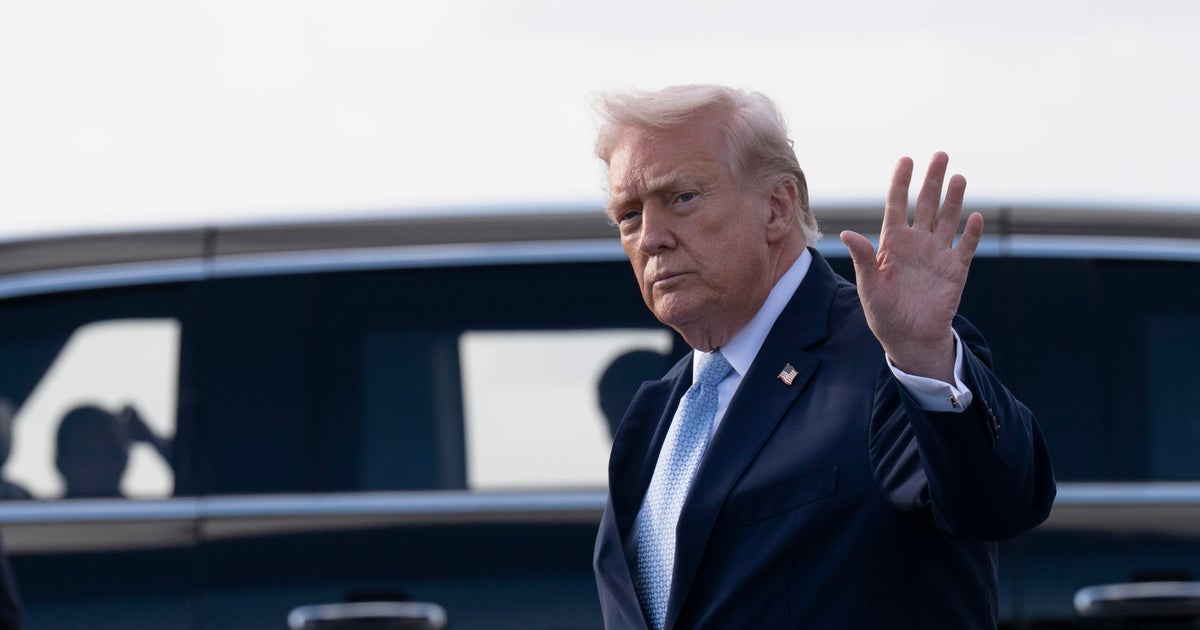
In a move that has raised eyebrows across the political spectrum, President Donald Trump recently cast his vote by mail in Florida’s special election, despite having spent years condemning the practice as inherently fraudulent. Public records from the Palm Beach County Supervisor of Elections reveal that the president participated in Tuesday’s special election for Florida’s 87th district statehouse seat through mail-in voting—the very method he has repeatedly characterized as “cheating.” This revelation has sparked fresh debate about the consistency between the president’s public rhetoric and his private actions when it comes to how Americans exercise their right to vote.
The documented timeline of events paints a clear picture of the president’s participation in mail-in voting. According to county election records, Trump requested his mail-in ballot on Saturday, March 14th. The ballot was promptly received by his residence the following day, and his completed vote was subsequently submitted and counted in time for Tuesday’s election. What makes this particularly noteworthy is that the president was actually at his Palm Beach estate that same weekend, a time when early in-person voting was readily available to him. In other words, he had the option to vote in person—a method he consistently promotes as more secure—but chose instead to use the mail-in system he publicly denounces. The president had endorsed Republican candidate Jon Maples in this particular race, making his participation and the method he chose all the more significant given his vocal stance on the issue.
A Pattern of Mail-in Voting Despite Public Opposition
This isn’t the first time President Trump has utilized mail-in voting while simultaneously criticizing it. Previous reporting indicates that this practice has been consistent with his voting behavior. Although Florida’s public records system only displays votes cast within the last 365 days, CBS News had previously documented that Mr. Trump requested a mail-in ballot in 2020 as well. This pattern reveals a disconnect between the president’s personal voting preferences and his public policy positions. The president clearly finds mail-in voting convenient and accessible for his own needs, yet he continues to advocate for severe restrictions on this voting method for the general public. This contradiction has not gone unnoticed by political observers, voting rights advocates, and citizens who wonder why the president considers a method safe enough for himself but dangerous for everyone else.
The President’s Long Campaign Against Mail-in Voting
President Trump’s opposition to mail-in voting has been both vocal and persistent over the years. He has made numerous claims, presented without supporting evidence, that the method is riddled with fraud and compromises election integrity. His rhetoric on this issue has been particularly forceful, with the president going so far as to suggest that mail-in voting should be completely banned. In one notable example from August, Trump took to his Truth Social platform to declare his intentions in characteristically bold terms: “I am going to lead a movement to get rid of MAIL-IN BALLOTS… ELECTIONS CAN NEVER BE HONEST WITH MAIL IN BALLOTS/VOTING, and everybody, IN PARTICULAR THE DEMOCRATS, KNOWS THIS. I, AND THE REPUBLICAN PARTY, WILL FIGHT LIKE HELL TO BRING HONESTY AND INTEGRITY BACK TO OUR ELECTIONS.” This statement, written in his signature all-caps style, represents just one of many instances where the president has characterized mail-in voting as fundamentally incompatible with fair elections.
Just last week, barely seven days after casting his own mail-in ballot in Florida, President Trump reinforced this message during an anti-crime meeting held in Memphis, Tennessee. Standing before attendees on Monday, he declared without apparent irony, “Mail-in voting means mail-in cheating. I call it mail-in cheating, and we got to do something about it all.” The proximity of this statement to his own use of mail-in voting has struck many observers as particularly hypocritical. The president’s ability to denounce a practice within days of personally engaging in it demonstrates either a remarkable lack of self-awareness or a calculated strategy to restrict voting access for others while maintaining convenience for himself and his supporters.
Legislative Efforts to Restrict Voting Access
Beyond rhetoric, President Trump is actively pushing for legislative changes that would make voting by mail more difficult for millions of Americans. He is currently urging Congress to pass the SAVE America Act, a piece of legislation that would implement additional voter identification requirements and significantly limit mail-in voting options. Supporters of the bill argue that such measures are necessary to ensure election security and prevent fraud, while critics contend that these restrictions would disproportionately affect elderly voters, people with disabilities, rural residents, and working Americans who find it difficult to vote in person on a single designated day. The debate over this legislation has become yet another flashpoint in the ongoing national conversation about voting rights, access, and security in American democracy.
The president’s sustained focus on mail-in voting can be traced back to his loss to Joe Biden in the 2020 presidential election. Trump has consistently blamed expanded mail-in voting for that defeat, despite never producing credible evidence of widespread fraud that would have changed the outcome. Interestingly, when Trump won the 2024 election, many of the same mail-in voting rules that he claimed were fraudulent in 2020 were still in place, raising questions about the consistency of his arguments. This selective criticism—condemning mail-in voting when he loses but accepting results when he wins—has led many political analysts to conclude that the president’s real concern isn’t about election security at all, but rather about the political implications of making voting more accessible to all Americans.
The Broader Implications for American Democracy
The revelation that President Trump regularly votes by mail while campaigning to restrict that same right for others raises profound questions about leadership, integrity, and the future of American democracy. When political leaders advocate for rules that they themselves don’t follow, it erodes public trust in both the leaders and the institutions they represent. Voting is the cornerstone of democratic participation, and efforts to make it more difficult—especially when those efforts come from someone who personally benefits from the convenience he seeks to deny others—deserve serious scrutiny from citizens across the political spectrum. The hypocrisy on display undermines the president’s stated concerns about election integrity and suggests that his real motivation may be to shape the electorate in ways that favor his political interests rather than to protect the democratic process. As this story continues to develop and as Congress considers legislation that would restrict mail-in voting, Americans would do well to consider whether such restrictions are truly about security or about controlling who finds it easy to participate in our democracy. The gap between what President Trump does in private and what he advocates in public tells us something important about the nature of these proposed restrictions and whose interests they truly serve.