
Trump’s Nuclear Standoff with Iran: A High-Stakes Diplomatic Gamble
The President’s Ultimatum and the Path Forward
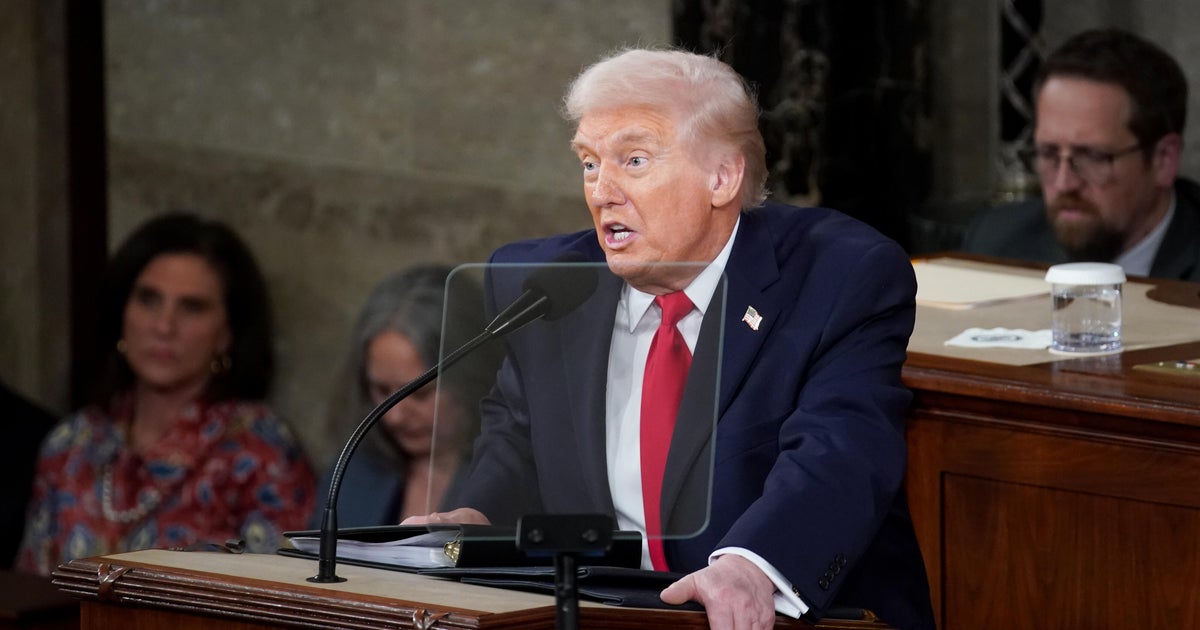
During his State of the Union address on Tuesday night, President Trump delivered a forceful message to Iran, making it clear that while he prefers diplomatic solutions, he will not tolerate the Islamic Republic developing nuclear weapons. Speaking before Congress and the American people, Trump characterized Iran as “the world’s number one sponsor of terror, which they are by far,” and emphasized his unwavering commitment to preventing the country from obtaining nuclear capabilities. The president’s words carried particular weight given the current moment of uncertainty, as the United States weighs military options while simultaneously engaging in indirect negotiations with Tehran. When pressed by CBS News chief Washington analyst Robert Costa about his intentions just before the address, Trump remained cryptic, saying only “we’ll find out” regarding how he plans to move forward. This statement has left both allies and adversaries uncertain about whether the president is prepared to authorize military strikes against Iranian nuclear facilities or if his rhetoric is designed to strengthen America’s negotiating position at the bargaining table.
Military Preparations and Strategic Calculations
The Trump administration’s approach to Iran involves more than just words—it includes a significant show of military force in the Middle East. A substantial fleet of U.S. naval vessels has been deployed to the region, sending an unmistakable signal about American capabilities and intentions. According to previous CBS News reporting, President Trump has been actively consulting with his advisers, requesting options for potential military strikes that would be substantial enough to force Iranian leadership back to the negotiating table under terms more favorable to the United States. However, military planners have cautioned the president that while such strikes could inflict considerable damage on Iran’s nuclear infrastructure, there are no guarantees that military action would produce the desired diplomatic outcome. The complexities of such an operation are manifold—there are risks of regional escalation, potential retaliation against U.S. forces or allies in the Middle East, and the possibility that strikes might delay but not permanently stop Iran’s nuclear ambitions. These considerations have created a delicate balance as the administration weighs the potential benefits of military action against the substantial risks involved in opening a new front of conflict in an already volatile region.
Reflecting on Past Actions and Current Concerns
In his State of the Union speech, President Trump drew attention to previous American military actions against Iran, specifically praising the strikes conducted last summer against three Iranian nuclear sites. The president portrayed these operations as successful, claiming they had significantly set back Iran’s nuclear program. However, he also expressed frustration that Iranian officials are now “pursuing their sinister ambitions” once again, suggesting that the country is working to rebuild or continue its nuclear activities despite the previous American attacks. “We wiped it out, and they want to start all over again,” Trump stated, conveying his disappointment that the earlier strikes had not produced a permanent resolution to the nuclear issue. This pattern—of temporary setbacks followed by renewed Iranian nuclear activity—has been a persistent challenge throughout multiple American administrations. It highlights the fundamental difficulty of using military force to permanently eliminate nuclear programs, particularly when the targeted country remains committed to pursuing such capabilities and possesses the technical knowledge and resources to rebuild damaged facilities over time.
The Crucial Words That Remain Unspoken
At the heart of the current standoff is what President Trump described as a need to hear “secret words” from Iran—a clear and unequivocal commitment that the country will never develop nuclear weapons. During his address, Trump suggested that while Iran has expressed interest in reaching some form of agreement, the commitment he seeks has not been forthcoming. “They want to make a deal, but we haven’t heard those secret words: ‘We will never have a nuclear weapon,'” the president explained, indicating that such a declaration is his minimum requirement for any diplomatic settlement. This demand places the spotlight on one of the fundamental disagreements that has plagued negotiations between Iran and Western powers for years. The Trump administration is seeking categorical assurances about Iran’s long-term nuclear intentions, while Iranian leaders have historically been reluctant to accept constraints they view as infringing on their sovereign rights. The question of what specific commitments Iran would need to make—and whether those commitments would be verifiable and enforceable—remains central to whether diplomacy can succeed where military pressure has fallen short.
Iran’s Position and the Enrichment Dilemma
Iran has consistently maintained, including in statements made just hours before Trump’s State of the Union address, that it has no intention of building nuclear weapons. Iranian Foreign Minister Abbas Araghchi reinforced this position on Tuesday when he wrote on social media platform X that “Iran will under no circumstances ever develop a nuclear weapon.” Iranian officials have long argued that their nuclear program is entirely peaceful, focused on energy production and medical applications rather than weapons development. However, this public stance is complicated by Iran’s actions regarding uranium enrichment. While Iran asserts its right under international law to enrich uranium for peaceful purposes, the country has in recent years enriched uranium to levels far exceeding what would be necessary for civilian applications. High levels of uranium enrichment bring a country much closer to weapons capability, even if the enriched material isn’t immediately weaponized. This gap between Iran’s stated intentions and its actual enrichment activities is precisely what fuels Western skepticism and drives concerns that Tehran may be positioning itself to develop nuclear weapons quickly if it chooses to do so. The enrichment issue represents one of the most technically complex aspects of any potential agreement, as negotiators would need to establish acceptable limits on enrichment levels and stockpiles while providing Iran with enough nuclear capacity to satisfy its claims of peaceful use.
The Uncertain Road Ahead
As President Trump navigates this high-stakes situation, the path forward remains unclear. The administration finds itself balancing competing pressures and considerations—the desire to prevent Iran from obtaining nuclear weapons, the preference for a diplomatic solution, the willingness to use military force if necessary, and the substantial risks that military action would entail. The deployment of naval assets to the Middle East suggests that the military option is genuinely being considered, not merely used as a negotiating tactic, yet the president’s emphasis on his preference for diplomacy indicates that the door to negotiations remains open. The coming weeks and months will likely prove critical in determining which path the administration ultimately chooses. If indirect talks between the U.S. and Iran show progress, particularly if Iranian officials provide the kind of unequivocal commitment Trump has demanded, a diplomatic resolution might be achievable. Conversely, if negotiations stall or if intelligence suggests Iran is making rapid progress toward weapons capability, the pressure for military action may become irresistible. What remains certain is that the nuclear standoff with Iran represents one of the most consequential foreign policy challenges facing the Trump administration, with implications not just for Middle Eastern stability but for global nonproliferation efforts and America’s relationships with allies and adversaries around the world.