
Trump Administration Pivots to New Legal Framework for Global Tariffs After Supreme Court Setback
A Swift Recovery: New Tariffs Announced Hours After Court Ruling
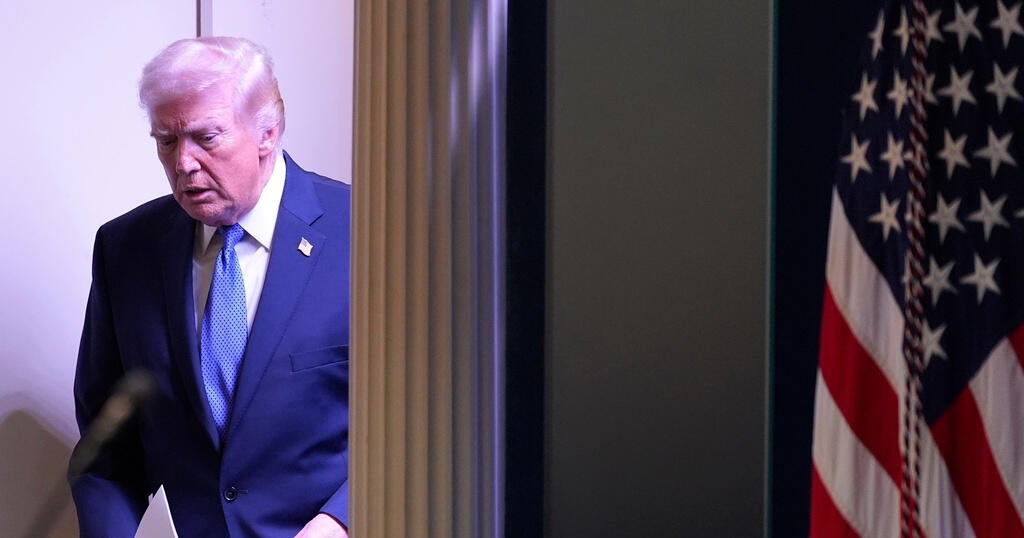
In a dramatic turn of events that underscores the volatile nature of current U.S. trade policy, President Trump moved quickly Friday evening to implement a new 10% tariff on most foreign imports, just hours after the Supreme Court dealt a significant blow to his previous tariff strategy. The president proudly announced the measure on Truth Social, calling it a “Great Honor” to sign the proclamation from the Oval Office. This rapid response demonstrates the administration’s determination to maintain its protectionist trade agenda despite facing legal obstacles from the nation’s highest court. The new tariffs are scheduled to take effect Monday and will remain in place for 150 days, giving the administration a window to negotiate new trade arrangements or find more permanent solutions to what it views as unfair trade imbalances. The speed with which the administration pivoted to this alternative legal framework caught many observers by surprise and suggests extensive contingency planning had been underway in anticipation of the Supreme Court’s ruling.
Understanding the Legal Shuffle: From IEEPA to Section 122
The legal maneuvering behind these tariffs tells an important story about the limits of presidential power and the creative ways administrations work within those constraints. Originally, most of Trump’s tariff regime relied on the International Emergency Economic Powers Act, or IEEPA, a law that grants the president broad authority during national emergencies. However, the Supreme Court ruled Friday that this particular statute cannot be used as a basis for imposing tariffs, effectively pulling the legal rug out from under much of the administration’s trade policy. Rather than accepting defeat, the Trump team immediately shifted to a different legal foundation: Section 122 of the Trade Act of 1974. This provision allows presidents to impose duties of up to 15% for a limited period of 150 days specifically to address “large and serious” balance-of-payment issues—situations where a country is spending significantly more on imports than it earns from exports. While this gives the administration the authority it needs to continue its tariff policy in the short term, the 150-day limitation means this can only be a temporary solution, putting pressure on negotiators to secure more lasting trade agreements or find yet another legal justification for the tariffs.
What’s Taxed and What’s Not: Understanding the Exemptions
The new tariff structure isn’t a simple blanket tax on everything coming into the United States. According to the White House fact sheet, several categories of foreign goods have been exempted from the 10% duties, reflecting both practical economic considerations and existing trade commitments. Certain food imports won’t face the new tariffs, which makes sense given concerns about grocery prices that already weigh heavily on American families. Critical minerals—materials essential for manufacturing, defense, and emerging technologies—are also exempt, recognizing that the United States depends on foreign sources for many of these strategic materials. Electronics and automobiles have likewise been carved out from the tariff regime, likely due to the complex global supply chains that make these products and the potential for significant price increases if tariffs were applied. Perhaps most significantly, goods from Canada and Mexico that fall under the 2018 trade agreement (the United States-Mexico-Canada Agreement, or USMCA) aren’t subject to these new tariffs. This exemption honors existing treaty obligations and recognizes the deeply integrated nature of North American manufacturing, particularly in industries like automotive production where parts might cross borders multiple times during the manufacturing process.
The Economic Philosophy Behind the Tariffs: Manufacturing Revival or Consumer Tax?
At the heart of this tariff policy lies a fundamental disagreement about how international trade affects the American economy. President Trump and his advisors argue that blanket tariffs are necessary tools to address trade deficits—the gap between what America imports and what it exports—and to revive American manufacturing that has declined over recent decades. In this view, tariffs level the playing field for American workers and manufacturers who compete against foreign producers that may benefit from lower wages, fewer regulations, or government subsidies. The administration sees these measures as correcting unfair trade practices and bringing manufacturing jobs back to American soil. However, many economists offer a starkly different assessment of how tariffs actually function. They point out that tariffs are essentially taxes on imported goods, and in practice, these costs are largely passed along to American consumers in the form of higher prices. When a tariff is placed on imported steel, for example, it’s not foreign steel producers who pay the tax—it’s American companies that buy that steel and, ultimately, American consumers who purchase products made from it. Critics argue that while tariffs might protect certain industries, they do so at the expense of everyone who buys products containing imported materials or components, effectively functioning as a regressive tax that hits lower-income families hardest since they spend a larger portion of their income on goods.
The Uncertain Future of Existing Trade Deals
The Supreme Court’s invalidation of IEEPA as a legal basis for tariffs doesn’t just affect the new 10% baseline tariff—it also throws into question the entire complex architecture of trade agreements and differentiated tariff rates that had been negotiated over recent months. Under Trump’s previous tariff regime, many trading partners faced rates significantly higher than 10%, including so-called “reciprocal” tariffs aimed at matching what the administration claimed other countries charge on American goods, and elevated levies on products from China, Canada, and Mexico linked to concerns about drug trafficking. Some countries had successfully negotiated reduced rates as part of broader trade agreements. Now, with the legal foundation for those measures invalidated, the status of these varied arrangements is murky at best. When reporters asked President Trump whether his previously negotiated trade deals still stand, his answer was characteristically ambiguous: “Some of them stand. Many of them stand. Some of them won’t, and they’ll be replaced with the other tariffs.” This uncertainty creates a challenging environment for businesses trying to plan their supply chains and pricing strategies, as they don’t know which tariff rates will actually apply to their imports or for how long. It also leaves America’s trading partners in limbo, uncertain whether agreements they negotiated in good faith will be honored or whether they’ll need to return to the negotiating table under different terms.
Looking Ahead: Section 301 Investigations and the Road Forward
As the administration works to stabilize its trade policy on more solid legal ground, it’s already laying the groundwork for the next phase of its strategy. President Trump has directed the office of U.S. Trade Representative Jamieson Greer to open investigations under Section 301 of the Trade Act, examining what the White House characterizes as “certain unreasonable and discriminatory acts, policies, and practices that burden or restrict U.S. commerce.” This legal provision allows the government to impose tariffs and other countermeasures specifically designed to correct unfair trade practices, rather than relying on broader emergency powers or balance-of-payment justifications. These investigations could provide a more targeted and potentially more legally defensible basis for tariffs on specific products or from specific countries. However, this approach also represents a significant shift from the broad, sweeping tariffs the administration initially favored toward a more complex, differentiated system where different goods from different countries might face varying rates based on specific findings of unfair practices. The coming months will be critical as the 150-day clock ticks down on the Section 122 tariffs, businesses and trading partners seek clarity about the rules governing international trade, and the administration works to construct a tariff regime that can survive legal scrutiny while advancing its economic nationalist agenda. For ordinary Americans, the stakes are real and measurable: these policy decisions will directly affect the prices they pay for everything from groceries to electronics, the availability of jobs in their communities, and America’s economic relationships with the rest of the world for years to come.