
Presidential Criticism Sparks Controversy Over Olympic Athletes’ Political Commentary
When Patriotism Meets Personal Values
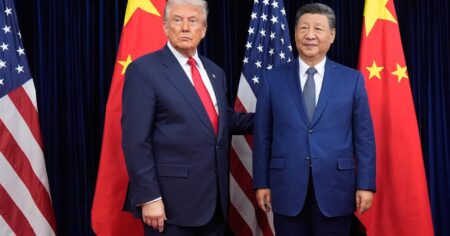
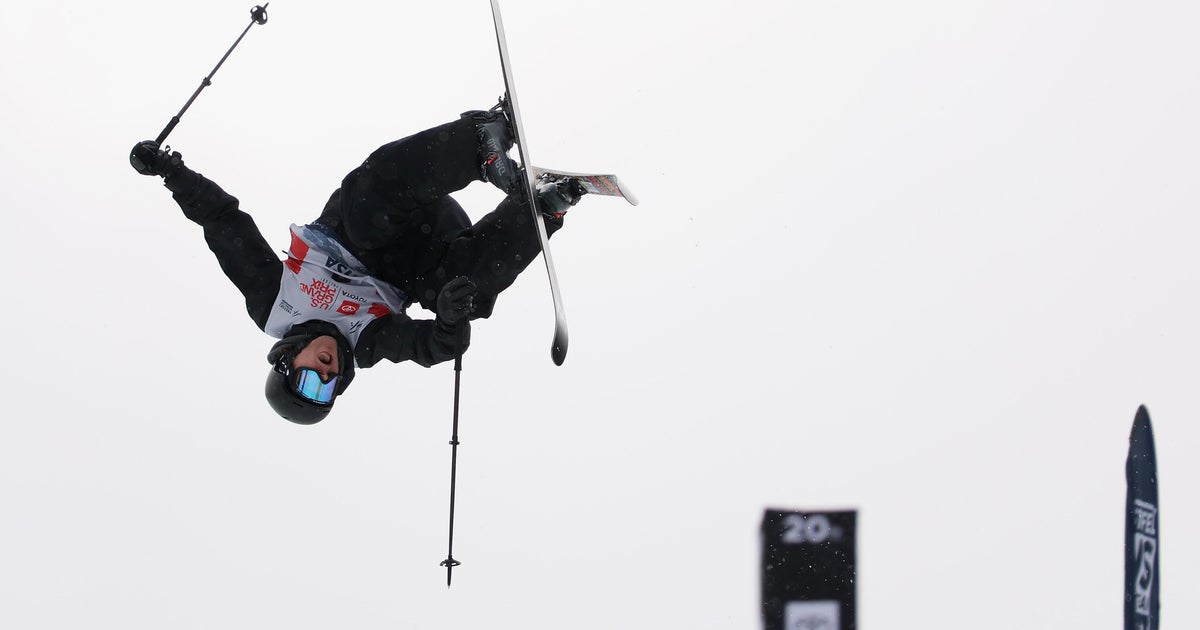
The 2026 Milano Cortina Winter Olympics have become an unexpected battleground for debates about patriotism, free speech, and what it truly means to represent America. President Trump ignited a firestorm of controversy when he publicly criticized U.S. freestyle skier Hunter Hess on social media, calling him “a real Loser” after the athlete expressed conflicted feelings about representing the United States during the current political climate. The President’s harsh words came in response to candid comments Hess made during a Wednesday press conference, where he acknowledged the complexity of his emotions about wearing the American flag while competing on the world stage. What followed was a cascade of criticism from conservative political figures, celebrities, and social media personalities, turning what should have been a celebration of athletic excellence into a contentious political debate about loyalty, patriotism, and an athlete’s right to voice personal beliefs.
The Athletes Speak Their Truth
Hunter Hess didn’t mince words when asked about his feelings on representing America at the Olympics. With refreshing honesty, he explained that his emotions were “mixed” and acknowledged that wearing the flag didn’t mean endorsing everything happening in his home country. Instead, Hess framed his participation as representing his friends, family, and the aspects of American values that aligned with his personal moral compass. His comments resonated with a sentiment many Americans feel—the ability to love one’s country while simultaneously disagreeing with its current direction. Figure skater Amber Glenn, who made history as the first openly LGBTQ woman to compete at an Olympic Games, also spoke candidly about the challenges facing her community under the current administration. She emphasized that politics affect everyone’s daily lives and that remaining silent wasn’t an option, even when people tell athletes to “stick to sports.” Alpine skier Mikaela Shiffrin took a more diplomatic approach, quoting Nelson Mandela about peace and inclusivity while emphasizing her commitment to representing values of diversity, kindness, and sharing.
The Political Backlash Machine
The response from Trump administration officials and conservative figures was swift and severe. Rich Grennell, a Trump administration envoy and Kennedy Center head, suggested Hess should “move to Canada” if he wasn’t proud to wear the USA uniform. Tennessee Representative Tim Burchett took a dismissive approach, telling Hess to “shut up and go play in the snow.” YouTuber-turned-boxer Jake Paul, photographed alongside Vice President JD Vance at a women’s hockey game, piled on with a message telling Hess that if he didn’t want to represent the country, he should “go live somewhere else.” The criticism extended beyond political figures to include former NFL quarterback Brett Favre, actor Rob Schneider, and U.S. Representative Byron Donalds, creating an echo chamber of condemnation. This coordinated response raised questions about whether athletes should be punished for exercising the very freedoms—like free speech—that America claims to champion. The backlash became so intense that Amber Glenn announced she would be limiting her social media presence after receiving what she described as “a scary amount of hate/threats” simply for using her voice when asked about her feelings.
The Cost of Speaking Out
Amber Glenn’s experience highlights a troubling reality for athletes who dare to express political views that deviate from the administration’s positions. Despite anticipating backlash, she expressed disappointment at the vitriol directed her way for simply exercising her First Amendment rights. The irony wasn’t lost on many observers: athletes were being attacked for using the freedom of speech that is supposedly a cornerstone of American democracy. Glenn made it clear that while she expected some negative response, the volume and threatening nature of the messages crossed a line from disagreement into harassment. Her decision to step back from social media for her own wellbeing underscores the personal toll that political expression can exact on public figures, particularly when powerful individuals and their supporters mobilize against them. Yet despite the pressure, Glenn vowed never to stop using her voice for what she believes in—a statement of resilience in the face of intimidation. The situation raises important questions about the chilling effect such coordinated attacks might have on other athletes considering whether to speak their minds on issues they care deeply about.
Institutional Response and Athlete Protection
The U.S. Olympic and Paralympic Committee found itself in an uncomfortable position, caught between supporting athletes’ rights to express themselves and managing the fallout from political controversies. In a statement to The Associated Press, the USOPC acknowledged awareness of the increasing volume of abusive and harmful messages being directed toward Team USA athletes. The organization committed to removing problematic content and reporting credible threats to law enforcement, while standing “firmly behind Team USA athletes” and remaining “committed to their well-being and safety, both on and off the field of play.” This response reflects the delicate balance Olympic organizations must strike in an increasingly polarized political environment. Athletes train their entire lives for the opportunity to compete at the Olympics, and they shouldn’t have to choose between that dream and their personal values or right to free expression. The USOPC’s statement, while supportive, also highlights the unfortunate reality that athlete safety has become a concern not because of competition risks, but because of political backlash to their words.
Redefining Patriotism in Modern America
This controversy illuminates a fundamental question facing America today: what does patriotism really mean? Is it blind loyalty and unwavering support for whatever the current administration does, or is it the courage to speak up when you believe your country is falling short of its ideals? The athletes at the center of this storm seem to believe the latter. They’re not rejecting America; they’re holding it to the standards they believe it should meet. Hunter Hess explicitly said he’s representing the good things about the United States and the values that align with his moral compass. Amber Glenn emphasized that politics affect everyone’s daily lives, making silence complicit. Mikaela Shiffrin spoke of representing values of inclusivity, diversity, and kindness. These aren’t anti-American sentiments—they’re deeply American ones, rooted in the belief that the country can and should do better. The harsh response from President Trump and his allies suggests a different definition of patriotism, one that demands conformity and punishes dissent. But historically, America’s greatest strengths have come from its ability to self-correct, to listen to voices of conscience, and to evolve. The real question isn’t whether these athletes love their country, but whether their country will allow them the freedom to love it on their own terms while still pursuing their Olympic dreams. As these games continue, the world is watching not just athletic performances, but how America treats its own citizens who dare to speak their truth.