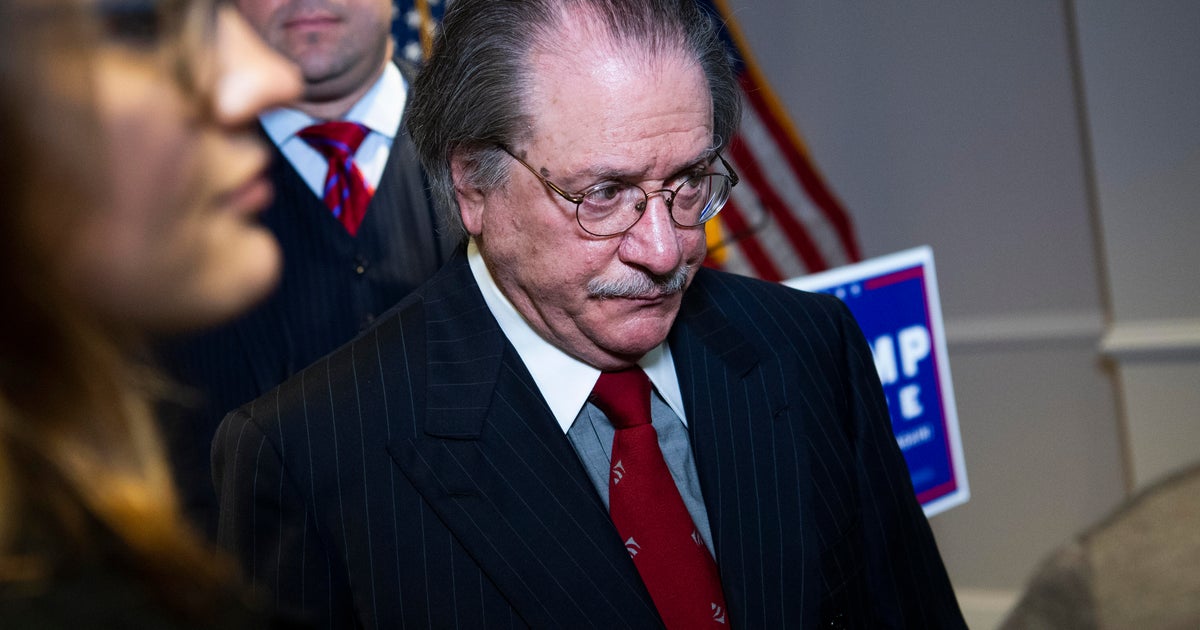

A Controversial Appointment: Trump Ally to Lead Brennan Investigation
The U.S. Justice Department has made a decision that’s raising eyebrows across the political spectrum. Joseph DiGenova, a longtime conservative attorney who once worked with President Trump’s campaign to challenge the 2020 election results, has been chosen to lead a criminal investigation into John Brennan, who formerly headed the CIA. According to officials from the Justice Department speaking on Saturday, DiGenova will be running this probe from the Southern District of Florida. He’s stepping into a role as counselor to Todd Blanche, who’s currently serving as acting Attorney General. This appointment comes at a particularly sensitive moment, just days after another prosecutor, Maria Medetis Long, was pulled from the case. The timing and the choice of replacement have sparked serious questions about what’s really going on behind the scenes at the Justice Department.
Questions About Evidence and Political Motivations
The circumstances surrounding this personnel change are troubling to many legal observers and government watchdogs. According to sources who are familiar with what happened, Maria Medetis Long wasn’t simply rotated off the case as part of normal staffing decisions. Instead, she was removed after she raised red flags about the quality and strength of the evidence they had gathered against Brennan. When pressed about why they made this change, a Justice Department spokesperson offered only a vague explanation on Friday, saying that switching up personnel on cases is “healthy and normal” – but notably didn’t provide any specific reasons for this particular change. The decision to bring in DiGenova, who’s known for his unwavering loyalty to Trump, while removing a career federal prosecutor who had concerns about the case, is setting off alarm bells for people who worry this investigation might be driven more by politics than by actual criminal wrongdoing. This situation feels uncomfortably familiar to another incident from last year, when President Trump fired the top federal prosecutor in Virginia’s Eastern District and brought in someone more loyal to him after the original prosecutor expressed doubts about cases targeting former FBI Director James Comey and New York Attorney General Letitia James.
DiGenova’s Controversial Background and Track Record
Joseph DiGenova isn’t just any attorney – he’s someone with a very specific reputation and history. At 81 years old, he’s had a long career that includes serving as U.S. attorney in Washington, D.C., back when Ronald Reagan was president. But in recent years, he’s become best known as one of Trump’s most vocal supporters and defenders. DiGenova has repeatedly promoted conspiracy theories claiming the 2020 election was stolen from Trump, despite no credible evidence supporting these claims. His rhetoric has sometimes crossed serious lines. Back in 2021, he found himself in legal hot water after making shockingly violent comments about Chris Krebs, who had been the director of the Cybersecurity and Infrastructure Agency. Krebs was fired during Trump’s first term after he publicly stated that the 2020 election was secure and free from major fraud or interference. During a television appearance, DiGenova called for Krebs to be “drawn and quartered” and “shot.” These weren’t just empty words – Krebs later said these comments triggered actual death threats against him, and he sued DiGenova over the matter. Eventually, DiGenova was forced to apologize. This history of promoting unfounded conspiracy theories and making inflammatory statements raises serious questions about whether DiGenova can approach the Brennan investigation with the objectivity and professional restraint that should characterize federal criminal investigations.
The Origins of the Brennan Investigation
To understand why this appointment matters so much, it’s important to know what the investigation into Brennan is actually about. The probe was launched following a referral that came from the House Judiciary Committee last October, when it was under Republican control. The allegations center on claims that Brennan lied to Congress about the CIA’s involvement in creating an intelligence assessment that looked at Russia’s attempts to interfere in the 2016 presidential election. Jim Jordan, who chairs the committee, accused Brennan of “falsely” denying that the CIA had relied on what’s become known as the Steele dossier when putting together this intelligence assessment. Jordan also claimed that Brennan lied when he told the committee the CIA had actually opposed including material from the Steele dossier in the assessment. The Steele dossier itself has become a lightning rod in political debates – it was prepared by Christopher Steele, a former British intelligence officer, and contained explosive and salacious allegations about then-candidate Trump. The problem is that many of these allegations have never been verified or proven true. The entire investigation stems from these disputes about what the CIA knew, when they knew it, and whether Brennan was truthful when he testified before Congress.
Recent Developments and Growing Intensity
The investigation hasn’t been sitting idle – it’s actually been ramping up significantly in recent weeks. Members of the prosecution team have been actively conducting interviews with important witnesses who might have information relevant to the case. There’s another interesting personnel detail worth noting: Chris DeLorenz has also gotten involved in the case. DeLorenz has an intriguing background that adds another layer to this story – he previously worked as a law clerk to U.S. District Judge Aileen Cannon during the time when special counsel Jack Smith was investigating President Trump’s handling and retention of classified documents. Judge Cannon’s decisions in that case were controversial, with many legal experts criticizing her rulings as unusually favorable to Trump. DeLorenz recently left his position in the deputy attorney general’s office to become a prosecutor in the Southern District of Florida, where he’s now working on the Brennan case. The involvement of someone with these particular connections is likely to fuel further speculation about whether this prosecution is being approached with appropriate independence and objectivity, or whether it’s being shaped by political considerations and loyalty to Trump.
Broader Implications and Concerns About Justice
What happened with the other cases that followed a similar pattern should give everyone pause about where the Brennan investigation might be headed. Remember that situation last year with the Virginia prosecutor who was replaced after expressing doubts about the evidence? The charges against Letitia James that he had questioned were eventually dismissed – suggesting his concerns about weak evidence were justified. However, the Trump administration hasn’t given up, and officials made new criminal referrals just last month to federal prosecutors in Miami and Chicago, alleging possible homeowner’s insurance fraud in two cases. This pattern – removing prosecutors who question the evidence, bringing in Trump loyalists, and continuing to pursue cases even after they fall apart – raises fundamental questions about the integrity of the justice system. The Justice Department is supposed to operate independently from political pressure, pursuing cases based on evidence and the law, not based on who the president’s allies and enemies are. When career prosecutors with concerns about evidence are replaced by political loyalists known for promoting conspiracy theories and making extreme statements, it undermines public confidence in the fairness and legitimacy of the entire legal process. Whether you support Trump or oppose him, whether you think Brennan did something wrong or not, everyone should be concerned when it appears that investigations are being driven by political vendettas rather than by a genuine pursuit of justice. The appointment of DiGenova to lead this investigation will likely become another flashpoint in the ongoing debates about the politicization of the Justice Department and whether the rule of law can survive when those in power use the justice system to target their perceived enemies.