
The Sudden Removal of Sean Plankey: Leadership Chaos at America’s Cyber Defense Agency
An Abrupt Departure Shrouded in Mystery
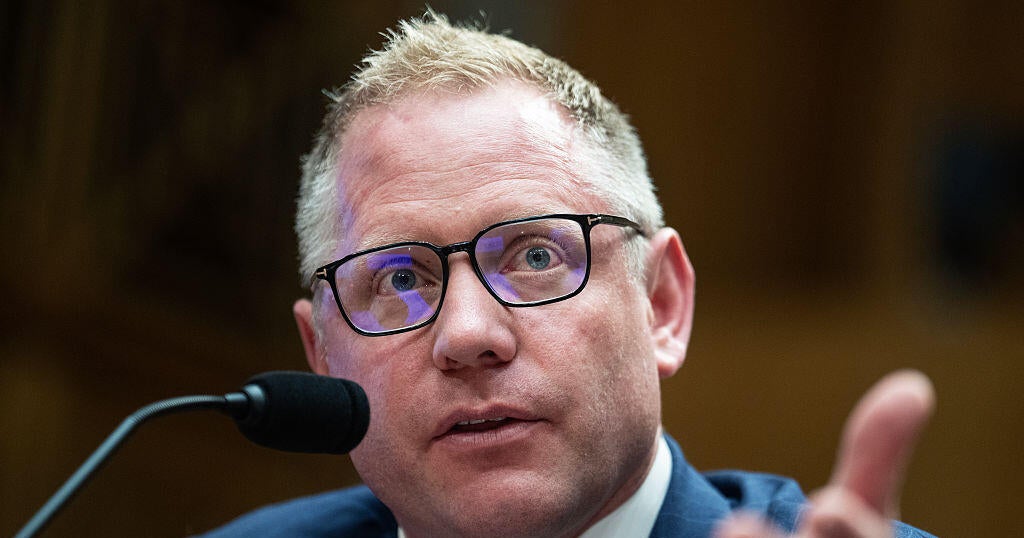
In a surprising turn of events that has sent shockwaves through the cybersecurity community, Sean Plankey found himself escorted out of U.S. Coast Guard headquarters late Monday evening, his access badge confiscated on the spot. This wasn’t just any government employee being shown the door—Plankey is President Trump’s nominee to lead the Cybersecurity and Infrastructure Security Agency (CISA), the very organization tasked with protecting America’s digital infrastructure from increasingly sophisticated cyber threats. The retired Coast Guard officer had been serving as senior adviser to the homeland security secretary while waiting for the Senate to act on his nomination. Now, he’s suddenly out of his Department of Homeland Security role, and nobody seems willing to explain exactly why. When pressed for details, both the Coast Guard and DHS offered only vague non-responses, with a DHS spokesperson simply stating they had “no personnel matters to announce at this time.” The silence from official channels has only fueled speculation about what really happened behind closed doors at one of the nation’s most critical security agencies.
A Nomination Process Gone Sideways
Plankey’s journey to potentially lead CISA has been anything but smooth. His original nomination in 2025 hit a roadblock when Florida Senator Rick Scott placed a hold on it, and when the legislative session ended without a Senate vote, his nomination simply expired along with numerous others caught in the political machinery. President Trump renominated him in January, but here’s where things get particularly interesting—multiple sources familiar with the process say this second nomination might have been a mistake. According to these insiders, Plankey’s renomination was “an administrative error” that happened when the White House submitted a large batch of nominations. Imagine being accidentally nominated for one of the most important cybersecurity positions in the country! However, a White House official pushed back hard against this characterization, insisting that Plankey’s renomination was completely intentional and that he remains the administration’s chosen candidate to lead CISA. Despite his removal from the Coast Guard position, the White House is standing by him—at least publicly. This confusion over whether his nomination was intentional or accidental speaks volumes about the organizational chaos that appears to be plaguing the process.
Internal Tensions and Contracting Controversies
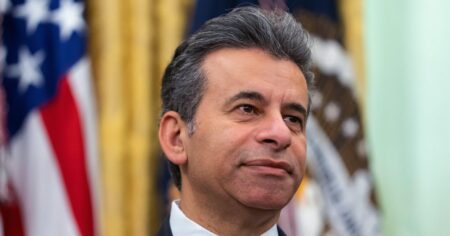
Behind the scenes at CISA, it appears Plankey had made some enemies. People familiar with the agency’s internal dynamics revealed that he had significant ongoing tensions with Madhu Gottumukkala, who served as CISA’s acting director until his recent replacement. Gottumukkala, who has close ties to Homeland Security Secretary Kristi Noem from his previous work in South Dakota, apparently clashed with Plankey over fundamental issues. These tensions weren’t just personality conflicts—they centered on serious matters like cybersecurity contracts worth potentially millions of dollars. According to sources, Plankey was pushing hard for certain contracts to move forward, while Gottumukkala was uncomfortable approving them. Here’s the problem: as a nominee awaiting Senate confirmation, Plankey is generally expected to stay out of agency operations, especially sensitive matters like contract approvals. His involvement in these decisions raises questions about whether he was overstepping his authority and inappropriately trying to influence agency business before he was even confirmed. This kind of disagreement over contracts, combined with questions about proper boundaries, could explain why Plankey suddenly found himself being escorted out of the building with his badge taken away.
Security Lapses and Leadership Musical Chairs
Adding another layer to this already complicated story, Gottumukkala himself became the center of a security controversy when it was revealed he had uploaded sensitive government documents to a public version of ChatGPT. These weren’t just any documents—they were marked “for official use only,” and when he uploaded them to the AI chatbot, it triggered automated security alerts throughout the system. An internal review was launched to investigate how sensitive information was being handled at the very agency responsible for protecting government networks. The irony of the acting director of the cybersecurity agency potentially compromising security through careless use of artificial intelligence wasn’t lost on critics. Meanwhile, CISA has been playing leadership musical chairs at a dizzying pace. Gottumukkala was replaced last month as acting director by Nick Andersen, the agency’s executive assistant director for cybersecurity. This marks yet another change at the top of an agency that desperately needs stable, consistent leadership. During all this turmoil, Plankey was also working on Coast Guard policy matters, helping to secure approximately $25 billion in funding for the service in the most recent appropriations bill—substantial work that makes his sudden removal all the more puzzling.
Political Obstacles and Confirmation Gridlock
Even if the White House genuinely wants Plankey to lead CISA, getting him confirmed may prove nearly impossible given the current political climate. Senate schedules are notoriously unpredictable, and with campaign season approaching, senators have less time and inclination to deal with controversial nominations. Then came another significant roadblock during Secretary Noem’s testimony before the Senate. Republican Senator Thom Tillis of North Carolina essentially threatened to blow up the entire nomination process if Noem didn’t respond to his office’s inquiries about immigration enforcement and disaster response funding in his state. Tillis didn’t mince words: if he didn’t get answers to questions his office had been asking for a month, he would place a hold on all group nominations, and if responses didn’t come within two weeks, he would “deny quorum and markup in as many committees as I can.” This kind of hardball political maneuvering means that even if Plankey’s nomination was intentional and even if the administration wants him confirmed, he could become collateral damage in completely unrelated political battles. For those hoping for quick resolution and stable leadership at CISA, this is deeply frustrating news.
Real-World Consequences of Leadership Chaos
While politicians and nominees navigate bureaucratic drama, the real-world consequences of CISA’s leadership instability are mounting. Cybersecurity officials and industry experts warn that this prolonged chaos is undermining CISA’s credibility with the private sector at precisely the wrong time. Large critical infrastructure companies increasingly rely on private intelligence vendors for cyber threat information because they can often provide faster, more actionable intelligence than government agencies. However, smaller organizations—including water utilities, manufacturing facilities, and local governments—still depend heavily on CISA’s alerts and guidance because they lack the resources to purchase expensive private intelligence services. These smaller entities protecting essential infrastructure are being left vulnerable during a period of heightened cyber threats. The timing couldn’t be worse: just last week, DHS issued a Critical Incident Report warning that the Iran-linked hacktivist group Cyber Islamic Resistance has called for cyberattacks against the United States and Israel. The report indicates that Iran-aligned actors may conduct website defacements, distributed denial of service attacks, and other cyber operations targeting Jewish, pro-Israel, or U.S. government sites. Additionally, all of this is happening as the federal government faces a partial shutdown of DHS, further complicating the agency’s ability to respond to threats. America’s cyber defenses need clear leadership, consistent messaging, and coordinated action—instead, we have a nominee escorted out of a building, acting directors being shuffled, and politicians threatening to block nominations over unrelated issues. For the hackers and foreign adversaries looking to exploit American weaknesses, this chaos is a golden opportunity.