
President Trump Pardons Five Former NFL Players: A Story of Second Chances
A Presidential Act of Clemency for Football Legends
In a move that blends sports history with criminal justice reform, President Trump issued pardons to five former professional football players on Thursday, offering them a fresh start after past legal troubles. The announcement came through White House pardon coordinator Alice Marie Johnson, who shared the news on social media with a message that resonated with themes of redemption and resilience. The pardoned group includes NFL veterans Joe Klecko, Nate Newton, Jamal Lewis, Travis Henry, and the late Billy Cannon, each of whom had faced serious criminal charges ranging from perjury to drug trafficking during or after their football careers. Johnson’s announcement carried a hopeful tone, drawing parallels between the perseverance required in football and the American spirit of overcoming adversity. “As football reminds us, excellence is built on grit, grace, and the courage to rise again. So is our nation,” she wrote, expressing gratitude to President Trump for his “continued commitment to second chances” and emphasizing that “mercy changes lives.”
The Cases Behind the Pardons
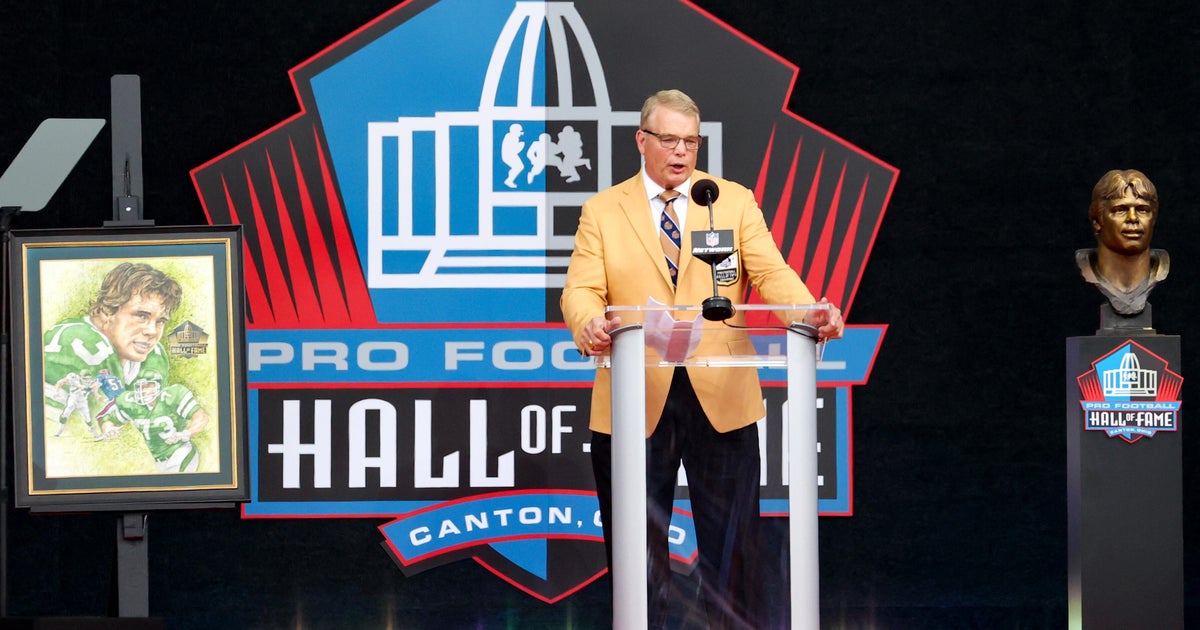
Each of these former players had achieved remarkable success on the football field before encountering legal problems that derailed their lives and careers. Joe Klecko, a defensive lineman who became a New York Jets legend, pleaded guilty to perjury after lying to a federal grand jury investigating insurance fraud. Despite this legal setback, Klecko’s football legacy remained strong enough that he was inducted into the Pro Football Hall of Fame in 2023, a testament to his extraordinary career that included two All-Pro selections and four Pro Bowl appearances. Nate Newton, an offensive lineman who helped the Dallas Cowboys dominate the 1990s, faced federal drug trafficking charges after authorities discovered $10,000 in his pickup truck along with 175 pounds of marijuana in an accompanying vehicle driven by another person. Newton’s fall from grace was particularly dramatic given his success as a two-time All-Pro player and six-time Pro Bowler who won three Super Bowl championships with Dallas. According to Johnson, Cowboys owner Jerry Jones personally delivered the news of the pardon to Newton, highlighting the enduring bonds between the team and its former star.
From Gridiron Glory to Legal Troubles
Jamal Lewis, who made his mark as a powerful running back for the Baltimore Ravens and Cleveland Browns, pleaded guilty in a drug case involving his use of a cellphone to arrange a drug deal shortly after being selected as a top pick in the 2000 NFL draft. Despite this early career misstep, Lewis went on to achieve significant success on the field, earning All-Pro honors once, making one Pro Bowl appearance, and being named the 2003 Associated Press Offensive Player of the Year. Travis Henry, another talented running back who played for three teams including the Denver Broncos, pleaded guilty to conspiracy to traffic cocaine after authorities discovered he had financed a drug ring that transported cocaine between Colorado and Montana. Henry had been selected to one Pro Bowl during his career before his involvement in drug trafficking brought his football days to an end. The most tragic case among the five involves Billy Cannon, whose pardon came posthumously as he passed away in 2018. Cannon, who played for the Houston Oilers, Oakland Raiders, and Kansas City Chiefs, admitted to counterfeiting in the mid-1980s after a series of failed investments and mounting debts left him financially devastated.
A Football Legacy Remembered
Billy Cannon’s story is particularly poignant because his accomplishments on the football field were truly legendary. Before his professional career, Cannon won the 1959 Heisman Trophy while playing for Louisiana State University, where he created one of the most unforgettable moments in college football history with an 89-yard punt return for a touchdown against Ole Miss. During his time in the NFL, Cannon was a two-time All-Pro player and two-time Pro Bowler, establishing himself as one of the premier talents of his era. The fact that financial desperation drove such an accomplished athlete to commit counterfeiting offenses illustrates the challenges many professional athletes face in managing their finances and transitioning to life after football. Though Cannon died six years ago, the posthumous pardon serves to restore some measure of his reputation and acknowledge that his criminal actions, while serious, shouldn’t completely overshadow his remarkable contributions to American football.
The Broader Context of Second Chances
The White House did not provide detailed explanations for why President Trump, known to be an avid sports fan, chose to pardon these specific players on Thursday night. However, the pardons fit within a broader pattern of criminal justice reform efforts that have gained bipartisan support in recent years, particularly regarding cases where individuals have served their time, demonstrated rehabilitation, or where sentences seem disproportionate to the crimes committed. Alice Marie Johnson herself embodies this philosophy of second chances—she was serving a life sentence for a first-time nonviolent drug offense when President Trump commuted her sentence in 2018 after Kim Kardashian advocated on her behalf. Johnson has since become a prominent advocate for criminal justice reform and now serves as the White House pardon coordinator, a role that allows her to help others receive the same mercy she was granted. Her involvement in announcing these pardons adds a layer of authenticity and personal understanding to the process, as someone who has directly experienced the transformative power of presidential clemency.
Redemption, Forgiveness, and Moving Forward
These pardons raise important questions about redemption, forgiveness, and how society should treat individuals who have both achieved greatness and made serious mistakes. All five of these men reached the pinnacle of professional football, entertaining millions of fans and demonstrating extraordinary discipline, teamwork, and athletic ability. Yet they also made choices that led to criminal convictions, causing harm to others and to their own reputations and futures. The decision to grant them pardons suggests a belief that people can change, that past mistakes shouldn’t permanently define a person’s entire life, and that those who have paid their debt to society deserve an opportunity to move forward without the continuing burden of a criminal record. For the four living recipients of these pardons, the clemency offers practical benefits such as restored civil rights and potentially easier employment opportunities, but perhaps more importantly, it offers public recognition that their lives encompass more than their worst moments. As Johnson eloquently stated, “Mercy changes lives,” and these pardons represent a tangible expression of that principle—an acknowledgment that excellence, grit, grace, and the courage to rise again apply not just to athletic comebacks, but to personal redemption as well. Whether one agrees or disagrees with these specific pardons, they serve as a reminder of the ongoing national conversation about justice, punishment, rehabilitation, and the possibility of second chances in American society.