
The Iranian Protests: A Humanitarian Crisis Under Media Blackout
A Shocking Death Toll Emerges
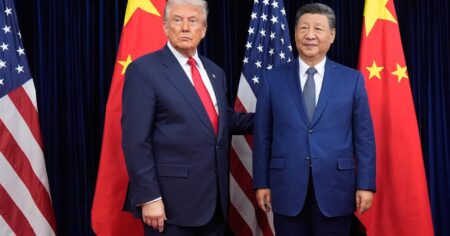
In a startling revelation that sent shockwaves through the international community, President Trump disclosed during a Friday news briefing that approximately 32,000 people had been killed during recent anti-government protests in Iran. This figure dramatically exceeds any previously reported death tolls from the demonstrations that rocked the Islamic Republic. The President made this announcement while simultaneously addressing the Supreme Court’s decision regarding his comprehensive tariff policies, though he did not provide specific sources or intelligence backing for this devastating casualty count. When reporters pressed him for a message to the Iranian people, Trump drew a clear distinction between the citizens and their government, describing the situation as profoundly tragic and emphasizing that “the people of Iran are very different than the leaders of Iran.” This statement reflected a growing international concern about the Iranian government’s brutal response to peaceful demonstrations calling for political reform and greater freedoms.
The Darkest Days Since the Revolution
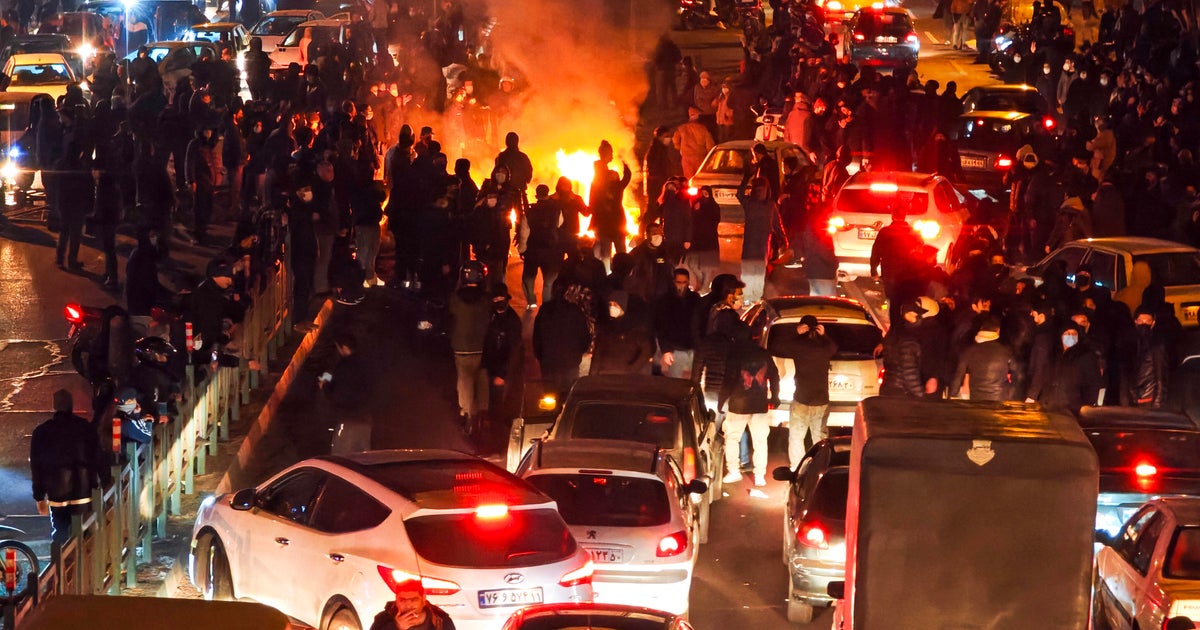
The mass anti-government protests that swept across Iran in January represented one of the most significant challenges to the regime since the Islamic Revolution of 1979. These demonstrations, which initially began over economic concerns and government corruption, quickly evolved into a broader movement demanding fundamental political change and accountability from Iran’s leadership. However, the government’s response was swift and ruthless, deploying security forces to crush the uprising with overwhelming force. The crackdown reached its horrifying peak on January 8th and 9th, days that are now believed to represent the bloodiest and most brutal period since the current government came to power more than four decades ago. The severity of the violence during these 48 hours has been difficult to fully document due to a comprehensive internet blackout imposed by authorities, which effectively cut off Iran from the outside world and prevented information about casualties, injuries, and mass arrests from reaching international observers and human rights organizations.
Eyewitness Accounts Paint a Grim Picture
Despite the government’s efforts to control information, disturbing reports have managed to filter out of Iran, painting a horrifying picture of what occurred during the protests. Two independent sources, including one courageous individual still inside Iran, told CBS News last month that the death toll from the demonstrations likely ranged between 12,000 and 20,000 people—a figure that was already considered catastrophic before President Trump’s higher estimate emerged. One Iranian man who managed to circumvent the internet blackout and establish a video call with CBS News provided a chilling firsthand account of what he described as nothing short of a massacre of peaceful anti-government protesters in a public square. His testimony suggested that security forces opened fire indiscriminately on crowds of demonstrators, showing no restraint or regard for human life. The U.S.-based Human Rights Activists News Agency has documented that more than 50,000 people were arrested during and after the protests, with many of these detainees facing uncertain fates in Iran’s notorious prison system, where torture and mistreatment are well-documented.
Presidential Support and Military Pressure
Throughout the protests and subsequent crackdown, President Trump positioned himself as a vocal supporter of the Iranian people’s aspirations for freedom and reform, using his platform to condemn the regime’s violence and express solidarity with the protesters. This support went beyond mere rhetoric, as U.S. military forces began significantly building up their presence in the region—a move that served the dual purpose of demonstrating American resolve while also applying pressure on the Islamic Republic to negotiate on its controversial nuclear program. The President revealed on Friday that he had issued a direct and unambiguous threat to Iranian authorities regarding their plans to execute hundreds of arrested protesters, demonstrating the administration’s willingness to use the threat of military force to prevent what it viewed as extrajudicial killings. Trump explained that Iranian officials had planned to hang 837 people in connection with the protests, but he personally intervened with a stark warning that carried the weight of immediate military consequences.
The Execution Threat and American Response
In characteristically blunt language, President Trump described his ultimatum to Iran’s leadership: “They were going to hang 837 people, and I gave them the word, if you hang one person, even one person, that you’re going to be hit right then and there. I wasn’t waiting two weeks and negotiating. And they gave up the hanging. They didn’t hang 837, supposedly they didn’t hang anybody.” This claim suggested that the threat of immediate American military action had successfully deterred mass executions of protesters, though independent verification of whether these executions were truly prevented remained difficult given the information blackout inside Iran. Trump had previously told CBS Evening News anchor Tony Dokoupil in January that “very strong actions” would be taken against the Iranian regime if such executions occurred, indicating that this was not an idle threat but rather a consistent policy position that the administration was prepared to enforce with military power. The President’s willingness to intervene on this issue reflected both humanitarian concerns and a broader strategy of challenging Iranian government authority while supporting the pro-democracy movement.
Nuclear Negotiations and Future Uncertainty
As the humanitarian crisis continued to unfold, President Trump also pressed forward with his broader strategy toward Iran, demanding on Friday that the government “better negotiate a fair deal” on its nuclear program. Earlier that same day, he acknowledged publicly that he was actively considering a limited military strike against Iranian targets, though he remained deliberately vague about specific plans or timelines. Behind the scenes, CBS News reported that Trump had not yet made a final decision about whether to authorize such strikes, though top national security officials had assured him that the military stood ready to execute potential operations as soon as that weekend if given the order. According to sources familiar with the deliberations, however, the realistic timeline for any military action likely extended beyond the immediate weekend, suggesting that diplomatic channels remained open even as military options were prepared. This delicate balance between threats and negotiations, between supporting Iranian protesters and pursuing nuclear agreements, represented the complex and often contradictory nature of American policy toward one of the most challenging and consequential relationships in international affairs. As the world watched and waited, the fate of thousands of detained protesters, the future of Iran’s pro-democracy movement, and the possibility of military conflict all hung in an uncertain balance, with consequences that would ripple far beyond Iran’s borders.