
Trump’s Controversial Exclusion of Democratic Governors Sparks Bipartisan Tension
A Tradition of Unity Meets Political Division
The annual National Governors Association conference has long been considered a cornerstone of American federalism, where state leaders from across the political spectrum gather to discuss pressing issues facing their constituents and engage with the sitting president. This tradition of bipartisan cooperation hit a significant roadblock this week when President Trump initially attempted to exclude Democratic governors from what should have been routine White House events. What began as a straightforward scheduling matter quickly escalated into a political firestorm that highlights the deep partisan divisions characterizing contemporary American politics. The controversy centers around two events scheduled for late February: a formal business meeting on February 20th and a White House dinner on February 21st. According to the National Governors Association and sources familiar with the administration’s planning, the White House initially intended to invite only Republican governors to these traditionally bipartisan gatherings, marking an unprecedented departure from established protocol.
The Initial Exclusion and Swift Backlash
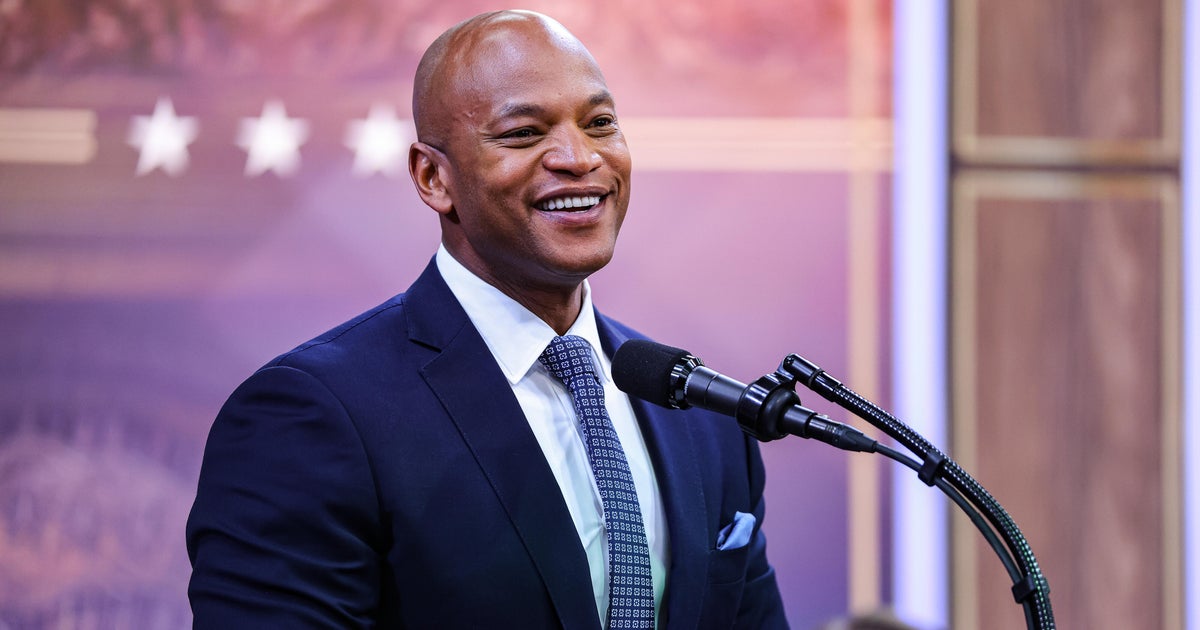
The situation came to light when Maryland Governor Wes Moore and Colorado Governor Jared Polis received word through the National Governors Association that they would not be invited to the White House dinner with the president, governors, and their spouses. This exclusion wasn’t quietly accepted. The NGA revealed that on February 5th, they were informed by the White House that only Republican governors would receive invitations to the formal business meeting. This move prompted the NGA to take a principled stand, announcing the following day that they would neither facilitate the meeting nor include it on their official schedule. The organization’s decision to distance itself from the event underscored the seriousness with which they viewed this breach of longstanding bipartisan tradition. The controversy placed Oklahoma Governor Kevin Stitt, a Republican who chairs the NGA, in a difficult position. As the leader of an organization dedicated to representing all governors regardless of party affiliation, Stitt found himself mediating between the White House and his fellow governors, attempting to restore the inclusive nature of these important gatherings.
A Confusing Resolution and Continued Controversy
Following discussions between Governor Stitt and the White House, what appeared to be a resolution emerged on Wednesday. Stitt informed all 55 state and territorial governors that everyone was invited to the formal meeting on February 20th. In his message to fellow governors, Stitt quoted President Trump as saying the event was “a National Governors Association’s event” and that the president looked forward to “hosting you and hearing from governors across the country.” Stitt’s communication suggested that Trump claimed this inclusive approach was always his intention and that there had simply been “a misunderstanding in scheduling.” Democratic governors began receiving invitations to the business meeting Wednesday evening, though uncertainty remained regarding the dinner event. However, this apparent resolution was immediately complicated by President Trump’s own social media post on Truth Social. In a message that directly contradicted Stitt’s communication, Trump stated unequivocally that Moore and Polis remained excluded from the events. “The invitations were sent to ALL Governors, other than two, who I feel are not worthy of being there,” Trump wrote, even calling out Stitt for getting it “WRONG.” The president’s post created confusion about the actual invitation status and highlighted a concerning disconnect between the NGA chair and the president himself.
The Personal Grievances Behind the Exclusions
President Trump didn’t simply exclude the two Democratic governors without explanation; he provided specific rationales that reveal the personal nature of these political decisions. Regarding Governor Polis of Colorado, Trump cited an ongoing disagreement over former Colorado county election clerk Tina Peters, who is currently serving a nine-year sentence on multiple state charges related to unauthorized access to voting machines. The president has reportedly been pressuring Polis for months to grant clemency to Peters, and the governor’s refusal appears to have earned him a place on Trump’s exclusion list. This particular grievance reflects broader tensions around election integrity issues that have dominated political discourse since the 2020 presidential election. The president’s stated reasons for excluding Maryland Governor Wes Moore were even more personal in nature. Trump characterized Moore as “foul mouthed” and accused him of embellishing his receipt of military medals, referencing an incident from 2006 when Moore applied for a White House fellowship. Moore has acknowledged this as an “honest mistake” and has since received a Bronze Star for his deployment to Afghanistan, lending credibility to his military service record. These personal attacks go beyond policy disagreements and venture into character assassination territory, raising questions about whether personal vendettas should influence official governmental functions that traditionally transcend partisan politics.
Democratic Solidarity and Broader Implications
The Democratic governors’ response to the exclusion of their colleagues demonstrated remarkable unity in an era often characterized by political fragmentation. Nearly every Democratic governor issued a joint statement on Tuesday indicating they would not attend any White House events, including the dinner, out of solidarity with Moore and Polis. This collective action represented a significant statement about the importance of inclusive governance and respect for all duly elected state leaders, regardless of party affiliation. Governor Moore himself characterized the exclusion as “another example of blatant disrespect and a snub to the spirit of bipartisan federal-state partnership,” while a spokesperson for Governor Polis called it “a disappointing decision for a traditionally bipartisan event between Governors and whomever occupies the White House.” These responses highlighted how the exclusions weren’t merely about two individuals being left off a guest list, but rather represented a fundamental challenge to the cooperative federalism that has long been a hallmark of American governance. The controversy also shed light on intra-party tensions among Republicans, with President Trump calling Governor Stitt a “RINO” (Republican in name only) for his previous support of Florida Governor Ron DeSantis during the 2024 Republican presidential primaries, demonstrating that loyalty to Trump personally has become as important as party affiliation.
The Erosion of Institutional Norms and Looking Forward
This incident represents more than a scheduling dispute or a personal feud between political figures; it symbolizes the continuing erosion of institutional norms that have traditionally helped American democracy function across partisan divides. The National Governors Association events have historically provided a neutral ground where state executives could engage with federal leadership, share best practices, and work collaboratively on issues affecting their constituents. When these spaces become politicized and weaponized, the ability of government to function effectively across different levels diminishes significantly. The fact that governors from both parties attended similar White House events during last year’s conference without such drama—despite a notable verbal confrontation between Trump and Maine Democratic Governor Janet Mills over transgender women in sports—demonstrates that bipartisan engagement, while sometimes contentious, has been possible even in highly polarized times. The current controversy raises important questions about the future of federal-state relations and whether traditional forums for cooperation can survive in an environment where personal loyalty to individual politicians supersedes institutional relationships and professional courtesy. As this situation continues to develop, with conflicting messages about who is actually invited to which events, the confusion itself becomes part of the problem, creating uncertainty that undermines the effectiveness of these important gatherings and potentially setting a troubling precedent for how future administrations engage with state leaders who may not share their political affiliation or personal priorities.