

Trump’s Shifting Stance: Allowing Russian Oil Relief to Cuba Amid Humanitarian Crisis
A Surprising Policy Pivot
In an unexpected turn of policy, President Trump announced Sunday evening that he would not oppose a Russian oil tanker delivering much-needed fuel to Cuba, despite his administration’s aggressive campaign to economically isolate the island nation. Speaking to reporters aboard Air Force One on his return to Washington, Trump expressed a rare moment of humanitarian consideration, stating, “We have a tanker out there. We don’t mind having somebody get a boatload because they need… they have to survive.” This statement marks a notable departure from what has been described as the most aggressive U.S. approach toward Cuba in recent history. The announcement came in response to questions about a New York Times report indicating that the tanker would be permitted to reach Cuban shores. Trump clarified his position without hesitation: “I told them, if a country wants to send some oil into Cuba right now, I have no problem whether it’s Russia or not.” The vessel in question, the Anatoly Kolodkin, was carrying approximately 730,000 barrels of oil and was positioned just off Cuba’s eastern coast on Sunday night, with tracking data showing an expected arrival in the city of Matanzas by Tuesday. Cuban state media journalists confirmed reports of the boat’s anticipated arrival, though official Cuban government sources remained silent on the matter.
The Human Cost of Economic Warfare
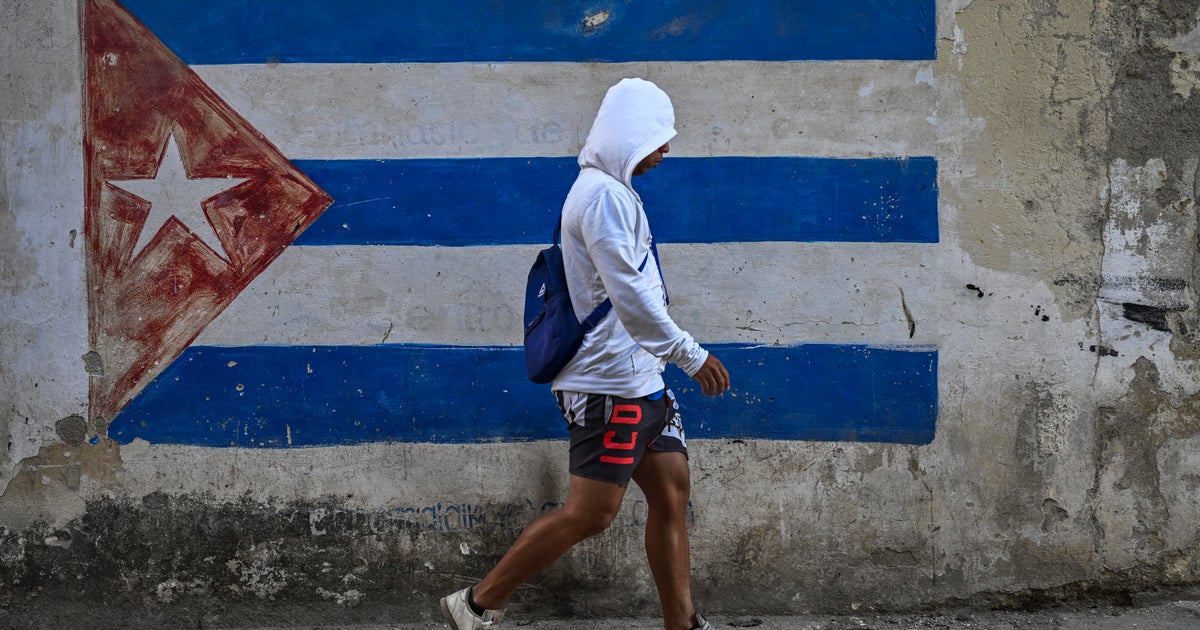
The decision to allow this shipment comes against a backdrop of severe humanitarian suffering on the island. The Trump administration’s oil blockade, orchestrated alongside Secretary of State Marco Rubio as part of an effort to force regime change, has created devastating conditions for ordinary Cuban citizens—the very people Trump and Rubio claim they want to help. The island has been plagued by widespread, recurring blackouts that have compounded years of economic crisis and hardship. Without adequate fuel supplies, Cuba’s already strained infrastructure has essentially collapsed in many areas. Hospitals lack the diesel needed to run generators during power outages, leaving medical facilities unable to provide critical care. Public transportation has been slashed dramatically, leaving citizens unable to get to work, school, or access basic services. The shortage of gasoline and other essential resources has left many Cubans in desperate circumstances, struggling to meet even their most basic daily needs. Experts estimate that the Russian shipment could produce approximately 180,000 barrels of diesel—enough to meet Cuba’s daily demand for nine or ten days. While this represents only temporary relief, it could provide a crucial lifeline for a population that has been pushed to the brink by the comprehensive U.S. embargo.
The Geopolitical Chess Game Continues
Cuba has long served as a focal point in the strategic rivalry between the United States and Russia, a dynamic that stretches back through decades of Cold War tensions and beyond. However, President Trump downplayed concerns that permitting the Russian tanker to deliver oil would somehow strengthen Vladimir Putin’s position or provide Russia with a geopolitical advantage. “It doesn’t help him. He loses one boatload of oil, that’s all it is,” Trump told reporters. “If he wants to do that, and if other countries want to do it, it doesn’t bother me much.” The president insisted that this single shipment would have no meaningful impact on the broader situation, maintaining his position that the Cuban government is on the verge of collapse regardless. “It’s not going to have an impact. Cuba’s finished. They have a bad regime. They have very bad and corrupt leadership and whether or not they get a boat of oil, it’s not going to matter,” Trump declared. Interestingly, the Anatoly Kolodkin itself is no stranger to international sanctions, having been targeted by the United States, the European Union, and the United Kingdom in response to Russia’s war in Ukraine. The fact that Trump is willing to look the other way in this instance suggests that humanitarian considerations—or perhaps strategic calculations about Cuba’s imminent political transformation—are taking precedence over maintaining a unified sanctions front against Russia.
Trump’s Vision for Cuba’s Future
The president has been increasingly vocal about his expectations for Cuba’s political future, repeatedly suggesting that American intervention is imminent. “Cuba’s a mess. It’s a failing country, and they’re going to be next,” Trump stated Sunday night, echoing comments he has made on multiple occasions. “Within a short period of time, it’s going to fail, and we will be there to help it out. We’ll be there to help our great Cuban Americans out who were thrown out of Cuba.” This rhetoric suggests that the Trump administration views the current crisis not as a humanitarian catastrophe requiring immediate relief, but rather as an opportunity for regime change and political transformation. The president’s framing positions the United States as a savior-in-waiting, ready to step in once the Cuban government collapses under the weight of economic pressure. Trump’s willingness to allow this particular oil shipment appears to be calculated within this broader strategic framework—permitting just enough relief to prevent complete societal breakdown while maintaining sufficient pressure to destabilize the government. His comment that “I’d prefer letting it in, whether it’s Russia or anybody else because the people need heat and cooling and all of the other things” reveals an awareness of the human suffering, even as his policies continue to be the primary cause of that suffering.
Grassroots Solidarity and Dangerous Mercy Missions
As government policies have tightened the noose around Cuba’s economy, ordinary citizens from other countries have taken extraordinary measures to provide humanitarian assistance. Two sailboats that departed from Mexico as part of the Nuestra América Convoy arrived in Havana on Saturday afternoon after disappearing for several days following their March 20 departure, sparking concern among organizers and supporters. Adnaan Stumo, the American coordinator of the aid convoy, explained that while they were “never in any serious danger,” the boats were forced to take a longer, more circuitous route to avoid severe weather conditions. The Mexican navy located the vessels approximately 80 nautical miles northwest of Havana and provided escort services to ensure their safe arrival at port. “We arrive with a simple but powerful message: solidarity with the Cuban people doesn’t stop at borders. It crosses oceans,” Stumo declared upon arrival. “Over the past week, our sailboats encountered difficult conditions at sea, during which we lost contact with convoy coordinators and maritime authorities alike.” These grassroots efforts underscore a growing international movement to provide direct assistance to Cuban civilians, bypassing official government channels and policies. The willingness of individuals to undertake dangerous ocean voyages to deliver aid highlights both the severity of the crisis in Cuba and the depth of solidarity felt by people across the Americas and beyond.
The Broader Implications and Moral Contradictions
The situation unfolding around Cuba reveals the profound contradictions inherent in using humanitarian suffering as a tool of foreign policy. The Trump administration’s approach has been to economically strangle the island in hopes of forcing political change, yet this strategy has primarily harmed ordinary citizens rather than the government officials it ostensibly targets. The elderly struggling without electricity, the sick unable to receive proper medical care, and families unable to access basic transportation bear the greatest burden of these policies. President Trump’s decision to allow the Russian oil tanker to proceed represents a small acknowledgment of this reality, yet it remains fundamentally inadequate given the scale of need. Nine to ten days of diesel fuel provides only the briefest respite for a population enduring a sustained crisis. The president’s rhetoric continues to frame Cuba as “finished” and destined for imminent collapse, suggesting that the suffering is both necessary and temporary—a price worth paying for eventual political transformation. However, history has repeatedly shown that such economic warfare strategies often prolong suffering without achieving their stated objectives. The Cuban government has survived decades of U.S. embargo policies, adapting and enduring even as its citizens have paid enormous costs. Whether Trump’s intensified approach will succeed where previous efforts have failed remains to be seen, but the human toll is already undeniable and growing by the day. As this drama unfolds, the international community watches to see whether humanitarian considerations will ultimately prevail over geopolitical calculations.