
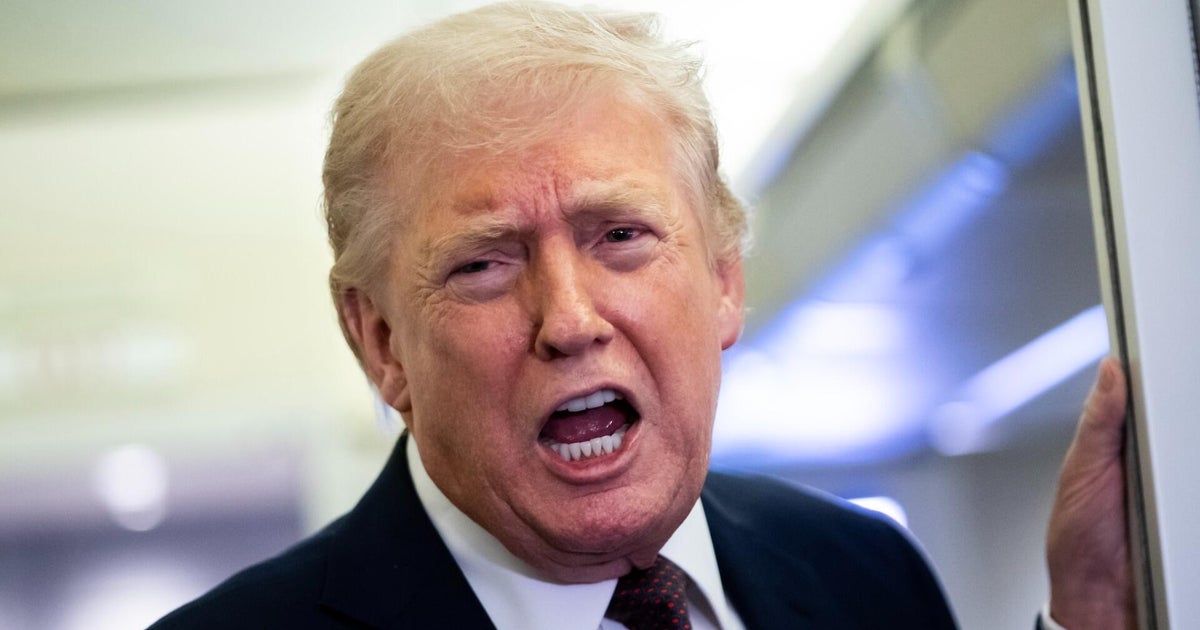

Trump Threatens NATO Exit: A Seismic Shift in Western Alliance Strategy
A Startling Declaration That Shakes Transatlantic Relations
In a bombshell interview with Britain’s Telegraph newspaper, President Trump has openly discussed the possibility of pulling the United States out of NATO, the defensive alliance that has been the cornerstone of Western security for more than seventy years. This isn’t just political posturing or typical campaign rhetoric—it represents a fundamental challenge to the international order that America helped build after World War II. The NATO alliance was originally created as a shield against Soviet expansion across Europe, a time when democratic nations banded together under the principle that an attack on one would be considered an attack on all. Now, the very nation that championed this alliance is considering walking away from it, and the implications are staggering for global security, European defense, and the balance of power that has maintained relative peace in the Western world for generations.
The Context Behind Trump’s NATO Criticism
Trump’s latest comments didn’t emerge in a vacuum. They come at a particularly tense moment, following what the interview describes as a U.S. and Israeli military campaign against Iran—a conflict that has apparently frustrated the President because NATO allies declined to participate. What makes this situation particularly contentious is that these allies reportedly weren’t consulted beforehand about the military action, nor were they involved in planning for the economic and security consequences that would inevitably follow. It’s a classic case of being asked to join a fight you didn’t start and weren’t consulted about. Trump’s irritation is palpable in his comments, where he repeatedly emphasized that NATO members should “automatically” support American military endeavors, just as the U.S. has supported European security interests. He specifically pointed to Ukraine as an example, saying it “wasn’t our problem” but that America showed up anyway. The underlying message is clear: Trump views the transatlantic relationship as fundamentally unbalanced, with America shouldering disproportionate burdens while allies fail to reciprocate when Washington needs support.
The Reality of Actually Leaving NATO
While Trump’s words are alarming, there are significant legal and political obstacles to actually withdrawing from NATO. According to official congressional sources, the President cannot simply decide to pull America out of the alliance on a whim. The law requires him to obtain the “advice and consent of the Senate,” and not just a simple majority—he would need a two-thirds supermajority to approve such a momentous decision. This is an extraordinarily high bar, designed specifically to prevent hasty decisions that could undermine American security interests. Even in today’s polarized political environment, it’s difficult to imagine sixty-seven senators voting to dismantle an alliance that has been central to American foreign policy since 1949. However, the fact that a sitting President is even discussing this possibility publicly represents a dramatic shift. It signals to allies that American commitment cannot be taken for granted, and it emboldens adversaries who have long sought to weaken Western unity. The uncertainty itself becomes a weapon, as allies must now plan for scenarios where American support might evaporate, leading them to make different strategic calculations about their own defense spending and diplomatic relationships.
European Anxiety and the Ukraine Connection
For America’s European allies, Trump’s comments couldn’t come at a worse time. They’re already struggling to support Ukraine against Russia’s brutal invasion, and they’ve been doing so with what the Telegraph describes as “less and less help from Washington.” Ukraine has become a test case for the entire principle of collective security—the idea that democracies will stand together against authoritarian aggression. If America steps back from this commitment, it raises existential questions about the value of the NATO alliance itself. European nations have watched with growing concern as American political support for Ukraine has become increasingly partisan and uncertain. They’ve had to contemplate scenarios that would have been unthinkable just a few years ago: What if they have to defend themselves without American military might? What if the security guarantee that has anchored European peace since 1949 simply evaporates? These aren’t abstract diplomatic concerns—they’re questions about national survival in a neighborhood that includes an aggressive Russia. Trump’s willingness to publicly question NATO’s value while European nations are actively dealing with Russian aggression on their doorstep adds insult to injury, suggesting that America might abandon its allies precisely when they need support most.
Putin’s Perspective and Strategic Implications
If Trump’s words caused anxiety in European capitals, they likely brought satisfaction in Moscow. Russian President Vladimir Putin has spent years working to undermine NATO, using everything from disinformation campaigns to energy politics to sow division among member states. Putin has consistently framed his invasion of Ukraine as a defensive response to NATO expansion, claiming that the alliance’s growth eastward represents an existential threat to Russia. Most Western analysts view this as a pretext rather than a genuine security concern, but it’s the narrative the Kremlin has used to justify aggression. Trump’s comments play directly into this strategy by validating Putin’s long-standing goal of weakening the alliance. When Trump calls NATO a “paper tiger” and suggests Putin knows it too, he’s essentially endorsing the Russian president’s view of the organization. This isn’t lost on anyone paying attention. A fractured NATO is exactly what Putin wants because it removes the main obstacle to Russian influence in Eastern Europe. If the alliance collapses or even if America simply becomes an unreliable partner, countries on Russia’s border become significantly more vulnerable. The strategic calculus changes entirely when nations can’t count on collective defense, and Putin understands this better than most. Trump’s willingness to publicly undermine the alliance, whether through calculated strategy or frustration with allies, accomplishes what decades of Russian propaganda and covert operations could not.
British Resolve and the Path Forward
British Prime Minister Keir Starmer’s response to Trump’s comments was measured but firm. He emphasized that Britain remains “fully committed to NATO” and described it as “the single most effective military alliance the world has ever seen.” This wasn’t just diplomatic boilerplate—it was a signal that regardless of American wavering, at least some allies remain committed to the principles of collective defense. Starmer’s comments highlight the awkward position that European leaders now find themselves in: trying to reaffirm their commitment to an alliance while its most powerful member openly questions its value. The path forward is uncertain and fraught with complications. If Trump follows through on his threats, Europe would need to dramatically increase defense spending and possibly create new security arrangements without American participation. This would be enormously expensive and strategically challenging, essentially requiring Europe to build capabilities that have atrophied during decades of relying on American military power. Alternatively, if this is primarily rhetoric designed to pressure allies into higher defense spending or greater support for American military actions, the damage to trust may already be done. Alliance relationships depend on reliability and predictability, and Trump’s comments undermine both. Whether this represents a genuine strategic shift in American foreign policy or simply presidential frustration with uncooperative allies, the implications are profound. NATO has weathered many crises over its seventy-plus-year history, but it has never faced a direct threat to its existence from an American president. The coming months will reveal whether this is the beginning of a fundamental realignment in Western security architecture or whether institutional forces and congressional oversight will constrain presidential impulses that could reshape the world order.