
Trump Prepares to Weigh In on High-Stakes Texas Senate Battle
The Race Heads to a Runoff
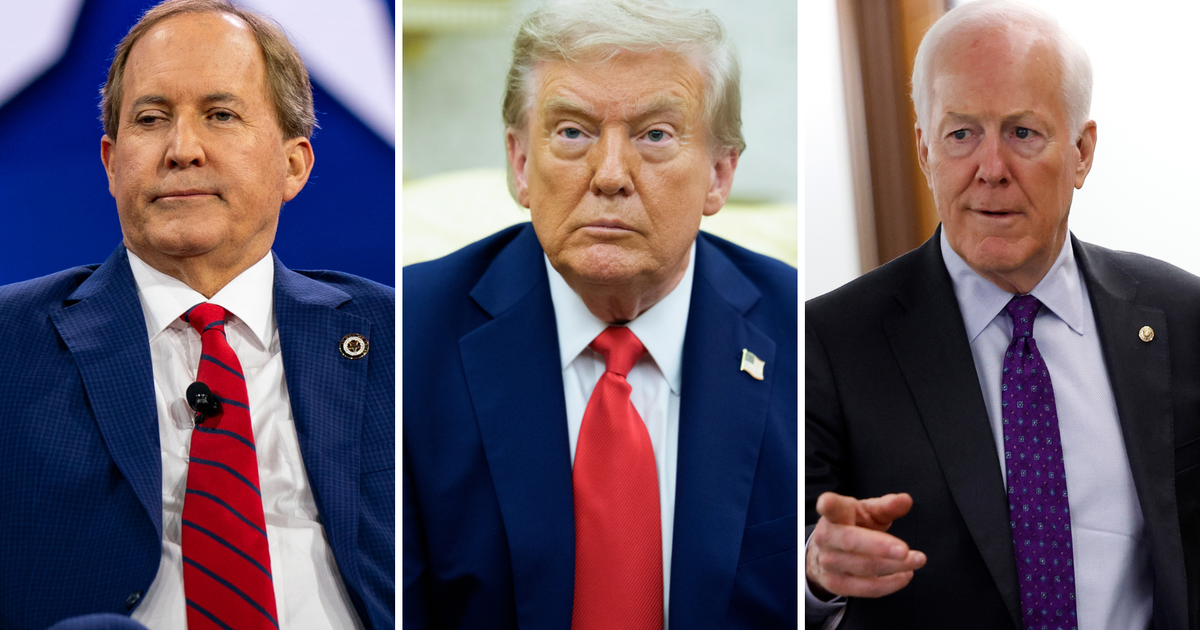
The political temperature in Texas is rising as the Republican Senate primary race heads to an unexpected second round. What was already the most expensive Senate primary in American history just got more complicated—and more expensive. Longtime Senator John Cornyn and state Attorney General Ken Paxton will face each other in a May 26 runoff after neither candidate secured the necessary 50% of votes in Tuesday’s primary election. As of Wednesday morning, with nearly all votes counted, Cornyn held a razor-thin lead of less than 30,000 votes over Paxton. Representative Wesley Hunt, who also competed in the primary, will not advance to the runoff. The narrow margin between the two frontrunners signals just how divided Texas Republicans are about their preferred candidate, setting the stage for what promises to be an intense six-week campaign period before voters return to the polls.
Trump’s Ultimatum and Call for Unity
President Donald Trump, never one to stay on the sidelines for long, made waves Wednesday when he announced plans to soon endorse one of the two remaining candidates—and called on the other to immediately drop out of the race. In a social media post characteristic of his direct communication style, Trump wrote: “I will be making my Endorsement soon, and will be asking the candidate that I don’t Endorse to immediately DROP OUT OF THE RACE! Is that fair? We must win in November!!!” The president’s message was clear: he views the ongoing Republican infighting as a distraction and potential liability heading into the general election. Trump emphasized that the intraparty battle “MUST STOP NOW,” expressing concern that while Republicans tear each other down, their Democratic opponent gets a free pass to begin general election campaigning. “We have an easy to beat, Radical Left Opponent, and we have to TOTALLY FOCUS on putting him away, quickly and decisively!” Trump declared, characterizing both candidates as having run “great races, but not good enough.” His demand that one candidate exit the race reflects his belief that a unified Republican front is essential for maintaining the Senate seat in conservative hands come November.
The Democratic Advantage
While Cornyn and Paxton prepare for another expensive and bruising battle against each other, Texas Democrats have already settled on their nominee. State Representative James Talarico emerged victorious from the Democratic primary, defeating U.S. Representative Jasmine Crockett in a contest that highlighted existing divisions within the Democratic Party. Talarico now enjoys a significant strategic advantage: while his Republican opponents continue spending money and energy attacking each other for the next six weeks, he can pivot entirely to general election mode. He’ll have time to raise funds, build name recognition across Texas’s massive geography, and craft his message for the broader electorate without worrying about a primary challenger. This head start could prove invaluable in a state where Republicans traditionally dominate but where demographic changes have been gradually shifting the political landscape. Trump and other Republican leaders clearly recognize this danger, which explains the urgency in the president’s call for one candidate to withdraw and for the party to coalesce around a single nominee.
The Complicated Backgrounds of Both Candidates
The choice facing Texas Republicans—and soon President Trump—involves two men with very different profiles and equally complicated histories. Ken Paxton has served three terms as Texas Attorney General and has positioned himself as one of Trump’s most loyal allies, particularly on issues like election integrity and border security. However, his tenure has been marred by persistent scandal. He was impeached by members of his own party in the Texas House of Representatives, though he was ultimately acquitted by the state Senate. Separately, he faces indictment in a securities fraud case that has dragged on for years. Personal controversies have also dogged him, including allegations that he had an extramarital affair, which has reportedly led to estrangement from his wife. Despite these issues, Paxton has maintained strong support among the conservative grassroots who appreciate his confrontational approach to legal battles against the Biden administration and his unwavering loyalty to Trump.
John Cornyn represents a different brand of Republican politics. He’s served multiple terms in the Senate and has been part of Republican leadership, earning him numerous allies among the Senate establishment. The Republican Senate campaign apparatus has invested millions of dollars in his campaign, viewing him as the safer, more electable choice. Cornyn brings experience, connections, and a more traditional political resume to the race. However, among Trump’s most fervent supporters, Cornyn is sometimes viewed with suspicion as being too willing to work across the aisle and not sufficiently committed to the America First agenda. His critics point to occasions when he’s diverged from Trump on policy matters, though Cornyn has generally maintained a supportive relationship with the former and current president. The fundamental question facing Republican voters is whether they prefer Paxton’s combative loyalty or Cornyn’s experienced steadiness.
The Candidates Trade Barbs as Battle Lines Form
Tuesday night’s speeches from both candidates made clear that neither intends to back down easily, regardless of what Trump ultimately decides. Cornyn took direct aim at Paxton’s character and scandals, declaring: “I refuse to allow a flawed, self-centered and shameless candidate like Ken Paxton risk everything we’ve worked so hard to build over these many years. Judgment Day is coming for Ken Paxton.” The comments reflected Cornyn’s strategy of portraying himself as the responsible choice who won’t jeopardize Republican control of the seat through personal baggage and legal troubles. Paxton, meanwhile, cast the race in populist terms, positioning himself as the people’s candidate against the establishment and big money. “They’re trying to steal the election with another $100 million going into this Senate race, but here’s what we proved tonight: While the money may be on their side, the people are on our side,” Paxton told supporters. His framing taps into the anti-establishment sentiment that remains powerful among Republican base voters who feel traditional party leadership has failed them.
Texas Republicans Navigate Divided Loyalties
The political awkwardness of the situation became evident when Texas’s other Republican Senator, Ted Cruz, announced Wednesday that he would remain neutral in the runoff. “John Cornyn is a good friend of mine, Paxton is a good friend of mine,” Cruz explained. “I have endorsed both of them previously. I’ve campaigned with both of them previously, and as I’ve said, from the beginning of this race, I’m staying out of the race. I trust the voters in Texas.” Cruz’s decision to stay on the sidelines illustrates the difficult position many Texas Republicans find themselves in—torn between loyalty to a Senate colleague and ally on one hand, and a state official who’s been a fierce fighter for conservative causes on the other. The race has split the Republican coalition, with establishment figures, major donors, and Senate leadership generally backing Cornyn, while grassroots activists, populist conservatives, and Trump’s most loyal supporters tend to favor Paxton. Trump’s previous reluctance to weigh in reflected his own conflicted feelings; he’d said he liked all three original candidates. However, GOP sources told CBS News they expect him to make an endorsement before the May runoff, believing his intervention could be decisive in settling the contest and unifying the party before the general election. Whether the candidate Trump doesn’t endorse will actually honor his request to drop out remains to be seen, but the president’s influence over Republican primary voters in Texas—where he won all three times he appeared on the ballot and received more total votes in 2024 than in any other state—gives his endorsement tremendous weight. The coming weeks will test whether Trump’s call for unity can overcome the deep divisions that have made this the most expensive and contentious Senate primary in American history.