


Trump Announces Executive Order to Restore TSA Workers’ Pay Amid Airport Crisis
Breaking Development in Federal Worker Payment Standoff
In a significant development that could bring relief to thousands of struggling federal workers, President Trump announced on Thursday his intention to sign an executive order that would reinstate paychecks for Transportation Security Administration officers. These essential airport security personnel have been working without full compensation for over a month, creating a cascading effect that has disrupted air travel across the United States. The announcement comes as airports nationwide have experienced severe staffing shortages, with frustrated TSA agents calling in sick in unprecedented numbers, leading to security checkpoint bottlenecks and lengthy delays for travelers at some of the country’s busiest transportation hubs. The situation has highlighted the human cost of budget impasses and raised questions about the treatment of federal workers who are expected to maintain national security operations even when their own financial security is in jeopardy.
The Growing Crisis at America’s Airports
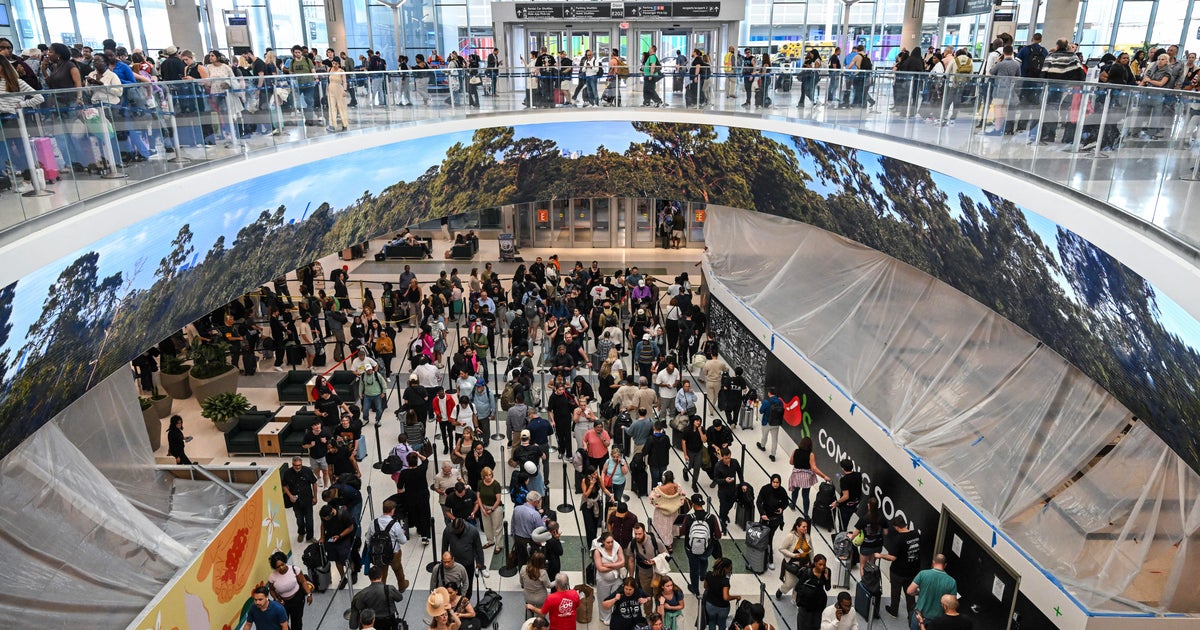
The payment disruption has created a genuine crisis at airports throughout the nation, with the effects becoming more pronounced with each passing day. Thousands of TSA officers have been absent from their posts, creating a domino effect that has impacted the travel plans of millions of Americans. Major airports have reported significantly longer wait times at security checkpoints, with some travelers missing flights despite arriving hours in advance. The situation has been particularly challenging during what is typically a busy travel period, compounding frustrations for both passengers and the remaining TSA personnel who have continued to show up for work despite not receiving their full paychecks. This workforce crisis has exposed the vulnerabilities in the nation’s airport security infrastructure and raised concerns about whether essential security protocols could be maintained when workers are facing financial hardship. The absences have not only affected operational efficiency but have also raised questions about national security, as the reduced presence of trained security personnel could potentially create gaps in the protective measures that keep air travelers safe.
The Root Cause: Department of Homeland Security Funding Lapse
The financial hardship facing TSA workers stems from a lapse in appropriations for the Department of Homeland Security, which occurred in February. When government agencies lose their funding authorization, they are unable to process regular payroll, leaving employees in a difficult position where they must choose between reporting to work without pay or staying home to seek other income sources. This situation is not entirely unprecedented in federal government operations, but it represents one of the more severe impacts on a security-focused agency with direct public-facing consequences. The Department of Homeland Security, which oversees TSA operations, is responsible for a wide range of critical national security functions, and the funding gap has created ripples throughout the organization. TSA officers, many of whom live paycheck to paycheck like millions of other American workers, have found themselves in an untenable situation—expected to perform their duties protecting the traveling public while unable to pay their own bills, put food on their tables, or meet their families’ basic needs.
President’s Justification and Legal Questions
In his announcement on the Truth Social platform, President Trump characterized the situation as a “true National Crisis” and placed responsibility for the predicament squarely on Democrats. He stated that he would be using his authorities under the law to protect the country, framing the executive order as a necessary measure to address what he views as reckless decision-making by political opponents. However, the President’s announcement left significant questions unanswered, particularly regarding the specific legal authority he intends to invoke to authorize payment to federal workers without the standard congressional appropriations process. Constitutional experts and government watchdogs will likely scrutinize the legal framework supporting such an executive order, as the power of the purse traditionally rests with Congress rather than the executive branch. The situation raises complex questions about the separation of powers and the extent of presidential authority in emergency situations. While presidents have broad powers to act in national security matters, directing payment to federal employees without appropriated funds ventures into territory that could face legal challenges and set precedents for future administrations facing similar budget impasses.
The Broader Context of Government Funding Battles
This crisis with TSA worker pay reflects a larger, ongoing challenge in American governance—the difficulty of maintaining continuity in essential government services when political parties cannot reach agreement on budget and appropriations matters. Federal workers have increasingly found themselves caught in the middle of partisan disputes, used as leverage in negotiations over policy priorities that may have little to do with their specific agencies or missions. The impact extends beyond the individuals directly affected; it ripples through entire communities where federal workers live and spend their paychecks, affecting local businesses and economies. The situation also raises questions about the sustainability of a system where essential security personnel can go without pay for extended periods, potentially driving talented individuals away from federal service and toward private sector opportunities with more financial stability. As this particular crisis hopefully moves toward resolution with the promised executive order, it serves as a reminder of the need for systemic reforms that could prevent similar situations in the future and protect both essential services and the workers who provide them.
Looking Ahead: Implementation and Implications
As this story continues to develop, attention will turn to the implementation details of President Trump’s executive order and whether it successfully provides the promised relief to TSA officers. Workers and their families anxiously await confirmation that paychecks will resume and that back pay for the missed period will be provided. Airport administrators and airline officials will be watching closely to see if the workforce returns to full strength, alleviating the operational challenges that have plagued travelers in recent weeks. The longer-term implications of this episode will likely influence discussions about government operations, emergency presidential powers, and the treatment of essential federal workers. Labor organizations representing TSA officers and other federal employees may push for stronger protections against future payment disruptions, arguing that national security personnel should never be placed in positions where they must work without compensation. Meanwhile, the legal and constitutional questions surrounding the executive order’s authority will probably generate analysis and debate among scholars, potentially resulting in court challenges that could shape the boundaries of executive power for years to come. Regardless of one’s political perspective, this situation has highlighted the real-world consequences when governmental processes break down and has put a human face on budget disputes that can sometimes seem abstract when discussed in purely political terms.