
Trump to Nominate Cameron Hamilton to Lead FEMA After Controversial Ousting
A Second Chance at Leadership
President Donald Trump is preparing to nominate Cameron Hamilton to head the Federal Emergency Management Agency (FEMA), marking a surprising return for a leader who was controversially removed from the same position less than a year ago. According to sources familiar with the administration’s plans, Hamilton—a former Navy SEAL with a background in defense contracting—is being given another opportunity to lead the critical disaster response agency. The New York Times was first to report on Hamilton’s expected nomination, which comes after a tumultuous period that saw him dismissed for defending FEMA against proposed elimination. Hamilton’s journey from acting administrator to ousted official and now back to nominee reflects the often unpredictable nature of appointments within the Trump administration and raises questions about what changed in the intervening months to warrant his return to leadership.
The Firing That Shocked Washington
Hamilton’s removal from FEMA leadership nearly a year ago sent shockwaves through the disaster management community and raised serious concerns about the timing and reasoning behind the decision. His firing came after he testified before Congress that FEMA should not be eliminated—a statement that apparently put him at odds with the administration’s broader restructuring plans. At the time, Congress was actively reviewing a Trump administration proposal that would have dramatically reduced FEMA’s budget by cutting $646 million in non-disaster grants during the 2026 fiscal year. Hamilton’s willingness to defend the agency’s existence and mission before lawmakers evidently conflicted with the administration’s cost-cutting objectives. What made the situation even more concerning was the timing: Hamilton was removed roughly three weeks before the start of the 2025 Atlantic hurricane season, a period when FEMA’s leadership and continuity become absolutely critical for preparing communities along the Eastern seaboard and Gulf Coast for potential disasters. The decision to change leadership at such a crucial juncture raised questions about priorities and preparedness within the administration.
Political Tensions and Internal Conflicts
The circumstances surrounding Hamilton’s initial departure revealed significant internal tensions within the Department of Homeland Security and the broader Trump administration. Reports indicate that Hamilton had a difficult relationship with Corey Lewandowski, who served as a senior adviser at the Department of Homeland Security at the time. Lewandowski, a longtime Trump confidant known for his combative style and loyalty to the president, ultimately carried out Hamilton’s firing at the direction of then-DHS Secretary Kristi Noem. This dynamic illustrated the complex web of personal relationships, political loyalties, and policy disagreements that often characterize decision-making in high-level government appointments. Despite this conflict with Lewandowski and the circumstances of his removal, Hamilton apparently maintained strong relationships with other influential figures within the Trump orbit. These enduring alliances may help explain why he is now being given a second opportunity to lead FEMA, suggesting that his departure was less about competence or performance and more about political positioning and internal power struggles at a specific moment in time.
Hamilton’s Background and Qualifications
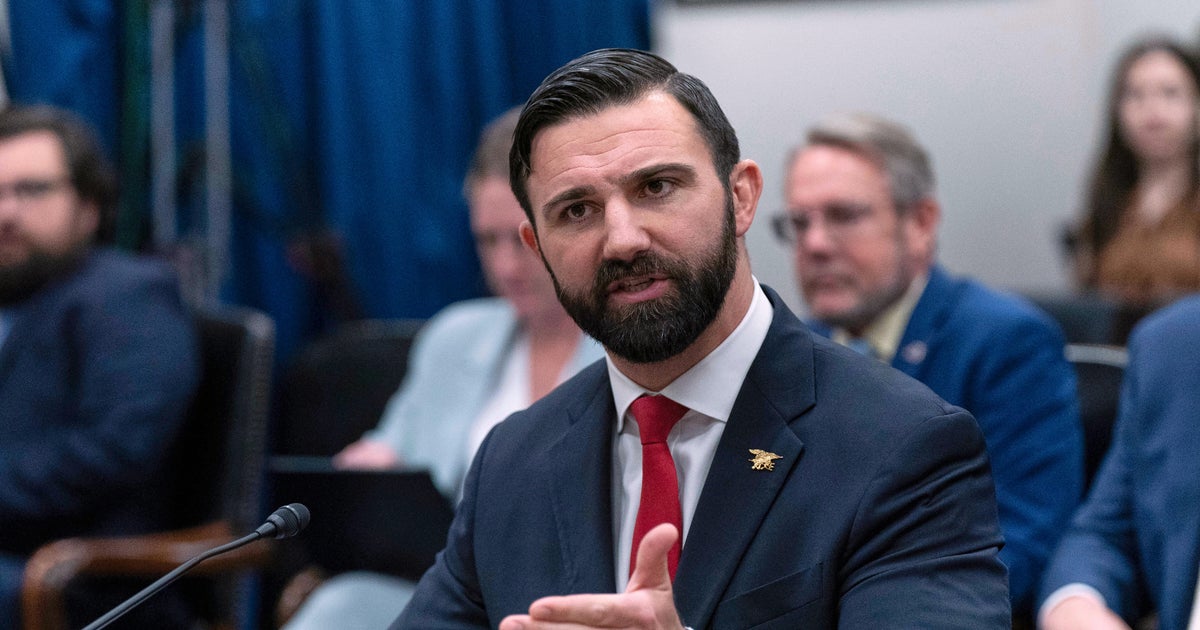
Cameron Hamilton brings a distinctive background to the FEMA administrator position, though his qualifications have been subject to debate. As a former Navy SEAL, Hamilton has experience with high-pressure situations, rapid decision-making, and coordinating complex operations—skills that can translate well to disaster response management. After his military service, he worked for a defense contractor, giving him experience in the private sector and potentially valuable insights into how government agencies can work with commercial partners during emergencies. Hamilton also previously ran for Congress in Virginia, though unsuccessfully, which gave him exposure to political processes and constituent concerns. However, critics have questioned whether his resume includes sufficient experience specifically in emergency management, disaster response coordination, and the complex federal-state-local relationships that define FEMA’s work. The agency requires leadership that understands not just operational logistics but also the intricate funding mechanisms, legal frameworks, and intergovernmental cooperation that make effective disaster response possible. Hamilton’s previous tenure as acting administrator, though brief and ending in controversy, did give him direct experience with the agency’s operations and challenges.
FEMA’s Critical Role and Recent Challenges
The Federal Emergency Management Agency plays an absolutely vital role in American public safety, coordinating responses to hurricanes, wildfires, floods, tornadoes, and other natural disasters, as well as human-caused emergencies. In recent years, the frequency and intensity of natural disasters have increased, placing greater demands on FEMA’s resources and capabilities. The agency coordinates with state and local governments, manages disaster relief funding, provides temporary housing for displaced residents, and helps communities rebuild after catastrophic events. Beyond immediate response, FEMA also works on disaster preparedness, mitigation efforts to reduce future risks, and long-term recovery planning. The Trump administration’s proposal to significantly reduce FEMA’s non-disaster grants raised concerns among emergency management professionals, who argue that investing in preparedness and mitigation actually saves money in the long run by reducing disaster impacts. Hamilton’s previous testimony defending the agency against elimination suggested he understood FEMA’s importance, even when that position conflicted with administration priorities. If confirmed, he will face the challenge of balancing political pressures for budget cuts with the operational reality that effective emergency management requires sustained investment.
Looking Ahead: What Hamilton’s Return Means
Hamilton’s expected nomination raises important questions about the future direction of FEMA and the administration’s evolving approach to emergency management. Neither the White House nor the Department of Homeland Security has officially confirmed the nomination, with a DHS spokesperson stating only that “DHS has no personnel announcements to make at this time.” This calculated silence is typical of the period before formal nominations are announced. If Hamilton is indeed nominated and subsequently confirmed by the Senate, his return to FEMA leadership will be closely watched by emergency management professionals, state and local officials, and lawmakers concerned about disaster preparedness. Key questions include whether he will again advocate for the agency’s full funding and mission, or whether he will be expected to implement the budget reductions he previously seemed to oppose. His relationship with current DHS leadership and whether the conflicts that led to his previous firing have been resolved will also be important factors in determining his effectiveness. Perhaps most significantly, Hamilton’s return could signal either that the administration has softened its stance on dramatically restructuring FEMA, or conversely, that Hamilton has agreed to implement changes he previously resisted. As climate change continues to intensify natural disasters and as Americans increasingly depend on federal assistance during emergencies, the leadership of FEMA carries enormous consequences for public safety and community resilience across the nation. Hamilton’s second opportunity to lead the agency will test both his capabilities and the administration’s commitment to effective disaster response.