
Trump Administration Signals Potential Support for Israeli Strikes on Iran
Behind-the-Scenes Discussions at Mar-a-Lago
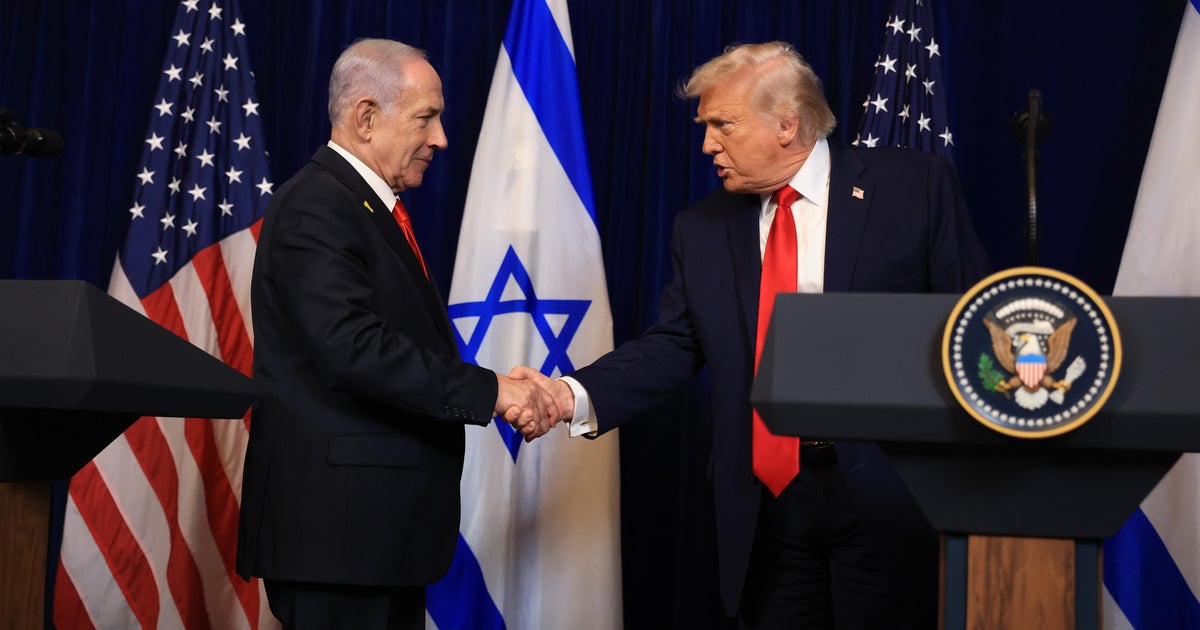
In a significant development that could reshape Middle Eastern geopolitics, President Trump reportedly gave Israeli Prime Minister Benjamin Netanyahu a crucial assurance during their December meeting at Mar-a-Lago. According to sources who spoke with CBS News under the condition of anonymity, Trump told Netanyahu that he would back Israeli military strikes against Iran’s ballistic missile facilities if diplomatic negotiations between Washington and Tehran fail to produce results. This private conversation, which took place months ago, has now evolved into active planning discussions within America’s highest military and intelligence circles. The revelation of this commitment demonstrates the Trump administration’s willingness to support aggressive action against Iran’s military capabilities, particularly its missile program, which has long been a source of concern for both the United States and Israel. This potential agreement marks a significant shift in how the U.S. might engage with the Iranian threat, moving beyond diplomatic pressure to considering direct military support for Israeli operations.
Military Planning Moves from Theory to Practice
Two months after that pivotal Mar-a-Lago meeting, the wheels of military planning have begun turning in earnest. Senior figures within the U.S. military and intelligence community have started serious internal discussions about how America might support a new round of Israeli strikes against Iranian targets. According to U.S. officials with knowledge of these deliberations, the conversations have moved beyond the theoretical question of whether Israel could or should act independently. Instead, American strategists are now focusing on the practical details of how the United States could assist in such an operation. The discussions have centered on critical logistical support, including the provision of aerial refueling capabilities for Israeli aircraft, which would be essential for long-distance strikes deep into Iranian territory. Perhaps even more complex is the delicate diplomatic challenge of securing overflight permissions from countries along the potential flight path. This logistical planning reveals just how seriously the administration is taking the possibility of military action, even as diplomatic channels remain open.
Regional Complications and Diplomatic Challenges
The matter of securing cooperation from regional allies presents a significant diplomatic hurdle. Countries that would likely fall along the flight path to Iran—including Jordan, Saudi Arabia, and the United Arab Emirates—have all made public statements declaring they would not permit their airspace to be used for strikes against Iran or for Iranian retaliatory strikes against other nations. This public reluctance creates a complicated diplomatic puzzle for American and Israeli planners. These countries walk a tightrope, maintaining relationships with the United States while trying to avoid becoming targets of Iranian retaliation or appearing to facilitate attacks on a neighboring Muslim-majority nation. The gap between what these countries say publicly and what they might agree to privately remains one of the operation’s biggest unknowns. The challenge of securing these overflight permissions underscores the regional sensitivities surrounding any potential military action against Iran and the complex web of relationships that define Middle Eastern geopolitics.
Show of Force: Aircraft Carriers Deploy to the Middle East
While diplomatic discussions continue, the United States has simultaneously begun a visible show of military force directed at Iran. CBS News reported that the USS Gerald R. Ford, America’s newest and most advanced aircraft carrier, along with its accompanying flotilla of warships, is being dispatched to the Middle East. This deployment comes from the Caribbean and will join the already substantial American military presence in the region. Four U.S. officials confirmed that this carrier strike group would bring formidable firepower within striking distance of Iran precisely at a moment when tensions are particularly high. The deployment of a second carrier strike group sends an unmistakable message about American resolve and military readiness. President Trump himself framed this naval movement as prudent preparation, describing it as insurance should negotiations with Iran collapse. By positioning such significant military assets in the region, Trump appears to be following a strategy of negotiating from a position of overwhelming strength, ensuring that the threat of military action remains credible while diplomats work to find a peaceful solution.
Diplomatic Efforts Continue Amid Military Preparations
Despite the military preparations and tough talk, the Trump administration continues to pursue diplomatic negotiations with Tehran over its nuclear program. This two-track approach—combining the threat of force with genuine diplomatic engagement—reflects the complexity of dealing with Iran. U.S. Secretary of State Marco Rubio stated Sunday that he “has made clear he prefers diplomacy” regarding Iran, confirming that U.S. envoy Steve Wiktoff and Jared Kushner are traveling to the region “to have important meetings” with Iranian counterparts. Iranian officials have indicated a conditional willingness to scale back some aspects of their uranium enrichment program in exchange for relief from the crushing economic sanctions that have devastated Iran’s economy. However, the exact parameters of what Iran would agree to remain unclear, and these preliminary discussions have not yet produced any written agreement or formal framework. The U.S. and Iran are scheduled to hold a second round of nuclear talks in Geneva on Tuesday, with Iranian state media reporting that Foreign Minister Abbas Araghchi and his delegation are already en route for these indirect negotiations. These talks represent a critical opportunity to prevent military conflict, though significant gaps remain between the positions of both sides.
Netanyahu’s Skepticism and Expanding Demands
Israeli Prime Minister Netanyahu remains deeply skeptical about the prospects of successful diplomacy with Iran, a position he has maintained consistently throughout his political career. He flew to Washington last Wednesday for direct talks with President Trump, using the opportunity to publicly outline Israel’s demands for any potential agreement. Netanyahu has insisted that any accord with Iran must extend beyond nuclear issues to include strict restrictions on Iran’s ballistic missile program and prohibitions on Iranian funding of proxy forces throughout the region—groups like Hezbollah in Lebanon, Hamas in Gaza, and various militias in Syria, Iraq, and Yemen. These additional demands would significantly expand the scope of negotiations beyond the nuclear program itself, potentially making an agreement much more difficult to achieve. Netanyahu’s position reflects Israel’s broader security concerns about Iranian influence across the Middle East, not just Tehran’s nuclear ambitions. His public statements serve multiple purposes: they pressure the Trump administration to take a harder line in negotiations, they reassure the Israeli public that their security concerns are being prioritized, and they signal to Iran that Israel will not accept a limited deal that addresses only nuclear enrichment while leaving other threats intact. As diplomatic efforts continue in Geneva and military preparations advance simultaneously, the coming weeks will prove critical in determining whether this crisis can be resolved through negotiation or whether the region is headed toward another military confrontation with potentially devastating consequences for the entire Middle East.