
Trump’s Push for Voter ID: Understanding the Constitutional Clash Over Election Rules
President Takes Aim at Midterm Elections Despite Congressional Roadblocks
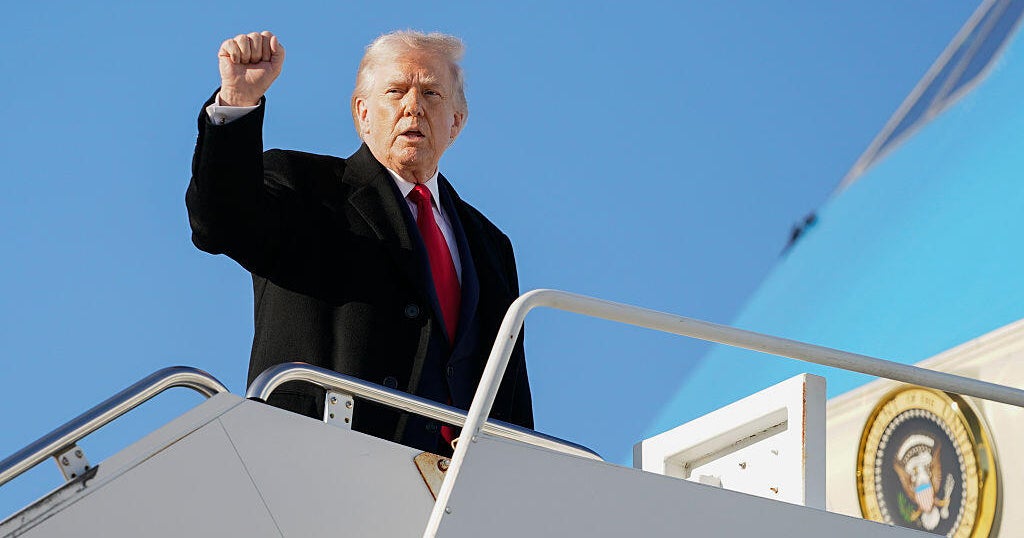
President Trump made waves this Friday with a bold declaration that he intends to implement voter identification requirements for the upcoming November midterm elections, regardless of whether Congress gives its approval. Taking to his Truth Social platform, the president didn’t mince words: “There will be Voter I.D. for the Midterm Elections, whether approved by Congress or not!” His announcement went beyond just requiring identification at the polls—he’s also calling for proof of citizenship and wants to eliminate mail-in ballots, though he mentioned there might be some exceptions to that ban. This isn’t just political posturing; Trump is promising to back up his words with action through an executive order that he says will be coming soon. In his characteristically emphatic style, he declared this an issue that “must be fought, and must be fought, NOW!” The president’s argument rests on his long-standing claim that voter fraud has tilted elections in Democrats’ favor, though it’s worth noting that he’s never produced concrete evidence to support these allegations. The reality, according to election security experts and research, is that cases of noncitizens casting ballots are incredibly uncommon and already against the law.
The Constitutional Question: Can a President Rewrite Election Rules?
Here’s where things get legally complicated and constitutionally significant. Election law experts and legal scholars have been pretty unanimous in their assessment: the president simply doesn’t have the authority to unilaterally change how elections are conducted. This isn’t just their opinion—there’s already legal precedent supporting this view. Just last year, a federal judge struck down Trump’s previous attempt to require proof of citizenship for voter registration in federal elections when he tried to do it through executive order. The judge’s ruling was clear and instructive, cutting right to the heart of American constitutional structure. In the decision, the judge wrote that “Our Constitution entrusts Congress and the states — not the president — with the authority to regulate federal elections.” This isn’t a minor technical detail; it’s a fundamental principle of how American democracy operates. The judge went further, pointing out that this division of power is intentional and important, noting that “Congress is currently debating legislation that would effect many of the changes the president purports to order.” The ruling essentially said that no existing law gives the executive branch permission to bypass “Congress’s deliberative process by executive order” when it comes to election regulations. This creates a significant legal obstacle to Trump’s announced plans.
What Congress Has Been Doing: The SAVE America Act
While the president threatens to go it alone, Congress has actually been working on related legislation through normal channels. Earlier this week, the House of Representatives passed what they’re calling the SAVE America Act, which contains some of the strictest voter identification requirements ever proposed at the federal level. This bill goes considerably beyond what most states currently require. Under this legislation, anyone wanting to register to vote in federal elections would need to appear in person and present proof of U.S. citizenship—documents like a passport or birth certificate. But it doesn’t stop there. The bill also mandates that voters show a photo ID when they actually cast their ballot, and here’s the kicker: that photo ID must also contain proof of citizenship. This creates a pretty high bar that not all Americans would easily clear, since many forms of common identification, like driver’s licenses in most states, don’t necessarily prove citizenship status. The legislation represents a significant shift in how voter eligibility would be verified across the country.
The Political Divide and Concerns About Voter Access
Unsurprisingly, this legislation has become a political flashpoint, with Democrats raising serious concerns about its potential impact. Their warning is stark: they believe this bill could prevent tens of millions of eligible American voters from exercising their constitutional right to vote. The concern isn’t theoretical—many Americans, particularly those from lower-income communities, elderly citizens, and minority populations, may not have easy access to the documents this law would require. Getting a passport costs money and time. Birth certificates can be difficult to obtain, especially for older Americans or those born in rural areas where record-keeping was less systematic. The photo ID requirement adds another layer of difficulty for people who might not drive or travel frequently. Critics of the legislation argue that while it’s framed as preventing fraud, it’s actually solving a problem that doesn’t really exist while creating barriers for legitimate voters. The debate touches on fundamental questions about American democracy: How do we balance election security with ensuring every eligible citizen can participate? Who gets to decide what’s “secure enough,” and at what point do security measures become obstacles to democratic participation?
The Senate Roadblock and What Happens Next
Despite passing the House, the SAVE America Act faces a mathematical reality in the Senate that makes its passage highly unlikely. The legislation needs 60 votes to overcome a filibuster and move forward, and there’s simply no indication those votes exist. The Senate remains divided on this issue largely along party lines, with Democrats opposed to what they see as unnecessary restrictions that would disenfranchise voters, and Republicans supporting measures they argue are needed to ensure election integrity. This legislative stalemate is precisely why President Trump is talking about taking unilateral action through executive order—he sees Congress as unable or unwilling to act on what he considers a critical issue. However, his path forward is fraught with legal challenges. Any executive order he issues on this topic would almost certainly face immediate legal challenges in federal court, and based on last year’s ruling, the odds of such an order surviving judicial scrutiny seem slim. The coming weeks and months will likely see this issue play out in multiple arenas: the political realm, where both parties will use it to energize their bases heading into the midterms; the legal system, where constitutional questions about presidential authority will be debated; and potentially in the court of public opinion, as Americans decide how they feel about changing election rules.
Understanding the Bigger Picture: Democracy, Security, and Access
Taking a step back from the immediate political fight, this controversy raises important questions that go beyond partisan politics. Every democracy faces the challenge of making elections both accessible and secure—these aren’t necessarily opposing goals, but finding the right balance is genuinely difficult. There’s no question that election integrity matters; people need to have confidence that elections reflect the will of eligible voters. At the same time, American history is full of examples where voting restrictions, sometimes presented as security measures, were actually designed to prevent certain groups from participating in democracy. The data on actual voter fraud—particularly fraud that would be prevented by stricter ID requirements—shows it’s exceptionally rare. When cases do occur, they’re typically caught and prosecuted under existing laws. On the other hand, research has shown that strict ID requirements do reduce turnout, particularly among certain demographic groups. As this debate continues, it’s worth remembering what’s at stake: the fundamental right of Americans to participate in choosing their government. Whether through congressional action or executive order, any changes to election procedures should be carefully considered for their real-world impact on both security and access. The president’s promise to act unilaterally, regardless of congressional approval, sets up a constitutional confrontation that will test the boundaries of executive authority and could have lasting implications for how American elections are conducted.