


President Trump’s Prime-Time Address: Updates on Iran Conflict and NATO Tensions
The Current State of Operation Epic Fury
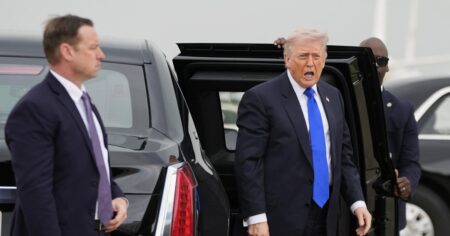
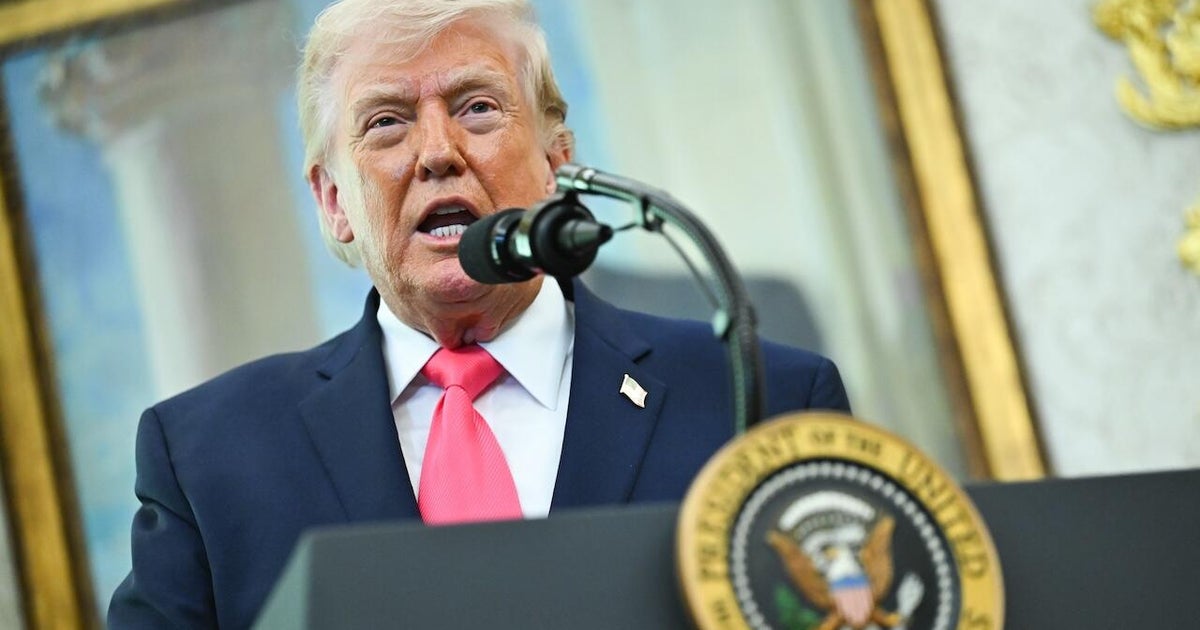
President Trump addressed the nation in a highly anticipated prime-time speech Wednesday evening, providing updates on the ongoing military operation in Iran while also delivering sharp criticism of America’s NATO allies. After more than a month of intense military engagement—33 days to be precise—the president announced that Operation Epic Fury would continue for approximately two to three more weeks before U.S. forces complete their mission and return home. This timeline represents a significant development in what the administration initially described as a four-to-six-week operation conducted jointly with Israeli forces. Despite the extended timeline pushing beyond the original six-week estimate, President Trump maintained that the military campaign is proceeding ahead of schedule and achieving its objectives more rapidly than anticipated. The president also left the door open for an even earlier conclusion, suggesting that if diplomatic negotiations produce results, American forces could withdraw sooner than expected.
Military Achievements and Operational Goals
According to White House officials briefing reporters ahead of the president’s address, the administration plans to emphasize the remarkable success of U.S. military operations in achieving every major objective outlined before Operation Epic Fury commenced. These accomplishments include the substantial destruction of Iran’s naval capabilities, the dismantling of Tehran’s network of regional proxy groups that have long destabilized the Middle East, and establishing safeguards to prevent Iran from ever obtaining nuclear weapons. Officials stressed that the military campaign has not only met but exceeded all benchmarks established at the operation’s outset, demonstrating the effectiveness of American military power and strategic planning. The systematic degradation of Iran’s military infrastructure has fundamentally altered the balance of power in the region, according to administration sources. However, the human and financial costs of these achievements remain subjects of intense debate among lawmakers and the American public, particularly as the operation’s economic ripple effects become increasingly evident in everyday life across the United States.
Military Presence and Future Options
Despite talk of withdrawal timelines, the United States has significantly expanded its military footprint in the Middle East, positioning forces for potential escalation if circumstances require. According to sources familiar with military deployments, hundreds of elite Special Operations Forces, thousands of Marines, and Army paratroopers are now stationed throughout the region, providing President Trump with a range of military options should he decide to broaden the scope of operations. These forces could be deployed for several high-priority missions, including efforts to forcibly reopen the strategically vital Strait of Hormuz, which Iran has effectively closed to international shipping. Additional potential targets include Iran’s critical Kharg Island oil terminal, which serves as a major export facility, and operations to locate and seize Iran’s stockpiles of enriched uranium. Interestingly, President Trump told Reuters that he isn’t particularly concerned about Iran’s highly enriched uranium stored deep underground in fortified tunnels, much of which lies buried beneath rubble from previous American airstrikes conducted last summer. The president explained that satellite surveillance would suffice for monitoring purposes, apparently dismissing the need for risky ground operations that would be required to physically secure these materials—even though, if further enriched, they could theoretically be used in nuclear weapons. This position seems somewhat contradictory to one of the operation’s stated primary goals: ensuring Iran never obtains nuclear capability. It’s worth noting that U.S. intelligence assessments from last year concluded that Iran was not actively pursuing the development of nuclear weapons.
NATO Tensions and Alliance Fractures
Beyond discussing Iran, President Trump’s address also took aim at America’s traditional NATO allies, expressing profound frustration with what he characterized as their failure to assist the United States in reopening the Strait of Hormuz. This critical waterway normally facilitates the passage of approximately one-fifth of the world’s oil supply, and its closure by Iran has severely disrupted global energy markets and sent oil prices skyrocketing. The president didn’t mince words when discussing the transatlantic alliance formed in the aftermath of World War II to counter Soviet expansion and promote collective security. When asked directly, Trump confirmed he is “absolutely” considering withdrawing the United States from the treaty organization, citing allies’ refusal to help with the strait as justification for such a dramatic move. Speaking with CBS News senior White House correspondent Weijia Jiang, the president indicated he wasn’t “quite yet” prepared to completely abandon efforts to pressure Iran into reopening the vital shipping lane to all international traffic. However, his message to European and Asian allies was unmistakable: countries dependent on Middle Eastern oil “have to come in and take care of it” themselves. “Iran has been decimated, but they’re going to have to come in and do their own work,” Trump declared, making clear his expectation that other nations should shoulder more of the burden. Earlier in the conflict, the president had suggested he might intensify attacks on Iran’s energy infrastructure if Tehran continued blocking access to the Strait of Hormuz, though he now seems to be shifting responsibility to allies rather than pursuing further American military escalation.
Economic Impact on American Families
The conflict in Iran is having tangible and painful effects on American households at a time when public confidence in the economy remains shaky. This week, the average price for a gallon of gasoline in the United States crossed the $4 threshold for the first time in nearly four years, a development that’s straining family budgets from coast to coast. Diesel fuel prices have climbed even more dramatically, and because diesel powers the trucks that transport goods across the country, economists warn that consumer prices for everyday items will likely rise in tandem. The economic pain from the war has contributed to growing public skepticism about the military operation. A CBS News poll conducted last month revealed that most Americans oppose the Iran campaign, with 60% disapproving of U.S. military action and an even larger majority—67%—saying they’re unwilling to pay higher gas prices to support the conflict. The poll did show strong support among Republican voters, reflecting the partisan divide that characterizes most major policy issues today. When questioned about soaring fuel costs, President Trump offered a straightforward solution: “All I have to do is leave Iran, and we’ll be doing that very soon, and they’ll come tumbling down.” This statement suggests the president views rapid military withdrawal as the key to lowering gas prices and easing the economic burden on American families, though energy analysts debate whether prices would drop as quickly as he suggests.
Looking Ahead: Uncertainty and Questions
As Operation Epic Fury enters what the administration describes as its final phase, numerous questions remain about the conflict’s ultimate outcome and lasting consequences. Will the two-to-three-week timeline hold, or will unforeseen circumstances extend American involvement? Can diplomatic negotiations produce an agreement that allows for face-saving exits by both sides? What will be the long-term impact on Iran’s military capabilities and regional influence? How will NATO allies respond to President Trump’s threats of American withdrawal from the alliance, and what would such a historic rupture mean for transatlantic relations and global security? Perhaps most importantly for everyday Americans, when will gas prices return to more affordable levels, and what broader economic effects will this conflict have on an already fragile economic recovery? The president’s address aimed to project confidence and success, emphasizing military achievements while setting expectations for a relatively swift conclusion. However, the reality on the ground in the Middle East, the complex diplomatic challenges, and the domestic economic and political pressures suggest that the path forward may be more complicated than the administration’s optimistic timeline indicates. As Americans watch gas prices at their local stations and debate the merits of military intervention, the coming weeks will be crucial in determining whether Operation Epic Fury is remembered as a decisive success or a costly miscalculation with long-lasting consequences for American power, prosperity, and global standing.