


Cuba’s Deepening Fuel Crisis: A Nation on the Brink
Airlines Warned as Jet Fuel Runs Dry Across the Island
Cuba is facing one of its most severe energy crises in decades, with aviation officials announcing that jet fuel will be unavailable at nine airports across the island, including the capital’s main José Martí International Airport in Havana. The shortage, set to begin Tuesday and last until at least March 11, marks a dramatic escalation in the Caribbean nation’s ongoing struggle to secure petroleum resources. This development represents far more than an inconvenience for travelers—it’s a symptom of a much larger crisis that threatens to cripple Cuba’s vital tourism industry and push the already struggling economy to a breaking point. The fuel shortage comes as direct fallout from President Trump’s aggressive stance toward Latin America, particularly his executive order threatening tariffs on any country that sells or provides oil to Cuba. This political pressure has effectively cut off Cuba’s access to its traditional petroleum suppliers in Venezuela and Mexico, leaving the island scrambling for alternatives and forcing officials to implement strict rationing measures that are reverbealing across every sector of society.
Trump’s Economic Pressure and Mexico’s Difficult Position
The Trump administration’s hardline approach has put enormous pressure on Mexico, which has served as an oil lifeline for Cuba in recent years. The relationship between Mexico and Cuba has been one of solidarity, with Mexico viewing support for its Caribbean neighbor as a matter of principle despite Cuba’s status as a U.S. adversary. However, this position has created significant tension, as Mexican President Claudia Sheinbaum attempts to maintain a positive relationship with President Trump while honoring her country’s commitment to Cuba. The executive order signed by Trump in late January essentially forces countries to choose between doing business with the United States or supporting Cuba—a choice that carries enormous economic consequences for any nation that depends on American markets. Despite the mounting pressure and speculation that Mexico would slash oil shipments to Cuba, President Sheinbaum made a bold statement on Monday, declaring that Mexico would actually increase its support for the island nation. As more than 800 tons of humanitarian aid were loaded onto Mexican Navy ships bound for Cuba, Sheinbaum called Trump’s policies “unfair” and announced that Mexico was taking diplomatic steps to resume oil shipments. Her words reflected both humanitarian concern and political defiance: “No one can ignore the situation the Cuban people are currently experiencing due to the sanctions being imposed by the United States on any country that sends oil, in a very unfair manner.” This stance demonstrates the complex geopolitical calculations at play, as Mexico weighs its relationship with the United States against its principles of sovereignty and regional solidarity.
Airlines Scramble to Adjust Operations
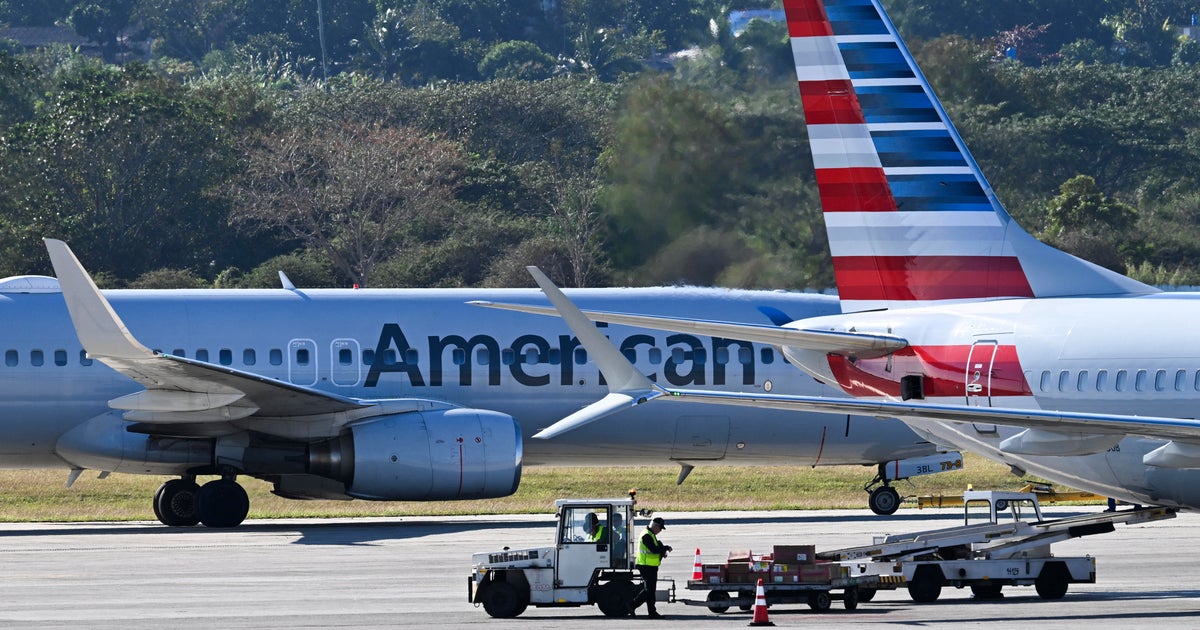
The practical impact of Cuba’s fuel shortage is forcing airlines to make significant operational adjustments, with some carriers suspending service entirely while others implement creative workarounds. Air Canada announced on Monday that it was suspending flights to the island altogether, a decision that deals a serious blow to Cuba’s tourism sector, which has long relied on Canadian visitors as a crucial source of revenue. Other airlines have announced they will make layovers in the Dominican Republic to refuel before continuing to Havana, adding hours to journey times and complicating logistics. For pilots and aviation professionals, the situation is unprecedented in its scope and official acknowledgment. While refueling issues have occurred sporadically in the past, one pilot noted that an official announcement of this scale is extraordinary even for Cuba, an island that has become accustomed to operating in a state of perpetual crisis. The last time similar cuts occurred—more than a decade ago—aircraft bound for Europe had to refuel in Nassau, Bahamas, a costly and time-consuming detour. Now, airlines are exploring various strategies to maintain service: regional carriers with shorter routes can bring extra fuel, while others might refuel in Cancun, Mexico, or various locations in the Dominican Republic. Major U.S. carriers have each responded differently. Delta Air Lines initially said it was not aware of any issues, while Southwest Airlines confirmed that its single daily flight to Havana would carry enough fuel to reach its next destination without refueling in Cuba. American Airlines stated it was “closely monitoring the situation,” a cautious response that suggests the airline is preparing for potential service disruptions. These operational challenges present more than mere inconvenience—they represent a significant threat to the long-haul routes from countries like Russia and Canada that form a critical pillar of Cuba’s tourism economy, an industry that once generated $3 billion in annual revenue and served as one of the country’s most vital economic lifelines.
The Broader Energy Emergency Affecting Daily Life
Beyond the aviation sector, Cuba’s energy crisis is devastating daily life for ordinary Cubans in ways that extend far beyond international travel concerns. Bank hours have been reduced, cultural events suspended, and Havana’s public bus system has effectively ground to a halt, leaving residents stranded as they face endemic power outages and grueling fuel lines that stretch for hours. The energy emergency has forced the cancellation of major cultural events, including this weekend’s Havana International Book Fair, a beloved annual tradition that brings together writers and readers from across Latin America. The national baseball season, deeply important to Cuban culture, has been restructured for greater efficiency, while some banks have cut operating hours to conserve energy. Fuel distribution companies have announced they will no longer sell gasoline in Cuban pesos, instead requiring payment in dollars and limiting purchases to about five gallons per user—a policy that effectively prices fuel out of reach for many ordinary Cubans who don’t have access to foreign currency. These measures add to additional restrictions announced Friday, including cuts to bus transportation and limited train departures, creating a transportation crisis that makes it difficult for people to get to work, school, or medical appointments. On Thursday, Cuban President Miguel Díaz-Canel delivered a two-hour televised address acknowledging the severity of the crisis and warning that more drastic measures would be announced in the coming days, though he provided few specifics about how the government planned to address the fundamental problem of securing adequate fuel supplies.
Historical Context and Comparison to the Special Period
For many Cubans, particularly those old enough to remember the 1990s, the current crisis evokes painful memories of the Special Period, the severe economic depression that followed the collapse of the Soviet Union and the resulting cuts in aid that Cuba had depended on for decades. During that dark chapter, Cubans faced widespread food shortages, regular power outages, and a dramatic decline in living standards that forced families to make impossible choices about basic necessities. Now, with power outages lasting up to ten hours per day, severe fuel shortages for vehicles, and a lack of food and medicine, many Cubans see disturbing parallels to that earlier crisis. U.S. sanctions against Cuba have been in place for more than six decades, creating a baseline of economic difficulty that has long stunted the island’s development and limited its ability to trade freely with much of the world. However, these sanctions reached new extremes following a U.S. military operation that deposed former Venezuelan President Nicolás Maduro, who had been one of Cuba’s most important allies and petroleum suppliers. The loss of Venezuelan oil, combined with President Trump’s increasingly confrontational tone toward Latin America and his specific targeting of countries that support Cuba, has created a perfect storm of economic pressure that the island’s aging infrastructure and limited resources are ill-equipped to withstand. The comparison to the Special Period is particularly chilling for younger Cubans who have only heard stories of that era, while for older generations it represents a return to circumstances they hoped never to experience again.
International Responses and Cuba’s Uncertain Future
As Cuba struggles with this multifaceted crisis, international responses have been varied, reflecting the complex geopolitical considerations at play. China, which maintains close ties with Cuba and has increased its economic engagement with the island in recent years, issued a statement Tuesday affirming its support. A spokesperson for the Chinese foreign ministry told reporters that Beijing “firmly supports Cuba in safeguarding its national sovereignty and security, and opposes foreign interference,” adding that China would “always provide support and help to the Cuban side to the best of our ability.” However, the practical extent of that support remains unclear, particularly given China’s own complex economic relationship with the United States. Mexican President Sheinbaum’s commitment to increasing humanitarian aid and resuming oil shipments represents significant support, but it also carries political risks as she navigates her relationship with the Trump administration. The question of how long the current fuel rationing will remain in effect remains unanswered, as Cuban officials have made no public comments providing specific timelines or solutions beyond Díaz-Canel’s acknowledgment of the crisis. For the Cuban people, the immediate future looks increasingly difficult, with basic necessities becoming harder to obtain and the infrastructure that supports daily life deteriorating under the strain. The tourism industry, which had shown signs of recovery in recent years and represented one of the few bright spots in the Cuban economy, now faces an uncertain future as airlines cancel routes and visitors reconsider travel plans to a destination where basic services cannot be guaranteed. The combination of political isolation, economic sanctions, and the practical reality of fuel shortages creates a situation where short-term solutions seem inadequate and long-term prospects remain deeply uncertain, leaving eleven million Cubans to weather yet another crisis in a nation that has become all too familiar with hardship.