


Trump’s Signature to Appear on U.S. Currency: An Historic First for a Sitting President
A Groundbreaking Announcement from the Treasury Department
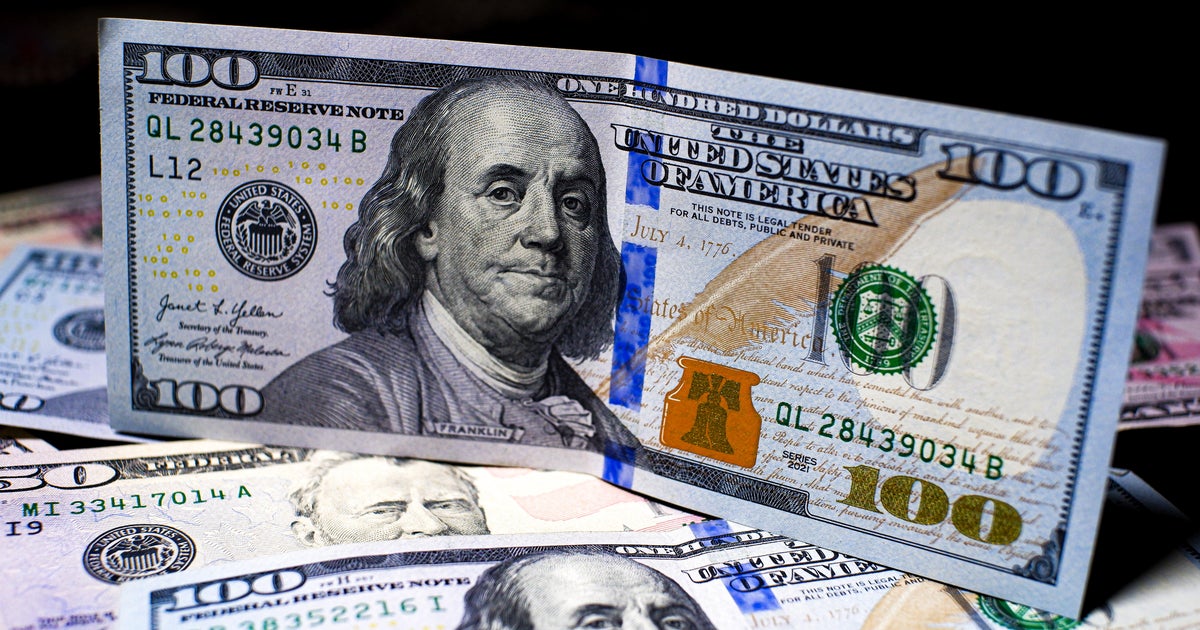
In a move that breaks with centuries of American tradition, the Treasury Department announced Thursday that President Donald Trump’s signature will be added to newly printed U.S. paper currency. This unprecedented decision marks the first time in the nation’s history that a sitting president’s signature will grace American dollar bills. According to the Treasury Department, this historic change is being implemented to commemorate the 250th anniversary of American independence, a milestone the country celebrates in 2025. Treasury Secretary Scott Bessent defended the decision with enthusiastic language, stating that “there is no more powerful way to recognize the historic achievements of our great country and President Donald J. Trump than U.S dollar bills bearing his name.” The new currency design, which will feature both President Trump’s signature alongside Secretary Bessent’s, is set to roll out sometime this year, though specific details about the timeline and denominations affected have not yet been released to the public.
Breaking With Historical Precedent
The significance of this change cannot be overstated when considering the long-standing traditions surrounding American currency. For generations, U.S. paper money has carried only the signatures of Treasury officials—specifically the Treasury Secretary and the U.S. Treasurer—never those of sitting presidents. This practice has been maintained regardless of political party or presidential popularity, establishing a clear separation between the executive office and the nation’s monetary symbols. The tradition reflects a broader American principle that currency represents the enduring strength and stability of the nation itself, rather than any individual leader or administration. By adding President Trump’s signature to bills that will circulate for years or even decades, the Treasury Department is fundamentally altering this relationship between the presidency and national currency. U.S. Treasurer Brandon Beach endorsed the controversial decision, calling it “not only appropriate, but also well deserved,” though he did not elaborate on the specific achievements that justified this departure from tradition. Critics will likely point to this break with precedent as concerning, while supporters may view it as a fitting tribute to the current administration’s vision for America.
Part of a Broader Pattern of Personal Branding
This currency announcement doesn’t exist in isolation but rather represents the latest chapter in a broader effort by President Trump to associate his name and image with American institutions and landmarks. Since the beginning of his second term in office, the president has systematically sought to attach his personal brand to various prominent federal entities. Perhaps the most notable example came with the renaming of the Kennedy Center, Washington D.C.’s renowned performing arts venue, which was rechristened the Trump-Kennedy Center. This change sparked considerable debate about the appropriateness of renaming an institution that had honored the legacy of President John F. Kennedy for decades. Additionally, President Trump’s name was added to the U.S. Institute of Peace building in December, further demonstrating this pattern of personal identification with government institutions. These naming initiatives suggest a deliberate strategy to create lasting associations between the Trump presidency and American civic life, extending his influence beyond his time in office. The approach represents a distinctive style of presidential legacy-building that prioritizes name recognition and visible markers of influence over more traditional methods such as policy achievements or diplomatic accomplishments.
Commemorative Coins and Currency Proposals
The signature-on-currency announcement follows closely on the heels of other Trump-related monetary initiatives. Earlier this month, federal officials approved the final design for a special commemorative coin featuring President Trump’s likeness. This 24-karat gold coin is being created specifically to mark America’s 250th birthday on July 4, 2025, tying the president’s image directly to this significant national milestone. While commemorative coins featuring presidents are not unusual in American history—many former presidents have been honored this way after leaving office—the timing of a coin featuring a sitting president for a national anniversary has raised eyebrows among numismatists and political observers alike. Beyond the gold commemorative coin, federal officials have also been discussing the possibility of introducing a $1 coin bearing President Trump’s image for general circulation. If this proposal moves forward, it would represent an even more dramatic integration of the current president’s likeness into everyday American commerce. Typically, presidents are considered for appearing on circulating currency only after they have passed away and their historical significance can be assessed with appropriate distance and perspective. These various initiatives suggest a coordinated effort to cement President Trump’s association with American currency and commerce in multiple forms.
The Symbolic Power of Currency
Money holds profound symbolic meaning in any society, serving not just as a medium of exchange but as a representation of national values, history, and identity. The images and signatures on American currency have traditionally been carefully curated to represent figures whose contributions to the nation have been thoroughly validated by history. Current circulating bills feature presidents like George Washington, Abraham Lincoln, Alexander Hamilton, and Andrew Jackson—leaders whose legacies, while sometimes complicated, have been evaluated across generations. The decision to add a sitting president’s signature to currency therefore carries implications that extend far beyond mere aesthetics. Currency circulates through the hands of millions of Americans daily, creating a ubiquitous presence that few other government communications can match. For supporters of President Trump, seeing his signature on their dollar bills may evoke feelings of pride and validation, reinforcing their connection to his leadership. For critics and opponents, however, the same signature may feel like an unwelcome intrusion of partisan politics into a space that has traditionally remained above political fray. The fact that this currency will remain in circulation for years—potentially long after President Trump has left office—means this decision will continue to generate reactions and discussions well into the future.
Questions About Precedent and Future Implications
As news of this decision spreads, it inevitably raises important questions about precedent and what this means for future administrations. If President Trump’s signature can be added to U.S. currency, what prevents every subsequent president from doing the same? Could this decision open the door to increasingly personalized currency that changes with each administration, potentially undermining the stability and continuity that money is meant to represent? These concerns touch on fundamental questions about the nature of American democracy and the appropriate relationship between elected officials and national institutions. Throughout American history, there has been a general understanding that certain symbols and institutions should transcend individual political leaders, providing continuity and shared identity across changing administrations and partisan divides. Critics may argue that adding a sitting president’s signature to currency violates this principle, transforming money from a symbol of national unity into a vehicle for personal glorification. Supporters, conversely, might contend that President Trump’s unique role in American politics justifies exceptional recognition, or that critics are simply unable to accept his popularity and achievements. As the Treasury Department moves forward with implementing this change, Americans across the political spectrum will be watching closely, knowing that the bills they carry in their wallets are about to become part of an ongoing debate about presidential power, historical memory, and the symbols that define the nation.