
Airport Chaos Continues: TSA Workers Stage Mass Sick-Outs Despite Presidential Action
The Crisis Deepens as Federal Workers Demand Action
The nation’s airports remain in a state of disruption as Transportation Security Administration officers continue calling out sick in unprecedented numbers, even after President Donald Trump signed a presidential memorandum aimed at resolving the payment crisis. This ongoing situation has created a perfect storm of frustration, desperation, and political gridlock that has left travelers stranded in impossibly long security lines while federal workers struggle to make ends meet. For 44 days now, TSA officers have been expected to report to work without receiving a single paycheck, caught in the crossfire of a bitter political battle between Democrats and Republicans over immigration enforcement policies. The dispute centers on how U.S. Immigration and Customs Enforcement (ICE) and U.S. Customs and Border Protection agents have been handling their duties, but it’s the TSA workers—who have nothing to do with immigration enforcement—who are bearing the brunt of this political stalemate.
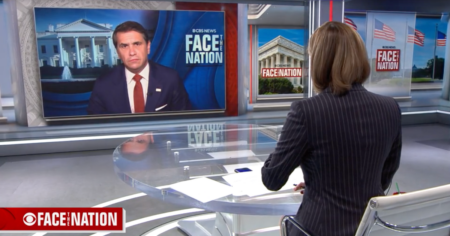
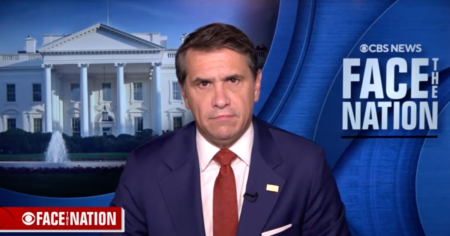
White House Border Czar Tom Homan appeared on CNN Sunday morning, attempting to reassure both workers and the traveling public that relief is on the way. He stated that TSA officers should “hopefully” see their paychecks arriving by Monday or Tuesday, though the tentative nature of his statement did little to inspire confidence among workers who have been hearing promises for weeks while their bills pile up and their savings accounts dwindle. The human cost of this crisis cannot be overstated—these are federal employees who have mortgages to pay, children to feed, and medical bills to cover, all while being expected to show up to high-stress security jobs that require constant vigilance and professionalism.
Staggering Absentee Rates Reveal Worker Desperation
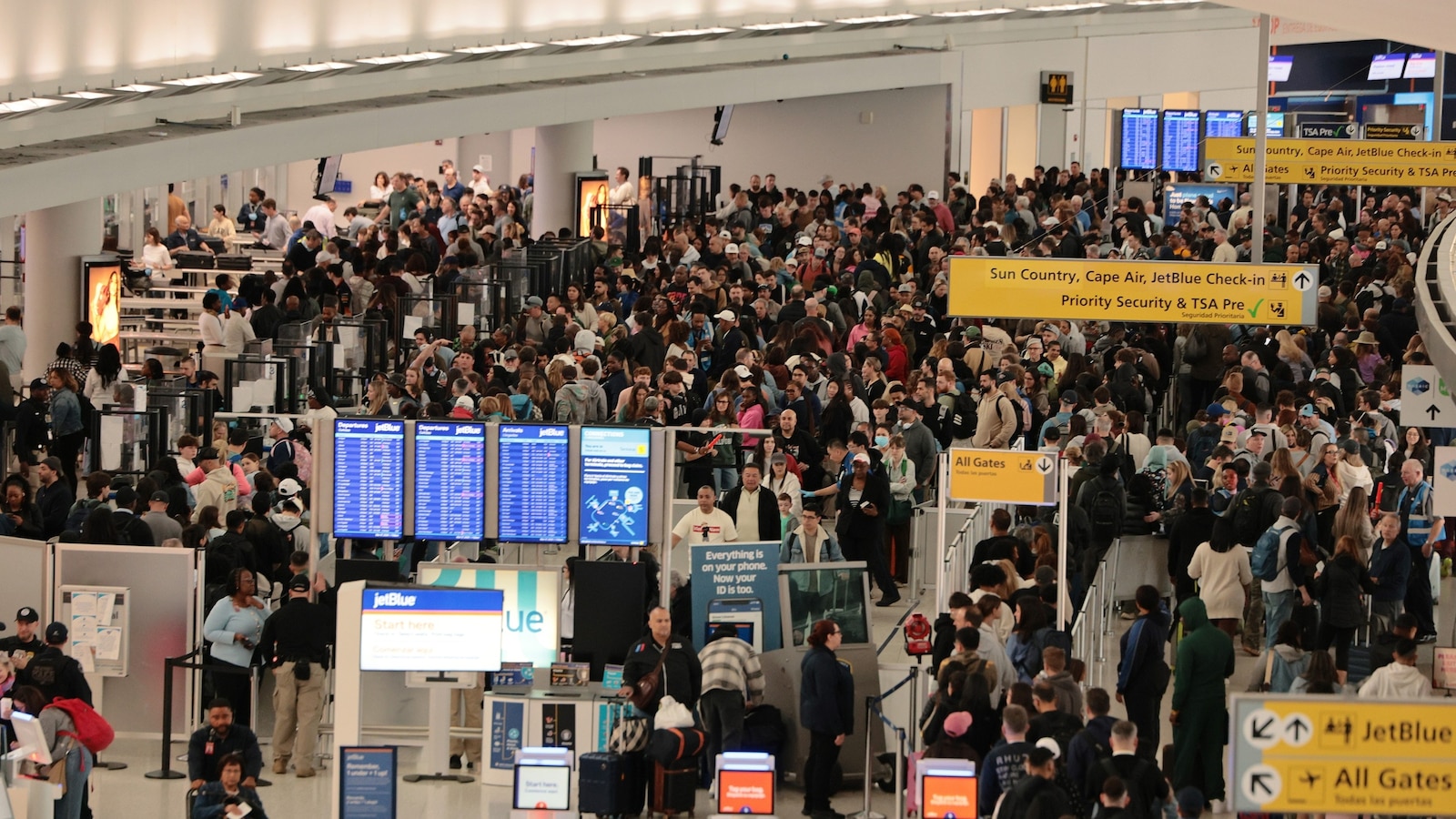
The numbers tell a stark story of a workforce pushed beyond its breaking point. On Saturday alone, at least 10.27% of all scheduled TSA workers called out sick nationwide—a figure that represents thousands of absent security officers across the country. However, these national averages mask the true severity of the crisis at individual airports, where the situation has become truly dire. Bush International Airport in Houston recorded the highest absentee rate in the nation, with a staggering 38.3% of scheduled officers failing to show up for their shifts. Close behind was Houston’s William P. Hobby Airport, where 36.8% of TSA officers were no-shows, essentially leaving the airport with barely half its normal security staffing levels.
The crisis extends far beyond Houston, affecting major transportation hubs across the country. Baltimore’s Thurgood Marshall Airport, New York’s iconic John F. Kennedy International Airport, and Atlanta’s Hartsfield-Jackson International Airport—one of the busiest airports in the world—all reported that at least 30% of their TSA officers called out sick on Saturday. For travelers, this translates into security lines that snake through terminals for hours, missed flights, disrupted travel plans, and an atmosphere of frustration and anxiety. For the TSA officers who do show up to work, it means handling the workload of multiple people while dealing with stressed and angry passengers, all while wondering how they’ll pay their rent or keep the lights on at home. The situation has become so untenable that more than 500 TSA officers have quit entirely since the funding crisis began on February 14, choosing unemployment over continued work without compensation.
Presidential Action and Questions of Authority
President Trump signed a directive on Friday in an attempt to break the logjam, instructing newly sworn-in Department of Homeland Security Secretary Markwayne Mullin to coordinate with the Office of Management and Budget to find funds “that have a reasonable and logical nexus to TSA operations” to pay the agency’s workforce. The TSA issued a statement Sunday expressing gratitude to the President and Secretary “for their leadership to put money back into the pockets of TSA employees who worked without pay during the longest government shutdown in history.” The statement announced that TSA officers should begin seeing paychecks as early as Monday, March 30, though given the pattern of broken promises and delayed action, many workers remain skeptical.
Earlier in the crisis, President Trump had deployed ICE agents—who remained funded through appropriations from a tax and spending bill passed the previous summer—to airports to assist TSA officers struggling to manage security lines with skeleton crews. However, this stopgap measure has done little to address the fundamental problem: federal workers being forced to work without pay for an extended period. Democratic Congress members have raised serious questions about the President’s authority to unilaterally direct the Department of Homeland Security to pay TSA officers, while also demanding answers about why, if he possessed this authority all along, he waited more than six weeks to exercise it. The timing of the action, coming after substantial public pressure and widespread disruption to air travel, has led critics to question whether this was truly about legal constraints or political calculations.
The Political Blame Game Intensifies
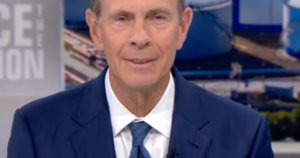
Senator Chris Van Hollen, a Democrat from Maryland, appeared on ABC’s “This Week” program Sunday to push back against Republican narratives about the funding crisis. He firmly stated that his party is not blocking funding for the Department of Homeland Security overall, contradicting claims from House Republicans who failed to take up a vote on a Senate-passed bill that would have funded most of the department. “We’re not holding up all of the money for all the Department of Homeland Security,” Van Hollen told co-anchor Jonathan Karl. “That’s just a false statement. We have said repeatedly, repeatedly, we should fund [the Transportation Security Administration].” The Senator’s comments highlight the specific nature of the Democratic objection—they want to fund TSA and other non-immigration functions of DHS, but are demanding reforms to federal immigration enforcement before approving funding for those specific agencies.
The Democratic position stems from a tragic incident in Minneapolis where federal agents shot and killed two U.S. citizens, Renee Good and Alex Pretti. Democrats blocked broader DHS funding more than a month ago, insisting on reforms to prevent similar tragedies before they would approve continued funding for immigration enforcement agencies. From their perspective, this is a matter of accountability and protecting American citizens from government overreach. Republicans, however, have characterized this position as holding all of Homeland Security hostage over an isolated incident, arguing that the nation’s security infrastructure shouldn’t be compromised by political disputes over specific agency practices.
Republican Defense and Congressional Gridlock
House Majority Leader Steve Scalise, a Republican from Louisiana, offered a robust defense of his chamber’s position during his own appearance on “This Week” Sunday morning. He claimed that some senators who voted for the funding bill in the early morning hours now regret their decision, though he declined to name these allegedly regretful lawmakers. “We actually read their bill, and frankly, a number of senators have expressed buyer’s remorse with what they did at 3 in the morning,” Scalise said, suggesting that the Senate’s late-night vote produced legislation that hadn’t been properly vetted. His most serious charge was that the Senate bill would “actually defund over 25% of the baseline operations of the Department of Homeland Security, 25% at a time when we’re at a heightened threat level.”
This claim gets to the heart of the Republican argument: that Democratic demands for immigration enforcement reforms would severely hamper the Department of Homeland Security’s ability to carry out its core mission at a time when national security threats remain elevated. From the Republican perspective, the TSA payment crisis is an unfortunate casualty of Democratic overreach—an attempt to use the budget process to force policy changes that should be debated and voted on separately. However, critics note that Republicans control both chambers of Congress and the White House, questioning why the majority party has been unable to produce a funding solution that can pass both houses and reach the President’s desk. The reality is that both parties have dug in on their positions, with federal workers and the traveling public caught in the middle of a high-stakes political standoff with no clear resolution in sight.