
TSA Workers to Finally Receive Paychecks After Month-Long Government Shutdown
Relief on the Horizon for Homeland Security Employees
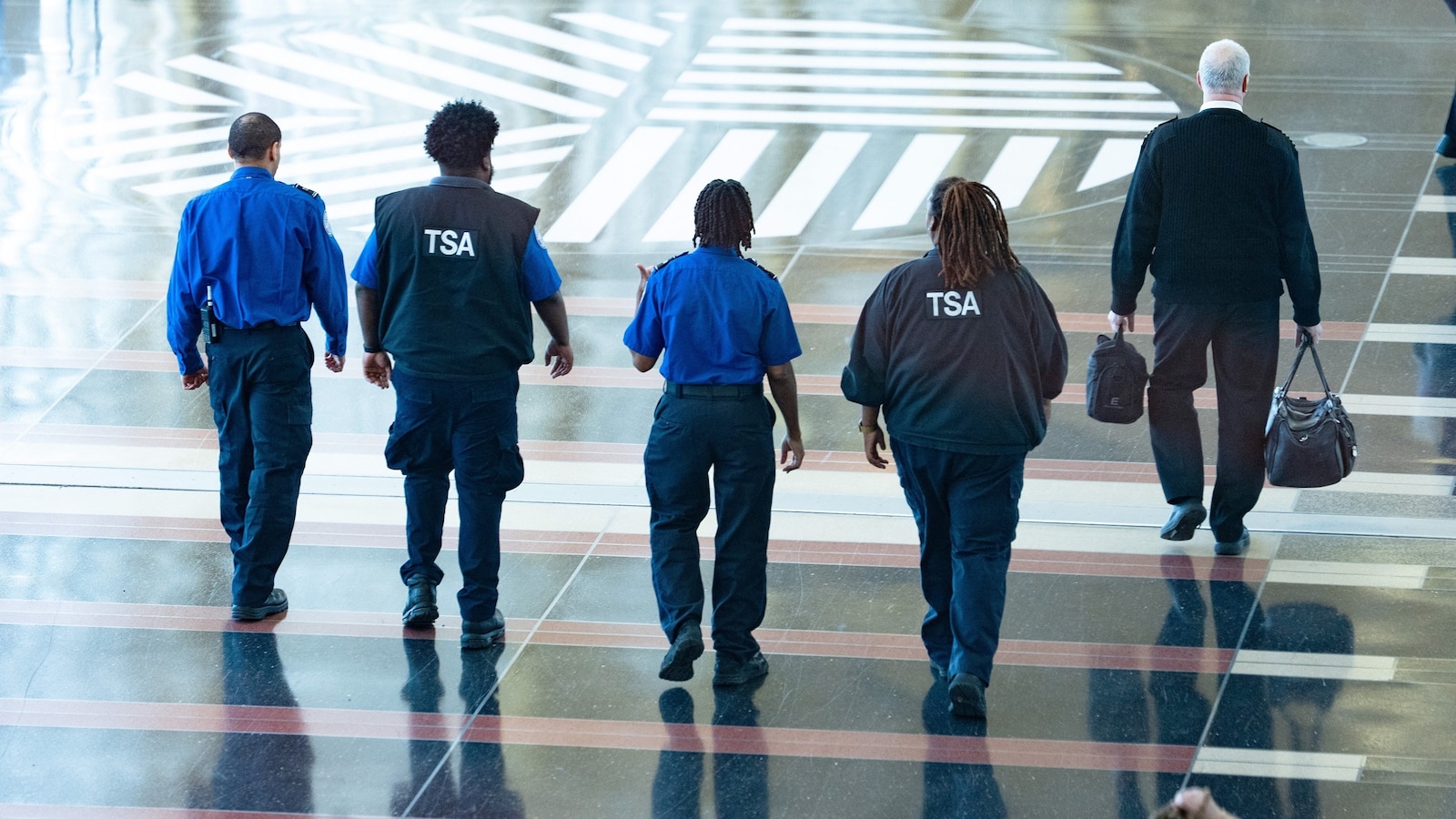
After more than six weeks of working without pay, Transportation Security Administration officers are finally set to receive their paychecks next week, according to a Department of Homeland Security spokesperson who made the announcement on Friday. This welcome news comes after TSA workers endured 42 days of financial hardship while waiting for Congress to resolve a partial government shutdown that left them and other DHS employees in financial limbo. The ordeal has been particularly challenging because these essential workers were required to report to their posts every single day throughout the entire shutdown period, which began on February 14th, all while facing mounting bills and dwindling resources.
The financial strain on TSA officers has been severe and far-reaching. Many employees spoke with reporters about the devastating impact on their personal lives, describing how they missed critical bill payments and were forced to take on second jobs just to make ends meet. Union representatives painted an even grimmer picture, sharing heartbreaking stories of officers who had no choice but to pull their children out of daycare facilities they could no longer afford. Perhaps most distressing were accounts of TSA workers receiving eviction notices because they simply couldn’t pay their rent after going without income for over a month. These aren’t abstract statistics—these are real American workers who show up every day to keep our airports and travelers safe, yet found themselves facing the kind of financial crisis that no working person should have to endure.
Presidential Action Brings Temporary Solution
President Donald Trump intervened on Friday by signing a presidential memorandum directing DHS Secretary Markwayne Mullin to work with the Office of Management and Budget to identify funds that have “a reasonable and logical nexus to TSA operations” to compensate the agency’s workforce. According to senior administration officials, TSA employees will be paid using funds allocated through Trump’s comprehensive domestic policy bill that was signed into law last summer. A DHS spokesperson confirmed that the agency immediately began processing payments following the president’s directive, with TSA officers expected to see money in their accounts as early as Monday, March 30th. However, questions remain about the specific legal authority under which Trump issued this order, as the White House has not yet responded to requests for clarification on this matter.
The response from TSA workers to this announcement has been cautiously optimistic at best, with many expressing skepticism born from weeks of uncertainty and broken promises. Rebecca Wolf, a TSA officer working at Boise International Airport and serving as president of AFGE TSA Local 1127, captured this sentiment when she said, “I’ll believe it when I see it. Unfortunately, I don’t have a lot of faith.” Her concerns go deeper than just receiving the missed paycheck. Wolf explained that she received information indicating the order would cover the partial or complete checks missing from pay periods three, four, and five, but there was no clear indication about whether employees would continue to be paid going forward. This uncertainty continues to plague workers who need assurance that their financial nightmare is truly over, not just temporarily paused.
The Human Cost of Political Gridlock
The stories emerging from TSA officers across the country reveal the deeply personal toll that government shutdowns take on federal workers and their families. Paul Uecker, a TSA officer at Duluth International Airport and Vice President of Greater Minnesota American Federation of Government Employees Local 899, shared particularly troubling accounts of the hardship experienced by his colleagues. He revealed that at least one officer at Minneapolis-Saint Paul International Airport felt so financially desperate that they quit their job entirely because eviction proceedings had been initiated against them. That officer needed to find immediate income to potentially avoid losing their home—a devastating choice between employment and shelter that no American worker should face.
The situation is especially dire because this isn’t the first time these federal employees have faced such circumstances. TSA officers reported that they experienced the longest government shutdown in American history just last fall—a 43-day ordeal that drained their savings accounts and left them financially vulnerable. Many workers told reporters they hadn’t fully recovered from that previous shutdown when the February partial shutdown began, meaning they entered this crisis with already depleted emergency funds and no financial cushion to fall back on. The Kelly family’s story exemplifies this struggle: Oksana and Deron Kelly, both TSA officers at Orlando International Airport and parents of two children, have been working without pay throughout the shutdown. They’ve exhausted their savings from dealing with both shutdowns, forcing Deron to take a second job as a DoorDash driver just to bring in some income. Oksana became tearful when describing how they couldn’t afford to give their 7-year-old son the birthday party he wanted at a trampoline park, instead having to settle for a celebration at a community park. “This is probably the hardest thing I have to do,” she said through tears, describing how her son asked if they were still planning the party and they had to tell him, “Sorry buddy, this birthday is going to be at the community park because Mommy and Daddy can’t afford the trampoline park.”
Political Stalemate and Inadequate Solutions
The government shutdown that caused all this hardship stems from a political impasse in Congress. Senate Democrats vowed to block funding for the Department of Homeland Security until reforms were made to Immigration and Customs Enforcement following the killings of two individuals in Minneapolis by federal law enforcement. While the Senate managed to reach an agreement on Friday morning to fund DHS while excluding appropriations for immigration enforcement, House Republicans promptly rejected this compromise. House Speaker Mike Johnson announced that his party would instead push for a short-term bill to fund the entire department for just 60 days—a temporary measure that does nothing to address the underlying issues or provide long-term stability for federal workers.
Oksana Kelly expressed the frustration felt by many TSA officers when she said, “I feel like they’re playing with our lives. We all have children. We all have parents that, you know, people [to] take care of. It’s not just some random officers. It’s real people.” This sentiment captures the disconnect between political negotiations happening in Washington and the real-world consequences experienced by working families across America. Meanwhile, Trump’s decision to deploy ICE agents to airports on Monday to assist with long security checkpoint lines has done little to address the actual problems facing TSA officers. Multiple TSA employees reported that ICE personnel weren’t helping with passenger screening because they lack the necessary training—TSA officers undergo approximately six months of specialized training to perform their duties. Maggie Sabatino, a TSA employee at Philadelphia International Airport, described the situation: “They’re outside the security area, watching as people are coming in, watching as people are coming out. We were told that they were supposed to be there to offer us assistance, and there’s been no assistance. Standing around and just watching, it’s not helping us. It’s putting us on edge, like we’re waiting for something to happen. We’re afraid of something happening.”
Widespread Impact and Uncertain Future
The stress and financial hardship have taken a visible toll on TSA operations across the country. The agency experienced its highest call-out rates of the entire shutdown on Thursday, with more than 3,450 officers unable to report for work. George Bush Intercontinental Airport in Houston was hit hardest, with a staggering 44.4% callout rate. Hartsfield-Jackson Atlanta International Airport recorded the second-worst rate, where TSA officer Yolanda Keaton works as a steward for AFGE Local 554. Keaton shared the story of one of her colleagues, a single mother struggling to maintain normalcy for her child: “She has a child that she has to face every day. It’s hard for her to smile with her child when she doesn’t know where their next meal is going to come from. She doesn’t know if she’s going to keep her apartment because she’s had eviction notices.”
Looking ahead, even as paychecks are set to resume, the damage to morale and trust may be long-lasting. Paul Uecker expressed concern about the future stability of TSA’s workforce, noting that even after DHS receives funding again, many officers will continue to feel insecure about their employment. “I’ve heard there will be many more people who are considering quitting just because of the fact that we’re in danger of shutdowns all the time,” he explained. This ongoing uncertainty threatens to undermine America’s aviation security infrastructure as experienced officers contemplate leaving their positions for more stable employment. The repeated government shutdowns have created an environment where dedicated public servants who protect travelers every day can no longer trust that their government will fulfill its basic obligation to pay them for their work. As these essential workers finally prepare to receive their long-overdue paychecks, the larger question remains: how can we prevent this kind of crisis from happening again and restore faith in the system among those who serve on the front lines of our national security?