


Trump’s Bold New Look for America’s Presidential Fleet
A Dramatic Departure from Kennedy-Era Tradition
The iconic robin’s egg blue and white aircraft that have carried American presidents for over six decades are getting a dramatic makeover. President Trump is replacing the classic Kennedy-era color scheme on the U.S. Air Force presidential and VIP fleet with his preferred palette of dark navy blue, deep red, and gold. This transformation affects not just the famous Air Force One jets, but the entire executive fleet including planes that carry the vice president, first lady, and top cabinet officials. The changeover is already underway, with several aircraft being repainted as they come in for their regularly scheduled maintenance and repairs. This represents one of the most significant visual changes to the presidential fleet since President John F. Kennedy and First Lady Jacqueline Kennedy personally selected the powder blue and white design that has become synonymous with American presidential travel for generations.
The New Color Scheme Takes Flight
According to sources who spoke with CBS News, the new paint job features a striking combination of deep navy blue, rich red, and gold accents—a color palette that reflects President Trump’s personal aesthetic preferences and his vision for how America’s presidential aircraft should appear on the world stage. Air Force officials have confirmed that this new color requirement applies broadly across the executive fleet. The redesign encompasses the incoming 747-8i aircraft donated by Qatar, the two new Boeing 747s being converted to serve as the next generation of Air Force One, and the C-32 aircraft that function as Air Force Two when carrying the vice president. The transition is happening methodically as planes cycle through their normal maintenance schedules, making it a cost-effective approach that takes advantage of times when the aircraft would already be grounded for necessary work. Images of the first C-32 painted in the new scheme have already surfaced online, captured by aviation enthusiasts and reported by The War Zone, a respected defense news and analysis website.
A Second Attempt at Rebranding the Presidential Fleet
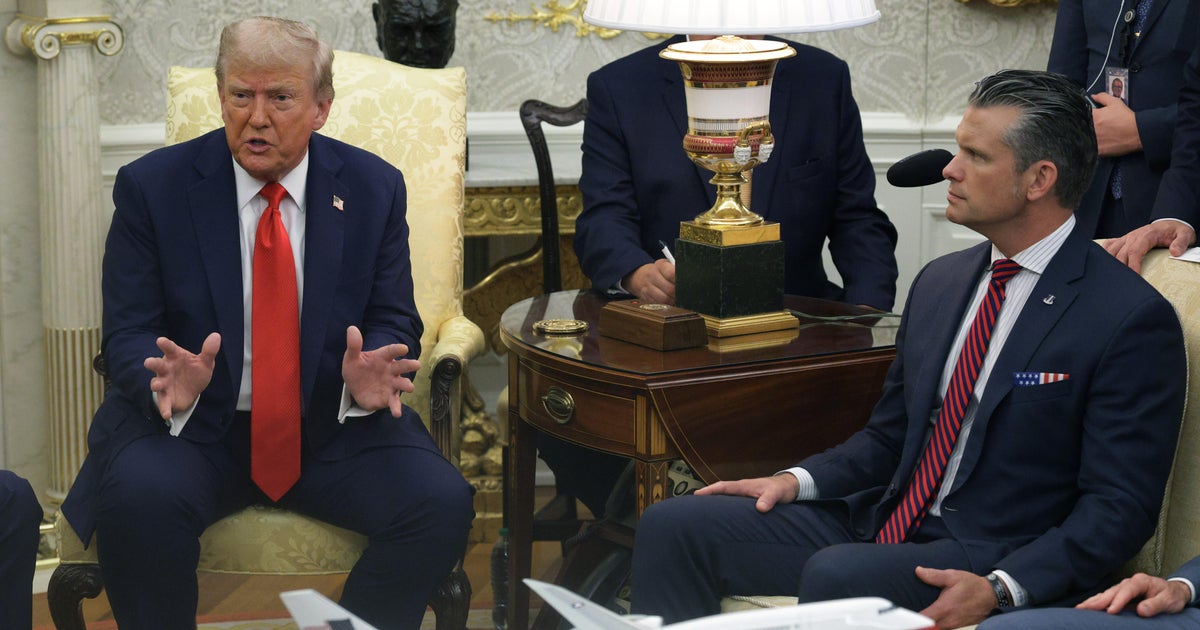
This isn’t President Trump’s first attempt to change the appearance of Air Force One. During his first term in office, he unveiled a model airplane showcasing his preferred color scheme for the presidential aircraft, expressing his desire to move away from the traditional Kennedy colors. However, those plans were derailed when President Joe Biden took office and promptly canceled the paint redesign for the VC-25B aircraft—the Defense Department’s designation for the presidential version of the Boeing 747. Now back in office, Trump has the opportunity to implement his vision across the entire executive fleet. The timing aligns with several ongoing projects to modernize and expand the presidential aircraft inventory, including the refurbishment of a plane donated by Qatar and the continued development of new Air Force One jets through a contract Boeing signed back in 2018. These simultaneous projects provide an ideal window to implement a unified new look across all presidential and VIP aircraft.
The Planes Receiving the Presidential Makeover
The transformation affects multiple categories of aircraft within the executive fleet. The most prominent changes will appear on the planes designated as Air Force One—the call sign used whenever the president is aboard. This includes the donated Qatari jet currently being refurbished at Air Force facilities, which is expected to be ready for presidential use no later than this summer. Additionally, two Boeing 747-8i aircraft that Boeing has been converting under a 2018 contract will receive the new paint scheme when they eventually enter service. Beyond the flagship presidential jets, the C-32 aircraft—military versions of the Boeing 757—are also getting the new colors. These versatile planes serve as Air Force Two when carrying the vice president, but they’re also regularly used to transport the first lady, cabinet secretaries, and other high-priority government personnel on official business. Defense contractor L3 Harris has been handling upgrades to these Air Force Two planes at their facility in Greenville, Texas, and the first newly painted C-32 is expected to be delivered to the Air Force within the next few months.
The History and Significance of Presidential Aircraft Colors
The color scheme of Air Force One carries more weight than simple aesthetics—it’s a symbol recognized around the world as representing the American presidency. The current robin’s egg blue and white design has roots in one of America’s most beloved presidential administrations. President John F. Kennedy and First Lady Jacqueline Kennedy worked personally with designer Raymond Loewy in the early 1960s to create a look that would be elegant, modern, and distinctly American. The soft blue they chose was intended to suggest the sky and convey a sense of peace and optimism. For more than sixty years, that design has remained largely unchanged, creating a visual continuity across fourteen presidential administrations from both political parties. The color scheme became so iconic that it influenced everything from toys and models to how artists and filmmakers depicted the presidency in popular culture. Changing such a deeply embedded symbol represents a significant break with tradition, one that reflects President Trump’s willingness to reshape presidential norms and put his personal stamp on the office in visible, tangible ways.
Looking Ahead: The Future of the Presidential Fleet
As the repainting program continues, Americans can expect to see the new color scheme become increasingly familiar over the coming months and years. The Qatari-donated aircraft, scheduled for completion this summer, will likely provide the first high-profile appearance of the new design when the president uses it for official travel. The Boeing 747 conversions, which have faced delays and cost overruns since the 2018 contract was signed, will eventually bring two state-of-the-art aircraft into presidential service bearing the new colors. The methodical approach of repainting planes during scheduled maintenance means the transition won’t happen overnight, and Americans will see both old and new color schemes in service simultaneously for some time. This change also raises questions about whether future presidents will maintain Trump’s color choices or return to the Kennedy-era design, potentially creating a pattern where presidential aircraft colors become something each administration reconsiders. Regardless of one’s opinion on the aesthetic merits of dark navy, red, and gold versus powder blue and white, the new paint scheme represents a visible manifestation of how each president leaves their mark on the office—sometimes in ways that will literally be seen from the ground as Air Force One flies overhead.