
Federal Prosecutors Drop Case Against Democratic Lawmakers Over Military Video
Grand Jury Refuses to Indict Six Democrats
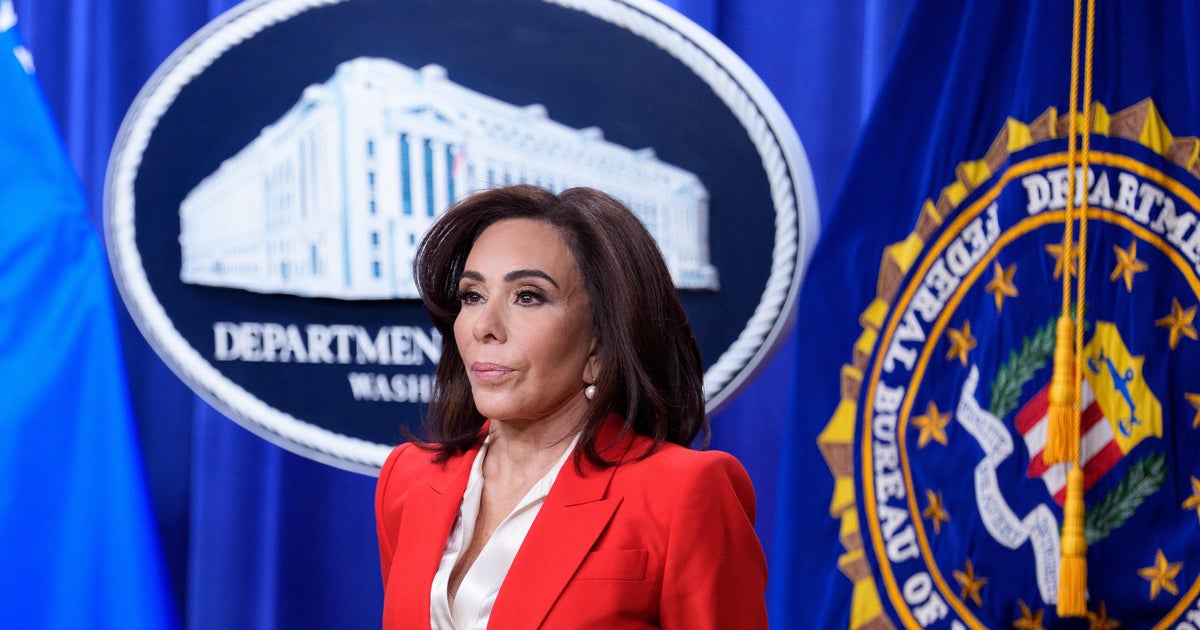
In a significant development that highlights growing tensions between politics and prosecution, the top federal prosecutor in Washington, D.C. has officially abandoned efforts to bring criminal charges against six Democratic lawmakers who posted a controversial video addressing military personnel. U.S. Attorney Jeanine Pirro made the decision to shelve the case after a grand jury in the nation’s capital earlier this month refused to return an indictment against the legislators, according to sources who spoke with CBS News on Tuesday. The video in question featured the Democratic representatives urging members of the military not to follow orders they believed to be illegal. While sources indicated it remains technically possible for the Justice Department to pursue the case in other venues, multiple individuals familiar with the matter suggested this outcome appears increasingly unlikely. A spokesman for Pirro’s office declined to provide any official comment on the matter when contacted by reporters.
A Rare Grand Jury Rejection Signals Deeper Concerns
The grand jury’s decision to reject the proposed charges represents a historically unusual occurrence in the federal justice system, though legal experts note this type of pushback is becoming somewhat more common in Washington and other federal districts across the country. Sources familiar with the deliberations revealed that the grand jurors appeared increasingly concerned about whether certain cases being brought before them have been politicized and are being used as tools to exact retribution against individuals perceived as enemies of President Trump. The rejection becomes even more remarkable given that several sources told CBS News the grand jurors unanimously voted against returning an indictment—an outcome that is exceedingly rare in the federal system, where grand juries traditionally tend to follow prosecutors’ recommendations. This unanimous rejection suggests the panel of citizens found the case fundamentally flawed or inappropriate for criminal prosecution, raising questions about the judgment exercised by prosecutors in bringing it forward in the first place.
The Legal Foundation and Potential Consequences
Prosecutors working under Pirro had attempted to charge the six lawmakers under a specific criminal statute, 18 U.S.C. § 2387, which carries serious consequences for those convicted under its provisions. This particular law threatens a maximum prison sentence of ten years for anyone who “advises, counsels, urges, or in any manner causes or attempts to cause insubordination, disloyalty, mutiny, or refusal of duty by any member of the military.” Sources told CBS News that several politically-appointed attorneys working with Pirro were specifically assigned to handle the case against the lawmakers, a detail that may add fuel to concerns about the political motivations behind the prosecution. The use of this statute against elected officials for political speech addressing military members raises significant First Amendment questions that legal scholars have begun to examine. The fact that grand jurors—ordinary citizens tasked with determining whether sufficient evidence exists to proceed with criminal charges—unanimously rejected this application of the law suggests they may have shared concerns about criminalizing what could be considered protected political speech.
Democratic Response and Legal Warnings
Following the grand jury’s decision to reject the indictment, all six Democratic lawmakers who had been targeted by the investigation publicly condemned the attempt to prosecute them and praised the grand jury for its judgment. The legislators characterized the prosecution effort as an abuse of the justice system and an attempt to criminalize legitimate political expression and oversight responsibilities. Among the targeted lawmakers was Democratic Representative Jason Crow of Colorado, a former Army Ranger who served in Iraq and Afghanistan. Crow’s attorney, Abbe Lowell, a well-known Washington defense lawyer who has represented numerous high-profile clients, took the unusual step of writing a formal letter to U.S. Attorney Pirro after news of the grand jury’s rejection became public. In this letter, Lowell put Pirro and her office “on notice of the legal ramification” should they continue to pursue charges against his client or the other lawmakers. This legal warning suggests the possibility of future litigation against the prosecutors themselves if they persist in what the defense characterizes as a politically motivated and legally baseless prosecution.
Implications for Justice Department Independence
This case represents just one example in a growing pattern of controversies surrounding the independence of the Justice Department and the U.S. Attorneys’ offices under the current administration. Legal experts and former federal prosecutors have expressed concern about cases that appear designed to target political opponents rather than pursue legitimate criminal violations. The appointment of Jeanine Pirro, a former Fox News host and vocal political commentator known for her strong support of President Trump, to the position of U.S. Attorney for the District of Columbia was itself controversial, with critics questioning whether someone with such an overtly political profile could maintain the neutrality and independence traditionally expected of federal prosecutors. The fact that politically-appointed attorneys within her office were specifically assigned to this case against Democratic lawmakers only intensifies these concerns. The grand jury’s rejection of the case may signal that ordinary citizens serving in this important constitutional role are exercising independent judgment to serve as a check against prosecutorial overreach and potential abuse of the criminal justice system for political purposes.
The Broader Context and Future Outlook
The decision to shelve this prosecution comes at a time of intense debate about the proper role of criminal prosecution in American democracy and the boundaries between legitimate law enforcement and political retribution. The video that sparked the investigation featured the Democratic lawmakers advising military personnel about their rights and responsibilities regarding illegal orders—a topic that has particular resonance given ongoing debates about the limits of executive authority and the role of the military in domestic affairs. Legal scholars have noted that military personnel are indeed required to refuse illegal orders under the Uniform Code of Military Justice, and discussion of this obligation would typically be considered protected political speech rather than criminal incitement. While the immediate threat to these six lawmakers appears to have passed with the grand jury’s rejection and Pirro’s decision to table the case, questions remain about whether similar attempts to criminalize political speech and opposition will continue. The unanimous grand jury rejection in this case may serve as an important precedent and deterrent, demonstrating that at least some safeguards within the justice system remain functional even in a highly polarized political environment. As the nation continues to grapple with questions about democratic norms, separation of powers, and the independence of law enforcement institutions, this case will likely be studied as an example of both the vulnerabilities and resilience of American constitutional protections.