


Peace Talks in Geneva: The Struggle for Ukraine’s Future
A Brief Encounter in Switzerland
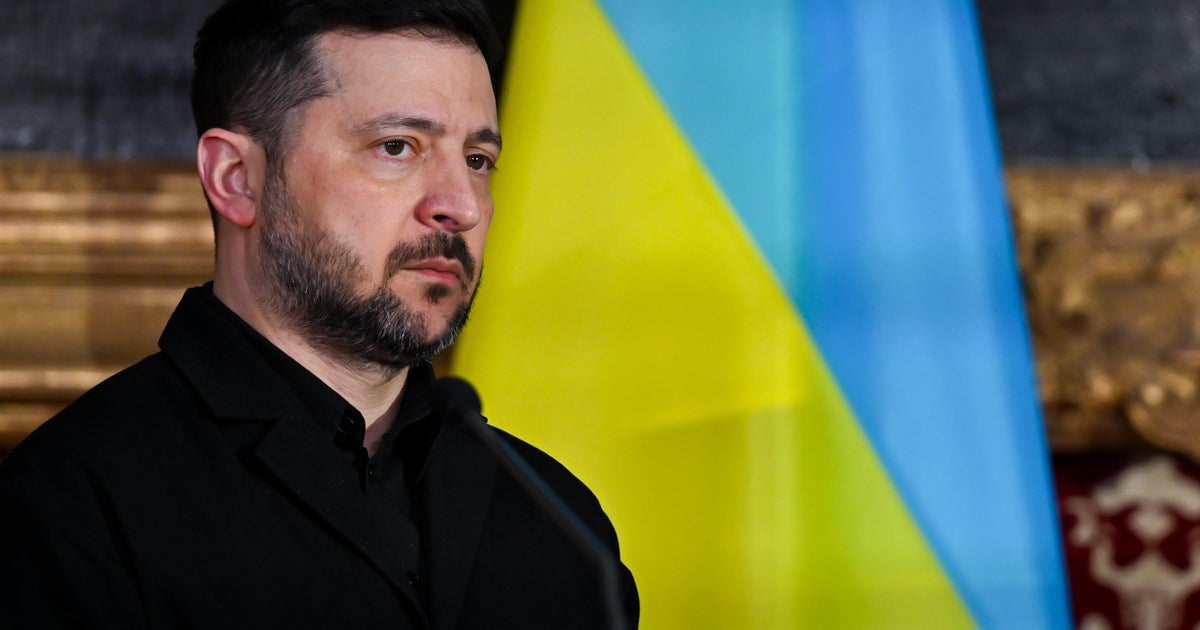
The latest chapter in the ongoing effort to end the devastating conflict between Ukraine and Russia came to an abrupt close in Geneva this week, with U.S.-mediated peace negotiations wrapping up after just two hours on their second day. The brevity of Wednesday’s session spoke volumes about the enormous challenges facing all parties involved in trying to forge a path toward peace. Ukrainian President Volodymyr Zelenskyy didn’t mince words in his assessment of the talks, characterizing progress as “uneven” and leveling serious accusations at Moscow for what he described as deliberate stalling tactics. In a pointed social media statement, Zelenskyy expressed his frustration, saying “Russia is trying to drag out negotiations that could have reached the final stage.” For the Ukrainian leader, the fundamentals remain crystal clear and completely non-negotiable: Ukraine’s sovereignty must be respected, and its internationally recognized borders must be restored. These two-day discussions in Switzerland zeroed in primarily on territorial questions—the thorniest issue standing between the warring nations and any potential peace agreement. The talks highlighted a fundamental impasse that has persisted for months: Russian President Vladimir Putin continues to insist that Ukraine must formally and permanently surrender the occupied territories in eastern Ukraine as a precondition for peace, a demand that Zelenskyy and the Ukrainian people find absolutely unacceptable.
Pressure from Washington and Moscow’s Demands
The political pressure surrounding these negotiations has intensified considerably, particularly from President Trump, who has made no secret of his desire to see this conflict resolved quickly. Trump has actively pushed both Ukraine and Russia toward reaching an agreement, even going so far as to suggest that Kyiv might need to make the painful decision to give up some of its territory in exchange for peace. This suggestion has sent shockwaves through the international community, with Zelenskyy and America’s NATO allies repeatedly warning that such a concession would establish a dangerous precedent for international relations. The concern is straightforward: if Putin is seen as benefiting from his unilateral invasion of a sovereign neighbor, it could encourage similar aggressive actions by authoritarian leaders around the world. On Monday, as the talks were getting underway, President Trump described the Geneva negotiations as “big” and issued what many interpreted as a warning to Ukraine, telling reporters aboard Air Force One that “Ukraine better come to the table, fast.” This comment underscored the growing impatience in some Western circles with the prolonged nature of the conflict. Meanwhile, Kremlin spokesperson Dmitry Peskov made Russia’s position abundantly clear, telling reporters that “the main issues concern both the territories and everything else related to the demands we have put forward.” Russia’s territorial ambitions are focused on securing full control of Ukraine’s eastern industrial heartland, particularly the Donbas region, where fighting has raged continuously since 2014—first between Ukrainian forces and Russian-backed separatists, and for the past four years between Russian and Ukrainian forces directly.
Zelenskyy’s Red Lines and Emotional Realities
In a revealing interview with Axios, President Zelenskyy outlined what Ukraine might be willing to discuss and what remains absolutely off the table. He indicated openness to discussing a troop withdrawal that could facilitate the creation of a neutral, internationally monitored buffer zone—a potential confidence-building measure that could reduce immediate military tensions. However, he has consistently and emphatically rejected Russia’s claim to sovereignty over the Donbas region. Zelenskyy understands the political realities on the ground in Ukraine better than anyone, and he knows that the Ukrainian people would never support a withdrawal from the region if it meant handing that territory over to Russian control. His words to Axios captured the emotional intensity of this issue: “Emotionally, people will never forgive this. Never. They will not forgive … me, they will not forgive [the U.S.].” This statement reveals the enormous domestic political constraints facing the Ukrainian president. Even if he were personally inclined to make territorial concessions for the sake of peace, the Ukrainian people—who have suffered enormously during this four-year conflict—would view such a surrender as a betrayal of everyone who has fought, died, or been displaced by Russian aggression. The head of the Russian delegation in Geneva, Vladimir Medinskiy, a close confidant of Putin, described this week’s discussions as “difficult, but business-like,” according to Russian state news agency RIA. Medinskiy told reporters after the meetings concluded that further negotiations would be held soon, though he declined to provide any specific timeframe, leaving considerable uncertainty about when substantive talks might resume.
Ukrainian Perspective and the Path Forward
Ukraine’s lead negotiator, Rustem Umerov, struck a cautiously optimistic note when speaking to reporters on Wednesday, acknowledging that “there is progress” while simultaneously tempering expectations by adding that “this is complex work that requires alignment among all parties, and sufficient time.” This diplomatic language suggests that while the two sides may have found some limited common ground on procedural matters or less contentious issues, the fundamental disagreements over territory and sovereignty remain as intractable as ever. President Zelenskyy also used the occasion to emphasize his longstanding view that European nations should play a more direct and substantial role in the negotiation process. In a social media post, he stated: “We consider Europe’s participation in the process to be critically necessary for the further successful implementation of entirely possible agreements. Ukraine has no doubt that the partners are able to ensure the constructiveness of the negotiation process, and therefore a worthy result.” This appeal to European involvement reflects Ukraine’s strategic calculation that European nations have both the greatest stake in preventing Russian expansionism and the potential to provide meaningful security guarantees that could make a peace agreement viable in the long term. The Ukrainian leader has consistently called for concrete, binding guarantees of protection for his country against any future Russian aggression as an essential component of any peace deal. Such guarantees would likely involve significant European military and security commitments, backed up by American support and potentially involving NATO in some capacity.
Security First, Territory Second
In his interview with Axios, Zelenskyy laid out his vision for the proper sequencing of any peace agreement, pushing back against what he sees as a dangerous approach suggested by some international partners. “Our American friends, they are preparing security guarantees. But they said — first this swap of territories, or something like that, and then security guarantees. I think — first, security guarantees,” Zelenskyy explained. His reasoning reveals a sophisticated understanding of geopolitical realities and Russia’s historical behavior: “Second, we will not give up our territories because we are ready for compromise. What kind of compromise are we ready for? Not for the compromise that gives Russia the opportunity to recover quickly and come again and occupy us. This is an important thing.” This statement encapsulates the fundamental dilemma facing Ukraine. Zelenskyy is signaling openness to some form of compromise—the nature of which remains deliberately vague—but only if that compromise doesn’t leave Ukraine vulnerable to future Russian aggression. From his perspective, making territorial concessions before securing ironclad security guarantees would be suicidal for Ukrainian independence, as it would give Russia time to regroup, rearm, and potentially launch another invasion attempt in the future. The Ukrainian position is that security guarantees must be “set in stone” before any meaningful discussions about the contentious territorial issues can move forward. This sequencing disagreement may prove to be as significant an obstacle to peace as the territorial disputes themselves.
Limited Wins and Uncertain Prospects
The current round of talks in Geneva follows a previous session held in Abu Dhabi in January, which also featured U.S. mediation efforts. That earlier round of negotiations did produce one tangible humanitarian result: the first prisoner swap between the countries in five months, bringing relief to dozens of families on both sides of the conflict. On Wednesday, Zelenskyy hinted in a social media post that another prisoner exchange might be coming soon, raising hopes that the Geneva talks might yield at least this limited humanitarian achievement. If such a swap does materialize, it may well be the only concrete outcome of this week’s discussions—a modest result that would underscore just how far apart the parties remain on the fundamental questions of war and peace. The brevity of the Geneva talks and the cautious, carefully worded statements from all sides suggest that a comprehensive peace agreement remains distant. The core issues—territorial integrity versus territorial concessions, the timing and nature of security guarantees, and the role of European nations in enforcing any agreement—remain unresolved. As the world watches and waits, the human cost of this conflict continues to mount, with Ukrainian and Russian families paying the price for their leaders’ inability to find common ground. The next round of talks, whenever they may occur, will need to grapple with these same difficult questions, hopefully with more substantial progress toward the peace that millions desperately want but that continues to prove frustratingly elusive.