


Pentagon Set to Deploy 82nd Airborne Forces to Middle East as Iran Conflict Enters Fourth Week
Understanding the Deployment Decision
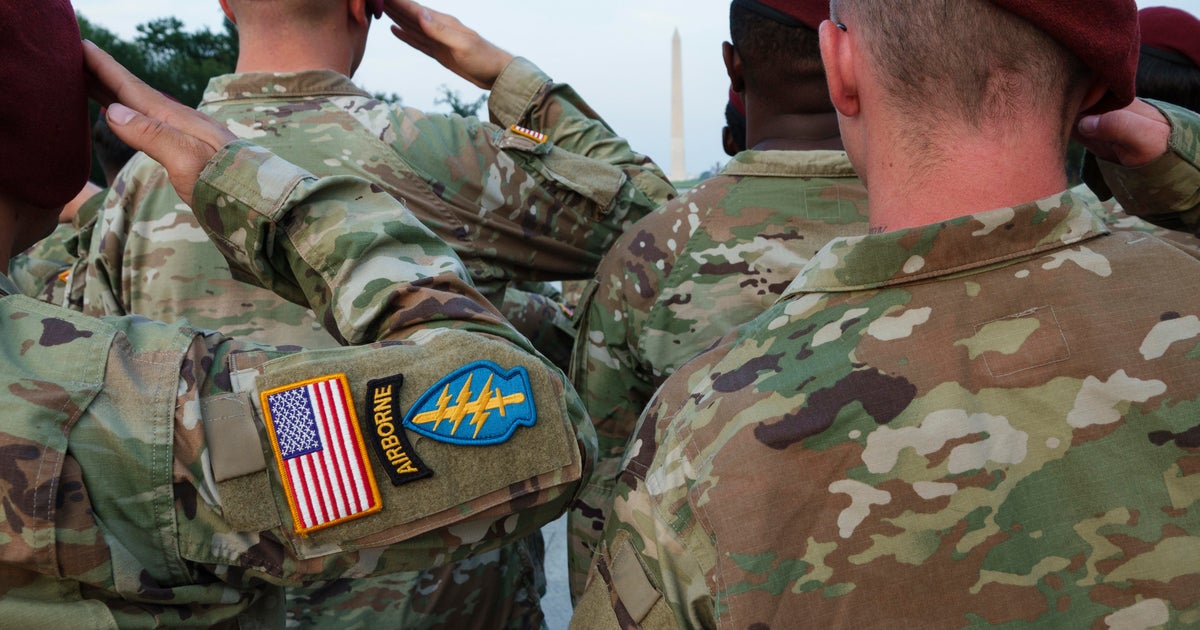
As tensions in the Middle East continue to escalate, the United States is preparing to take significant military action by deploying elements of the prestigious 82nd Airborne Division to the region. According to reports from two separate sources with knowledge of the situation, this deployment marks a serious escalation in America’s military posture as the conflict with Iran extends into its fourth week. The 82nd Airborne Division, known as “America’s Guard of Honor,” is one of the most elite and rapid-response units in the U.S. military, capable of deploying anywhere in the world within eighteen hours. The decision to send these highly trained paratroopers signals that military leadership is preparing for potential ground operations and wants America’s best-prepared forces in position should the situation deteriorate further.
The deployment isn’t just symbolic – it represents a concrete shift in military strategy. Sources familiar with the planning have indicated that the deployment will include both a command element and actual ground forces, suggesting this is more than just a precautionary measure. A command element typically includes senior officers and their staff who would coordinate and direct military operations in the theater, while the inclusion of ground forces means boots on the ground, ready to engage if called upon. This combination indicates that military planners are preparing for scenarios that could require direct American military intervention on the ground, not just air strikes or naval operations from a distance. The 82nd Airborne’s unique capabilities – including airborne assault, forced entry operations, and rapid deployment – make them the natural choice for a situation that could require quick, decisive action in a complex and dangerous environment.
Military Planning and Strategic Requests
The groundwork for this deployment has been in the works for some time, according to reporting from CBS News last week. Senior military commanders have been actively submitting specific requests aimed at preparing for the potential use of ground troops in the Iran conflict. These requests likely include logistical support, intelligence assets, air support capabilities, and the authorization to position forces strategically throughout the region. When senior commanders begin making such detailed requests, it indicates they’re moving beyond contingency planning and into actual operational preparation. Military planning at this level doesn’t happen casually – it requires extensive coordination between multiple branches of the armed forces, intelligence agencies, and diplomatic channels.
The fact that these requests are specifically aimed at ground troop deployment is particularly significant. For years, American military strategy in the Middle East has focused heavily on air power, drone strikes, special operations forces, and supporting local partners rather than committing large numbers of conventional ground forces. The shift toward preparing for ground troop deployment suggests that military leadership believes the situation with Iran may require capabilities that only conventional forces can provide – holding territory, providing sustained combat power, or conducting operations at a scale beyond what special operations forces alone can achieve. This represents a potential return to a more traditional military posture in the region, one that many Americans hoped had ended with the withdrawal from Iraq and the drawdown in Afghanistan.
Institutional Response and Communication Channels
Interestingly, when asked about the expected deployment, the Pentagon chose to defer questions to the White House, while the White House in turn stated that announcements about troop deployments would come from the Pentagon. This circular communication pattern, while potentially frustrating to journalists and the public seeking information, is actually fairly typical in developing military situations. Both institutions are being careful not to get ahead of official announcements, and there may be legitimate operational security concerns about confirming specific details before troops are actually in position. The coordination between the Pentagon and White House on messaging also reflects the constitutional reality that the President is the Commander in Chief, but the Department of Defense manages the actual execution of military operations.
This careful communication dance also reflects the political sensitivity of deploying ground forces to the Middle East. Both institutions understand that the American public has complex feelings about military engagement in the region after two decades of war in Iraq and Afghanistan. Any deployment of ground forces will naturally raise questions about mission scope, duration, objectives, and exit strategy – questions that dominated public discourse during those previous conflicts. By coordinating their messaging carefully, both the Pentagon and White House are trying to ensure that when information is released, it’s complete, accurate, and comes with appropriate context about what the deployment means and doesn’t mean for American military involvement in the region.
The 82nd Airborne’s Unique Role and Capabilities
The choice of the 82nd Airborne Division for this deployment is significant and worth understanding. Based at Fort Bragg (now Fort Liberty) in North Carolina, the 82nd Airborne is one of the most storied units in American military history, with a lineage stretching back to World War I. The division earned its reputation through combat operations in World War II, including the D-Day invasion, and has since participated in virtually every major American military operation. Today, the division maintains a brigade on “ready-to-deploy” status at all times, with soldiers prepared to be wheels-up within hours of receiving orders. This rapid response capability makes the 82nd Airborne the logical choice when military planners need credible combat power in a theater quickly.
Beyond their rapid deployment capability, paratroopers of the 82nd Airborne are trained for some of the most demanding missions in military operations. They can conduct airborne assaults, seizing airfields or other key terrain behind enemy lines. They can perform forcible entry operations, fighting their way into contested areas. They’re also trained in conventional combat operations, capable of sustained fighting once on the ground. Perhaps most importantly for the current situation, they train constantly for operations in exactly the kind of complex, uncertain environment that the Middle East presents. Their deployment sends a clear message to Iran and other regional actors: the United States is positioning forces capable of conducting serious military operations, not just making symbolic gestures or relying solely on technology and air power.
Implications for the Broader Conflict
As this conflict with Iran enters its fourth week, the decision to deploy conventional ground forces represents an important inflection point. The nature and origins of this conflict haven’t been fully detailed in the available reporting, but the progression from what may have started as a more limited engagement to one requiring ground force deployment suggests either escalation by one or both parties, or a realization that achieving American objectives will require more substantial military capability in the region. The Middle East has long been a region where seemingly contained conflicts can rapidly expand, drawing in multiple actors with competing interests. Iran itself has significant military capabilities, including ballistic missiles, proxy forces throughout the region, and asymmetric warfare capabilities that could threaten American forces and interests.
The deployment of the 82nd Airborne also raises important questions about what comes next. Is this deployment intended as a deterrent, with the hope that positioning capable forces will prevent further escalation? Is it preparation for specific military operations already being planned? Or is it a hedge against uncertainty, positioning forces so they’re available if needed while hoping they won’t be? The answers to these questions will likely become clearer in coming days and weeks as more information becomes available and as the situation on the ground continues to develop. What’s certain is that deploying conventional ground forces, even in limited numbers, represents a significant commitment and one that has the potential to expand depending on how events unfold.
Looking Ahead: What This Means for Americans
For Americans watching this situation develop, this deployment represents a moment that deserves attention and thoughtful consideration. After two decades of war in the Middle East, the prospect of renewed military engagement in the region naturally raises concerns. However, it’s important to distinguish between deploying forces as preparation and actually committing to large-scale, long-term military operations. The information currently available suggests this deployment is measured and specific, not the beginning of another massive ground war. That said, history teaches that military deployments can take on momentum of their own, and situations can change rapidly, especially in as volatile a region as the Middle East.
As this story continues to develop, more information will undoubtedly become available about the specific size of the deployment, the exact mission these forces will undertake, and the broader strategy guiding American military action in this conflict with Iran. The fact that this remains a developing story means the situation is still fluid, with decisions still being made and plans still being refined. For now, what Americans can know is that their military leadership is taking the situation seriously enough to deploy some of the nation’s most capable forces, that both military commanders and civilian leadership are carefully coordinating their response, and that the coming days will likely bring more clarity about what role these forces will play and what objectives they’re intended to achieve in this evolving conflict.