


U.S. Military Intercepts Venezuelan Oil Tanker After Cross-Ocean Chase
Tracking Shadow Fleet Operations Across Two Oceans
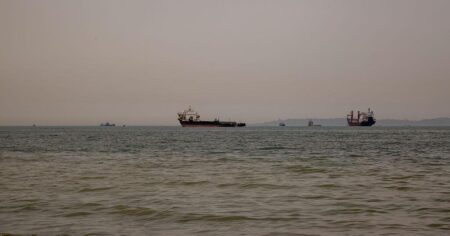
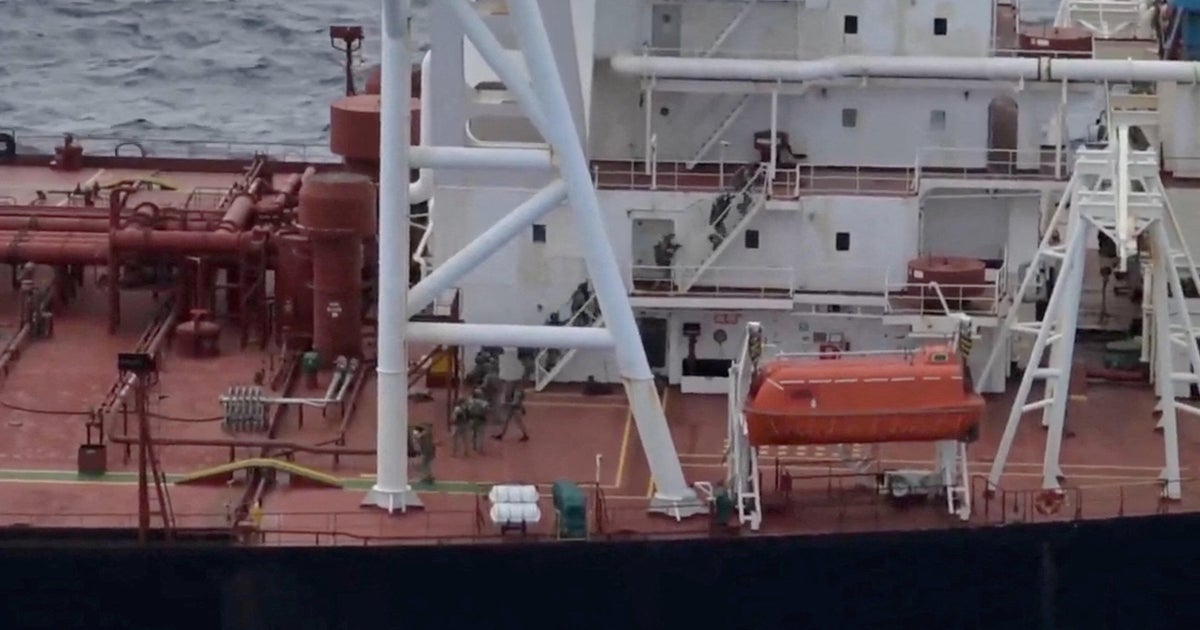
In a dramatic display of international enforcement, American military forces have successfully boarded and detained another oil tanker in the Indian Ocean after tracking it all the way from Caribbean waters. The Pentagon announced on Sunday that the operation targeted the Veronica III, a vessel suspected of transporting illicit Venezuelan crude oil as part of a sophisticated shadow fleet designed to evade international sanctions. This latest maritime interdiction demonstrates the Trump administration’s aggressive stance on enforcing oil sanctions and its willingness to pursue violators across vast oceanic distances. The military operation showcases not only advanced tracking capabilities but also the United States’ determination to clamp down on what it considers illegal oil smuggling operations that have helped Venezuela circumvent economic pressure for years.
The Shadow Fleet and Venezuela’s Sanction Evasion Tactics
For several years now, Venezuela has been operating under heavy U.S. sanctions targeting its oil industry, which has historically been the country’s economic lifeblood. Unable to openly sell their crude oil on international markets, Venezuelan authorities turned to creative and clandestine methods to keep the oil flowing and revenue coming in. They developed what experts call a “shadow fleet” – a network of tankers that frequently change their flags, turn off their tracking transponders, and use false documentation to disguise the origin of their cargo. These vessels have become sophisticated in their deception, often switching identities, operating under flags of convenience, and conducting ship-to-ship transfers in international waters to obscure the Venezuelan origins of the oil they carry. The Veronica III exemplifies this shadowy world of maritime commerce, having been involved with not just Venezuelan oil but also Russian and Iranian crude since 2023, according to maritime tracking experts. This interconnected web of sanction-evading nations has created a resilient network that has proven challenging for international authorities to fully dismantle, requiring constant vigilance and increasingly aggressive enforcement measures.
The Dramatic Pursuit From Caribbean to Indian Ocean
The pursuit of the Veronica III reads like something from a maritime thriller. According to the Pentagon’s statement, U.S. forces tracked this particular vessel from its departure point in the Caribbean Sea all the way across the Atlantic Ocean and around to the Indian Ocean – a journey of thousands of nautical miles. The ship had attempted to “slip away” following President Trump’s quarantine order on sanctioned tankers, but American military assets maintained surveillance throughout the lengthy voyage. The Pentagon’s social media post emphasized the relentless nature of the pursuit: “We tracked it from the Caribbean to the Indian Ocean, closed the distance, and shut it down.” This message sends a clear signal to other vessels that might consider defying U.S. sanctions – distance provides no protection from American enforcement capabilities. The boarding itself was conducted “without incident,” suggesting the crew did not resist when U.S. forces arrived. Video footage released by the Pentagon shows American troops professionally executing the boarding operation, climbing aboard the tanker in what appears to be daylight conditions in the middle of the ocean, far from any coastline.
The Maduro Connection and Mass Tanker Exodus
The timing of the Veronica III’s departure from Venezuela is particularly significant. The vessel left Venezuelan waters on January 3rd, the exact same day that then-President Nicolás Maduro was captured during an American military operation – an unprecedented event in international relations. The ship was reportedly carrying nearly 2 million barrels of crude and fuel oil when it departed, representing a substantial quantity of petroleum products. This timing was no coincidence; maritime tracking organization TankerTrackers.com reported that at least 16 tankers fled the Venezuelan coast in the immediate aftermath of Maduro’s apprehension, all in violation of the quarantine that President Trump had ordered in December. These vessels essentially made a run for it, hoping to deliver their valuable cargoes before U.S. enforcement could catch up with them. The mass exodus represented a significant moment in the sanctions enforcement saga, as tanker operators clearly recognized that the landscape had fundamentally changed with Maduro’s removal from power and the intensification of American pressure on Venezuela’s oil sector.
International Complications and Flag Registry Issues
The legal and international dimensions of these interdictions are complex. The Veronica III sailed under a Panamanian flag, one of the world’s most popular “flags of convenience” used by ship owners seeking favorable regulatory and tax treatment. However, the Panama Maritime Authority issued a statement on Sunday clarifying that the vessel was no longer registered in their country, having been canceled from their registry back in December 2024. This cancellation likely occurred precisely because of the ship’s involvement in sanctioned activities – countries that offer flag registration services face pressure to remove vessels that violate international sanctions from their registries. Despite the Panamanian flag, the Veronica III was listed on the U.S. Treasury Department’s Office of Foreign Assets Control sanctions list, specifically in connection with Iran, highlighting how these shadow fleet operations often serve multiple sanctioned regimes simultaneously. The vessel’s documented involvement with Russian, Iranian, and Venezuelan oil since 2023 illustrates how certain shipping operations have specialized in serving countries under Western sanctions, creating a parallel maritime commerce system that operates outside normal international trade channels.
Broader Strategy and Future Implications
The boarding of the Veronica III represents just one piece of a much larger enforcement campaign. Just last week, U.S. military forces conducted a similar operation against another tanker, the Aquila II, also in the Indian Ocean. That vessel was being held while American authorities decided its ultimate fate, according to defense officials. The Pentagon has been somewhat circumspect about the exact legal status of these seized vessels, declining to provide extensive details beyond initial announcements and stating they have “no additional information to provide” when pressed by reporters. This pattern of interdictions represents a significant escalation in how the United States enforces its sanctions regimes, moving beyond financial penalties and diplomatic pressure to direct military intervention on the high seas. The Trump administration has made clear that controlling Venezuela’s oil exports is a strategic priority, and these operations demonstrate a willingness to project American power globally to achieve that objective. The phrase used in the Pentagon’s social media post – “We defend the Homeland forward. Distance does not protect you” – encapsulates this forward-leaning posture. For the global shipping industry, particularly those vessels and companies involved in transporting oil from sanctioned countries, these operations send an unmistakable message: the United States has the capability and the will to track and intercept tankers virtually anywhere in the world’s oceans, making the lucrative but risky business of sanctions evasion considerably more dangerous than it might have seemed when these vessels first departed Venezuelan shores weeks or months ago.