
U.S. Military’s Caffeine-Fueled Operation: A Glimpse Behind the Scenes of Epic Fury
The Numbers That Tell a Story of Sacrifice
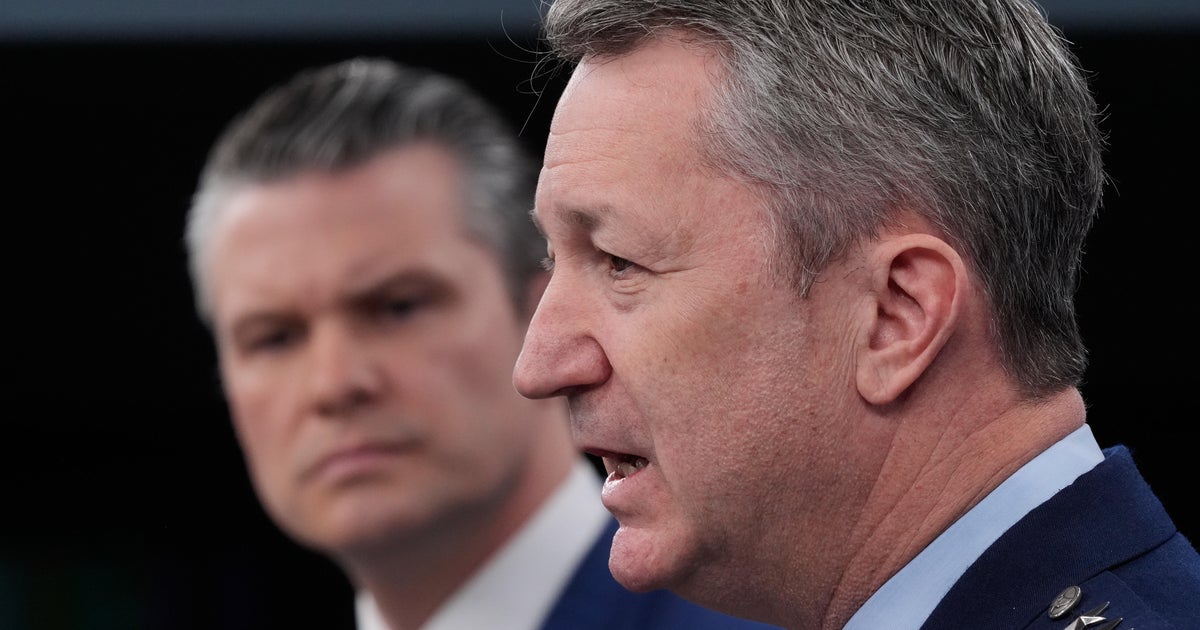
In what might seem like an unusual way to measure military operations, General Dan Caine, the chairman of the Joint Chiefs of Staff, painted a vivid picture of America’s recent military engagement through the lens of consumption statistics. Speaking to reporters in Washington on Wednesday, General Caine revealed that during the nearly six-week Operation Epic Fury, U.S. service members consumed an astounding 950,000 gallons of coffee, worked their way through more than 6 million meals, downed approximately 2 million energy drinks, and used what he diplomatically described as “a lot of nicotine.” His briefing came just hours after President Trump and Iranian officials announced a fragile ceasefire agreement that would allow both nations to continue negotiations and potentially end hostilities. While these numbers might initially seem trivial compared to typical military briefing statistics about weapons deployed or missions completed, they actually reveal something profoundly human about modern warfare—the reality that behind every operation are real people pushing their bodies and minds to extraordinary limits.
Coffee, Energy Drinks, and the Reality of Modern Warfare
The sheer volume of caffeine consumed during Operation Epic Fury is staggering when you break it down. Those 950,000 gallons of coffee translate to approximately 7.6 million individual cups—enough to keep anyone awake through the most challenging circumstances. When you add in 2 million energy drinks (General Caine humorously declined to specify whether troops preferred Monster, Celsius, or other brands), you begin to understand the grueling nature of sustained military operations. These aren’t just numbers on a spreadsheet; they represent countless sleepless nights, extended watches, high-stress situations, and the constant state of alertness that military personnel must maintain when their nation calls upon them. The general’s wry comment—”But I am not saying that we have a problem”—drew chuckles but also highlighted an uncomfortable truth about military service: staying alert and functional under extreme conditions often requires whatever help is available, whether that comes in the form of coffee, energy drinks, or nicotine products that have become ubiquitous in military culture.
The Human Element of Military Service
What makes General Caine’s briefing particularly meaningful is how it humanizes an experience that is often discussed in abstract strategic terms. Military operations are typically measured in tactical objectives achieved, enemy positions neutralized, or territorial gains secured. But Caine’s approach reminded everyone that real people—sons and daughters, mothers and fathers, brothers and sisters—are the ones executing these missions. His heartfelt gratitude toward service members who “sacrificed so much and endured uncomfortable and unpredictable days on behalf of their nation” wasn’t just ceremonial language. It reflected a genuine appreciation for the difficulties these men and women face. The 6 million meals consumed over six weeks means that each day, service members were eating in conditions far from the comfort of home, often in makeshift dining facilities, sometimes from pre-packaged rations, always under the stress and uncertainty of an active conflict zone. These meals represent not just sustenance but brief moments of normalcy in an otherwise abnormal situation.
The Gritty Reality of Combat Operations
General Caine didn’t sugarcoat the conditions that American forces faced during Operation Epic Fury. His description was raw and honest: “This is gritty and unforgiving business. It’s chaotic, it’s hot, it’s dark, it’s unpredictable, and there’s always unknowns.” These words paint a picture far removed from the sanitized version of military operations often portrayed in media or entertainment. The chaos he describes is the fog of war that military theorists have written about for centuries but which remains impossible to truly understand unless you’ve lived it. The heat refers not just to the climate of the region but to the intensity of combat situations where split-second decisions can mean the difference between life and death. The darkness isn’t merely the absence of light but the uncertainty that pervades every aspect of military operations—not knowing what’s around the next corner, whether intelligence is accurate, or how situations will unfold. Yet despite all these challenges, Caine emphasized that American forces “proudly walked into those unknowns and continue forward,” demonstrating the courage and commitment that defines military service.
A Fragile Peace and Continued Vigilance
The timing of General Caine’s briefing is significant, coming just hours after the announcement of a ceasefire agreement between the United States and Iran. While this pause in hostilities offers hope for a diplomatic resolution, both military leaders made clear that the American presence in the region isn’t ending anytime soon. Defense Secretary Pete Hegseth’s comment that the Pentagon has done its job “for now” but will be “hanging around” the region reflects the complex reality of modern international relations. Ceasefires are fragile things, and the agreement reached is described as delicate, requiring continued military readiness to ensure compliance and protect American interests. This means that while active combat operations may have paused, the service members who consumed all those gallons of coffee and millions of meals aren’t heading home just yet. They remain deployed, alert, and ready to respond if the situation deteriorates. The phrase “hanging around” might sound casual, but it represents a significant ongoing commitment of personnel, resources, and national attention to a region that has been a focal point of American foreign policy for decades.
The Unwavering Resolve of America’s Military
Perhaps the most important message from General Caine’s briefing wasn’t about coffee consumption or energy drinks at all, but about the character of the American military. His statement that “through it all, the joint force has demonstrated the unwavering resolve that the nation demands of us” speaks to something fundamental about military service. Despite the discomfort, the danger, the time away from loved ones, and the extraordinary stress of combat operations, these men and women continued to perform their duties with professionalism and dedication. The consumption statistics that Caine cited—while presented with a touch of humor—actually underscore this resolve. Every cup of coffee represents another hour of alertness maintained, every meal consumed is fuel for another mission completed, and every energy drink is a service member pushing through exhaustion to accomplish their assigned task. As negotiations continue and the fragile ceasefire holds, these statistics serve as a reminder that whatever political or diplomatic outcomes emerge from Operation Epic Fury, they were made possible by ordinary Americans who did extraordinary things under extraordinarily difficult circumstances. Their sacrifice, measured in both dramatic terms and mundane daily necessities, reflects the best of what military service represents: a willingness to endure hardship so that others might live in safety and peace.