
U.S. Military Conducts 39th Strike on Alleged Drug Vessel, Leaving Two Dead
Latest Operation Sparks Ongoing Debate Over Military Tactics
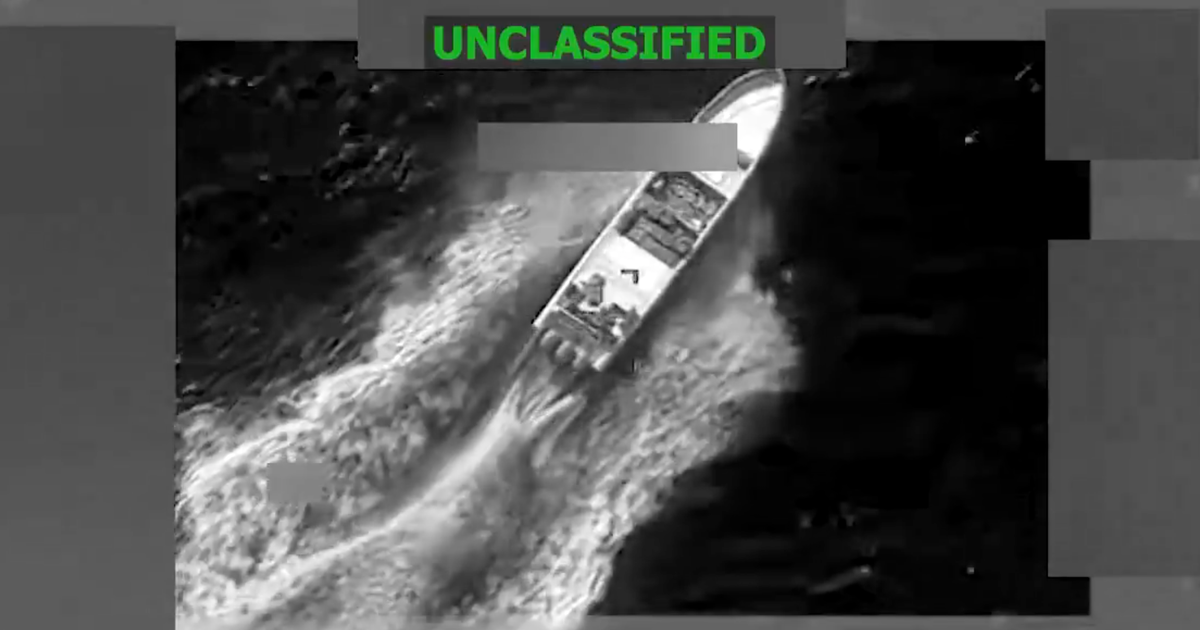
The United States military carried out its 39th strike against a suspected drug-trafficking vessel on Monday, an operation that resulted in two fatalities and left one survivor adrift at sea. U.S. Southern Command announced the strike through social media, stating that the targeted boat was operated by organizations designated as terrorist groups and was actively engaged in narcotics trafficking operations. While the military did not specifically identify which organization they believed was running the vessel, the Trump administration has previously classified several major Latin American drug cartels as foreign terrorist organizations, bringing them under the umbrella of groups that can be targeted militarily. Following the strike, the U.S. Coast Guard was notified about a person in distress, prompting the Maritime Rescue Coordination Center Ecuador to coordinate search-and-rescue efforts for the lone survivor floating somewhere in the waters where the attack occurred.
Escalating Campaign Results in Significant Death Toll
Since the military campaign against suspected drug-running boats began last September, approximately 130 people have been killed in these operations conducted across the Caribbean Sea and Eastern Pacific Ocean. The strikes have primarily targeted vessels believed to be transporting illegal narcotics toward the United States, though the pace of these operations has notably decreased following a significant development on January 3rd—the capture of Venezuelan President Nicolás Maduro by U.S. forces. Monday’s strike represents only the third known attack since that pivotal moment, suggesting either a strategic shift in military priorities or perhaps a reduction in identified targets. The campaign, directed by Southern Command commander General Francis L. Donovan through Joint Task Force Southern Spear, relies on intelligence gathering to identify vessels traveling along known drug-trafficking routes before authorizing what the military terms “lethal kinetic strikes” against these boats and their crews.
Survivor Rescues Raise Complex Operational Questions
The military operations have not always been completely lethal, with at least five documented instances where individuals have survived the initial strikes, creating urgent humanitarian situations that require immediate search-and-rescue responses. In most of these cases, authorities have launched efforts to locate and rescue survivors, though several searches have ultimately been called off without successfully finding the individuals in distress. One notable exception occurred during an October operation when a Navy helicopter successfully located and retrieved two survivors, who were subsequently repatriated to their home countries of Ecuador and Colombia. These rescue operations highlight the complex aftermath of the strikes and raise questions about the military’s responsibility for individuals who survive attacks on vessels, regardless of their alleged criminal activities. The survival rate, while relatively low given the total number of people killed, demonstrates that these strikes don’t always result in complete destruction of the targeted vessels, leaving some crew members struggling for survival in open waters far from land or regular shipping lanes.
Controversial September Strike Draws War Crime Allegations
The military’s treatment of survivors has become a lightning rod for criticism, particularly following the very first boat strike conducted on September 2nd. During that inaugural operation, two individuals survived the initial attack on their vessel, only to be killed when U.S. forces conducted a follow-on strike against the same boat. This second attack, which specifically targeted survivors of the first strike, immediately prompted accusations from critics that the military may have committed a war crime by deliberately killing individuals who were no longer actively engaged in combat or threatening U.S. forces. Democratic lawmakers who were granted access to video footage of the September 2nd operation expressed strong criticism of the decision to conduct the follow-on strike, questioning both the legality and morality of attacking survivors. However, the Defense Department has vigorously defended the action, with Pentagon officials and several congressional Republicans insisting that the survivors may have still posed a threat and could have been preparing to continue fighting, which they argue justified the second attack under the rules of engagement governing military operations.
Legal Framework and “Unlawful Combatants” Designation
The Trump administration has constructed a specific legal justification for these strikes, framing the campaign as a necessary response to the national security threat posed by narcotics trafficking into the United States. Central to this legal framework is the designation of alleged seaborne drug smugglers as “unlawful combatants,” a classification that places them outside the protections typically afforded to civilians while also denying them the rights granted to lawful combatants under international law. Furthermore, the administration has formally notified Congress that the United States is engaged in a “non-international armed conflict” with drug cartels, a declaration that invokes specific legal authorities allowing the military to conduct combat operations without the usual constraints applied to law enforcement activities. This characterization essentially treats the fight against drug trafficking as a war rather than a criminal justice matter, allowing for the use of lethal force against suspected traffickers in international waters. The legal architecture supporting these operations represents a significant expansion of how the United States applies military force against non-state actors who aren’t traditional terrorist organizations but are instead criminal enterprises engaged in smuggling activities.
Congressional Opposition and Failed Restrictions
The boat strike campaign has faced substantial opposition from Democratic lawmakers, who have raised serious concerns about multiple aspects of the operations. Critics argue that the administration has failed to provide sufficient evidence demonstrating that the targeted vessels were actually trafficking drugs destined for the United States, rather than potentially engaged in other activities or carrying narcotics intended for different markets. Additionally, Democrats have repeatedly emphasized that the administration has not sought or received proper authorization from Congress for what amounts to an ongoing military campaign resulting in significant loss of life. Despite these objections, several legislative efforts by congressional Democrats to impose restrictions on the boat strikes have been unsuccessful, failing to gain enough support to pass in either the House of Representatives or the Senate. The Republican majority in Congress has largely backed the administration’s approach, viewing the strikes as appropriate use of military force to combat the drug trade that fuels addiction and crime within the United States. This political divide reflects broader disagreements about the proper role of the military in addressing drug trafficking, the legal standards required before using lethal force, and the balance between executive authority and congressional oversight in military operations that don’t fit traditional definitions of war.