
U.S. Olympians Stand Firm on Their Right to Speak Out After Presidential Criticism
A Skier’s Patriotic Defense
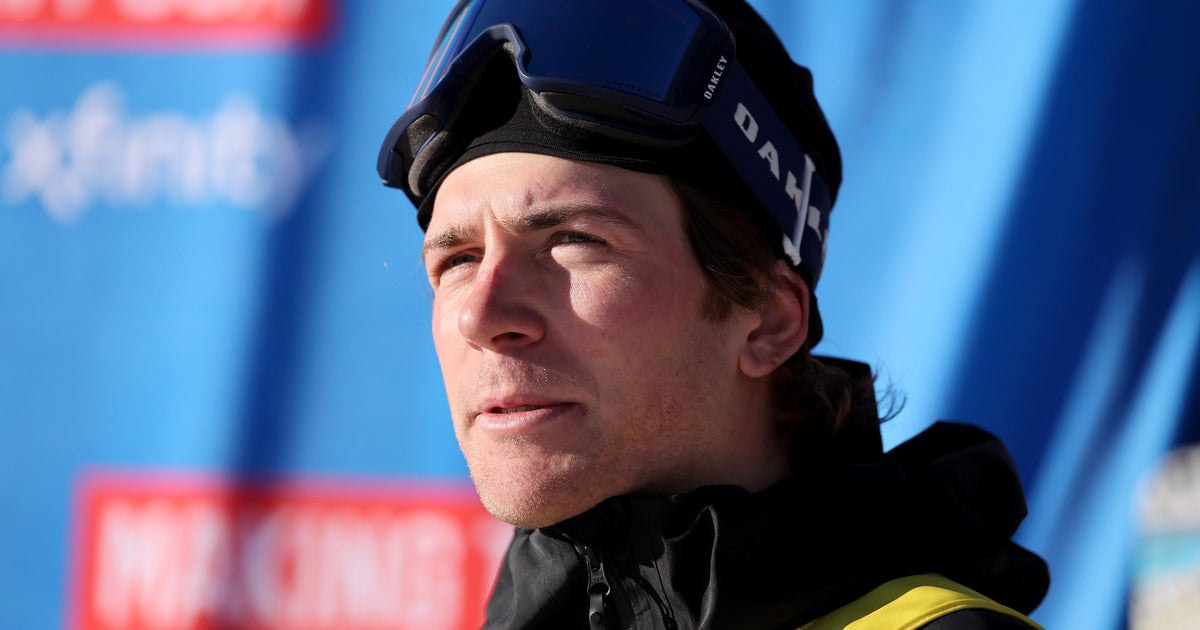
Hunter Hess, an American freestyle skier competing at the Winter Olympics, found himself at the center of a political storm after President Trump publicly criticized him for expressing “mixed feelings” about representing the United States. In a thoughtful social media post on Monday, Hess clarified his position with a statement that resonated with many Americans. “I love my country,” he wrote, emphasizing that his patriotism doesn’t preclude recognizing areas where America could improve. He went on to explain that one of the fundamental strengths of the United States is the freedom citizens have to voice concerns and criticisms—a right protected by the very Constitution that defines American democracy. Hess pointed out that the Olympic Games serve a vital purpose in bringing people together, something he believes is desperately needed during these divisive times. Rather than backing down from his original comments, he reaffirmed his pride and excitement about competing for Team USA, thanking supporters who stood by him. His response demonstrated a mature understanding that true patriotism involves both celebrating what’s great about your country and working to address its shortcomings.
Fellow Athletes Share Complex Feelings About Representation
When journalists asked American snowboarders about President Trump’s harsh words toward Hess—calling him “a real loser”—several athletes took the opportunity to share their own nuanced perspectives on what it means to represent the United States in 2026. Bea Kim acknowledged the obvious divisions within the country but expressed personal pride in wearing the Team USA uniform. She made an important point about diversity being a source of American strength rather than weakness, suggesting that differing opinions and backgrounds make the nation special. Maddie Mastro echoed similar sentiments, expressing both pride in representing her country and sadness about current events at home. She refused to “turn a blind eye” to troubling developments while simultaneously affirming that she represents American values of kindness and compassion, particularly important during times of injustice. Perhaps most poignantly, two-time Olympic gold medalist Chloe Kim spoke from the perspective of someone whose parents immigrated to America. For Kim, the current political climate “hits pretty close to home,” making the moment particularly meaningful and challenging. She credited the United States with providing tremendous opportunities for her family while asserting that Americans should be allowed to voice their opinions on current events. Her call to “lead with love and compassion” reflected a desire to see those values more prominently displayed in national discourse.
Olympic Officials Maintain Diplomatic Neutrality
The International Olympic Committee found itself in the delicate position of responding to questions about a sitting president’s criticism of an athlete competing in the Games. Mark Adams, the IOC spokesperson, took a carefully neutral stance when addressing journalists on Monday. He declined to comment on President Trump’s remarks, noting that the organization maintains this policy regardless of which head of state might be involved. This diplomatic approach reflects the IOC’s longstanding attempt to keep the Olympic Games above partisan political conflicts, even as that goal becomes increasingly challenging in our interconnected, social media-driven world. When pressed about whether additional security measures might be necessary to protect Hess following the president’s public criticism, Adams again declined to discuss specific security arrangements publicly. Meanwhile, the U.S. Olympic and Paralympic Committee issued a statement acknowledging an increase in harmful messages directed at American athletes. According to reports from the Associated Press, the committee confirmed it was actively working to identify credible threats, report them to law enforcement agencies, and remove harmful content from platforms where possible. This response highlighted the very real consequences that can follow when athletes become targets of high-profile political criticism, raising questions about the responsibility of leaders to consider how their words might endanger those representing the nation on the world stage.
Athletes Use Their Platform to Advocate for Justice
Gus Kenworthy, a skier now competing for the United Kingdom but who previously represented the United States and holds dual citizenship, added his voice to the conversation through a video posted on social media late Sunday. Kenworthy expressed pride in seeing athletes stand up for their beliefs and speak out against injustice. His comments came shortly after he had posted a controversial photo showing an explicit anti-ICE (Immigration and Customs Enforcement) message written in urine in the snow. In his video message, Kenworthy articulated what many athletes seem to feel: that loving your country and being proud of your nationality doesn’t require supporting every policy or action of the current government. He drew a clear distinction between patriotism and blind allegiance to any particular administration, stating plainly that he does not support ICE and finds certain policies “absolutely evil and awful and terrifying.” Chris Lillis, another Team USA freestyle skier, had similarly shared his feelings last week, telling journalists he felt “heartbroken about what’s happened in the United States” and calling for the country to focus on respecting everyone’s rights and treating all people with love and respect. When criticism came his way, Lillis responded with humor, posting a video of himself crashing during a ski run with the caption, “For all the haters here’s one of me crashing to get you stoked. Don’t worry I’m pretty tough.” This resilient response demonstrated that athletes are learning to navigate criticism while maintaining their commitment to speaking their truth.
The Historical Context of Athletes and Politics
According to J. Simon Rofe, an associate professor in sports diplomacy at the University of Leeds, the intersection of athletics and politics is nothing new—in fact, it dates back to the ancient Olympic Games. Rofe pointed to the famous example of American track medalists Tommie Smith and John Carlos, who raised their fists in a Black Power salute on the medal podium at the 1968 Olympics in Mexico City, an image that became one of the most iconic protests in sports history. Throughout Olympic history, athletes have used their elevated platforms to draw attention to social and political issues, sometimes facing severe consequences for their activism. What distinguishes the current moment, Rofe explained, is the unprecedented agency that social media platforms provide to individual athletes. In previous generations, athletes who wanted to make political statements had to rely on dramatic gestures during televised events or hope that journalists would quote them accurately. Today, they can speak directly to millions of followers, controlling their own message and engaging in real-time conversations with supporters and critics alike. This technological shift has fundamentally altered the relationship between athletes, politics, and public discourse, making it far easier for competitors to express nuanced political views without intermediaries shaping or filtering their words.
Sports as a Catalyst for Difficult Conversations
Professor Rofe emphasized that sports have always played a crucial role in bringing communities together and facilitating conversations that might not otherwise occur. The Olympics, as the world’s premier international sporting event, creates a unique space where national identity, athletic excellence, and political expression intersect in complex ways. These conversations, Rofe noted, won’t appeal to everyone—some will align with your values and perspectives, while others will challenge or even offend them. That diversity of viewpoints, however uncomfortable it might be, reflects the reality of democratic societies where citizens hold differing opinions about their nation’s direction and values. The current controversy surrounding Hunter Hess and other American Olympians illustrates this dynamic perfectly. Their willingness to express “mixed feelings” or acknowledge sadness about domestic issues while simultaneously taking pride in representing their country reflects a sophisticated understanding of patriotism that allows for both love and critique. For some Americans, this nuanced position represents the highest form of citizenship—caring enough about your country to want it to live up to its ideals. For others, any criticism of America on the international stage feels like betrayal. As these athletes continue to compete and speak out, they’re demonstrating that the Olympic spirit of bringing people together doesn’t require everyone to think alike, but rather creates opportunities for dialogue across differences, even when those conversations prove challenging or uncomfortable.