


U.S. Military Intensifies Campaign Against ISIS in Syria
Sustained Military Operations Target Terror Network
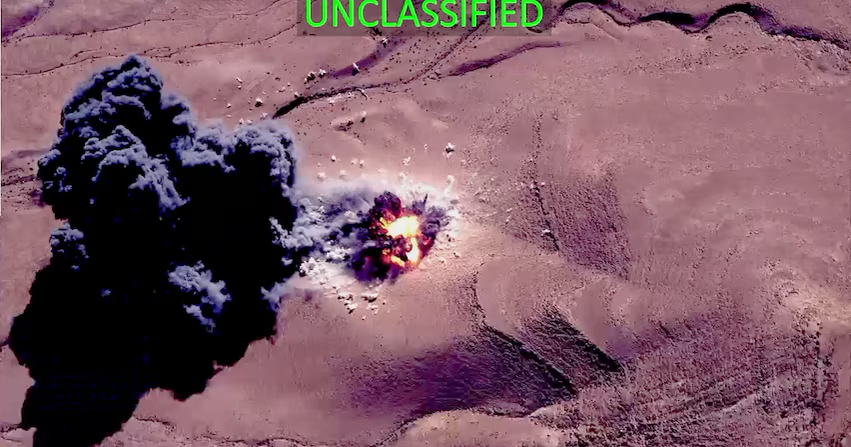
The United States military has maintained an aggressive stance against ISIS in Syria, conducting ten strategic strikes that destroyed more than 30 Islamic State targets during the first half of February. According to U.S. Central Command (CENTCOM), which coordinates American military operations throughout the Middle East, these carefully planned attacks focused on dismantling the terrorist organization’s infrastructure and eliminating weapons storage facilities. The strikes, which took place between February 3rd and February 12th, represent the latest chapter in America’s ongoing commitment to combat terrorism in the region. This sustained military pressure demonstrates the United States’ determination to prevent ISIS from regaining strength and establishing a foothold in Syria, where the terror group once controlled vast territories and inflicted horrific violence on local populations.
Operation Hawkeye Strike: A Response to Fallen Heroes
These recent military actions are part of a larger operation known as Operation Hawkeye Strike, which was initiated following a devastating ISIS ambush in Palmyra, Syria, on December 13th. The attack claimed the lives of three Americans: Sergeant Edgar Brian Torres-Tovar, Sergeant William Nathaniel Howard, and an interpreter who was serving alongside them. The loss of these brave individuals struck a chord throughout the military community and the nation at large, prompting President Trump to promise “very serious retaliation” through a message on Truth Social. This wasn’t empty rhetoric—within days, on December 19th, the United States launched comprehensive airstrikes against ISIS positions throughout Syria. According to U.S. officials who spoke with CBS News, more than 70 targets were destroyed in those initial retaliatory strikes, sending a clear message that attacks on American personnel would not be tolerated and would be met with overwhelming force.
Eliminating Terror Leadership and Disrupting Networks
The American military’s response extended beyond infrastructure targets to include high-value individuals within the terrorist networks. In January, U.S. forces successfully eliminated Bilal Hasan al-Jasim, identified as a leader with affiliations to Al-Qaeda who authorities believe had direct connections to the ISIS gunman responsible for the deadly December ambush. Admiral Brad Cooper, Commander of U.S. Central Command, emphasized the significance of this operation in a powerful statement: “The death of a terrorist operative linked to the deaths of three Americans demonstrates our resolve in pursuing terrorists who attack our forces. There is no safe place for those who conduct, plot, or inspire attacks on American citizens and our warfighters. We will find you.” This declaration underscores the United States’ commitment to pursuing justice for fallen service members and eliminating those who pose threats to American lives, regardless of where they might attempt to hide.
Substantial Impact on ISIS Capabilities
Operation Hawkeye Strike has achieved remarkable results since its inception. According to CENTCOM’s Saturday announcement, the operation has resulted in more than 50 ISIS terrorists being either killed or captured, significantly degrading the organization’s operational capacity. Additionally, U.S. forces have struck more than 100 ISIS infrastructure targets, systematically dismantling the terror network’s ability to plan, coordinate, and execute attacks. These infrastructure targets likely included training facilities, command centers, supply depots, and communication hubs—all essential components of any terrorist organization’s operations. By methodically destroying these facilities, American forces are not only responding to past attacks but also preventing future ones by making it increasingly difficult for ISIS to organize, recruit, train, and equip its fighters. This comprehensive approach reflects lessons learned from years of counterterrorism operations, recognizing that defeating such organizations requires sustained pressure across multiple fronts.
Massive Transfer of ISIS Detainees to Iraq
In a significant development on Friday, U.S. military forces completed an extensive transfer operation that saw more than 5,700 adult male ISIS suspects moved from detention facilities in Syria to Iraqi custody. This massive undertaking, which began on January 21st, was conducted at the request of the Iraqi government in Baghdad—a request that the U.S.-led coalition, which had spent years fighting ISIS across the region, warmly welcomed. Admiral Cooper praised Iraq’s initiative, stating, “We appreciate Iraq’s leadership and recognition that transferring the detainees is essential to regional security.” The transfer represents a crucial step in addressing the long-term challenge of what to do with captured ISIS fighters. For years, these individuals have been held in makeshift detention facilities in Syria, creating security concerns and raising questions about their ultimate fate. By accepting custody of these suspects, Iraq has taken responsibility for ensuring they face justice for their alleged crimes.
Questions About Justice and Regional Security
While the transfer of more than 5,700 ISIS suspects to Iraqi custody marks a significant milestone in the ongoing fight against terrorism, important questions remain unanswered. It’s currently unclear whether all of these prisoners have been charged with specific crimes or even definitively confirmed as ISIS members. This uncertainty raises concerns about due process, the quality of evidence against each individual, and the fairness of future trials. The Iraqi justice system will now face the enormous challenge of processing thousands of cases, determining guilt or innocence, and ensuring that genuine terrorists face appropriate consequences while protecting the rights of anyone who may have been wrongfully detained. The expectation is that these individuals will eventually stand trial in Iraq, but the timeline and procedures for these proceedings remain uncertain. This situation highlights the complex legal and moral questions that arise in the aftermath of conflict with terrorist organizations, where battlefield detentions don’t always come with the same evidentiary standards as traditional law enforcement operations. Nevertheless, the transfer represents progress toward a more sustainable solution than indefinite detention and demonstrates growing regional cooperation in confronting the ISIS threat, with Middle Eastern nations increasingly willing to take direct responsibility for bringing captured terrorists to justice rather than relying solely on international forces.