


Ukraine Under Siege: Zelenskyy Calls for Global Action Against Russian Attacks
A Week of Unprecedented Bombardment
The Ukrainian people endured another devastating week of relentless Russian attacks, prompting President Volodymyr Zelenskyy to make an urgent appeal to the international community. In a sobering assessment shared on social media, Zelenskyy revealed that Russia had launched more than 3,300 weapons into Ukrainian territory over just seven days. This staggering figure includes over 2,000 attack drones, approximately 1,200 guided aerial bombs, and 116 missiles—a barrage of destruction that has targeted everything from residential neighborhoods to critical energy infrastructure. The Ukrainian president emphasized that these attacks continue even as diplomatic channels remain open for potential peace negotiations, highlighting what he views as Russia’s duplicity and disregard for civilian safety. The scale of these attacks represents not just military aggression but a systematic campaign to break Ukrainian resolve by destroying the basic infrastructure that allows communities to function, particularly during the harsh winter months when heating and electricity are matters of life and death.
Weekend Strikes and Mounting Casualties
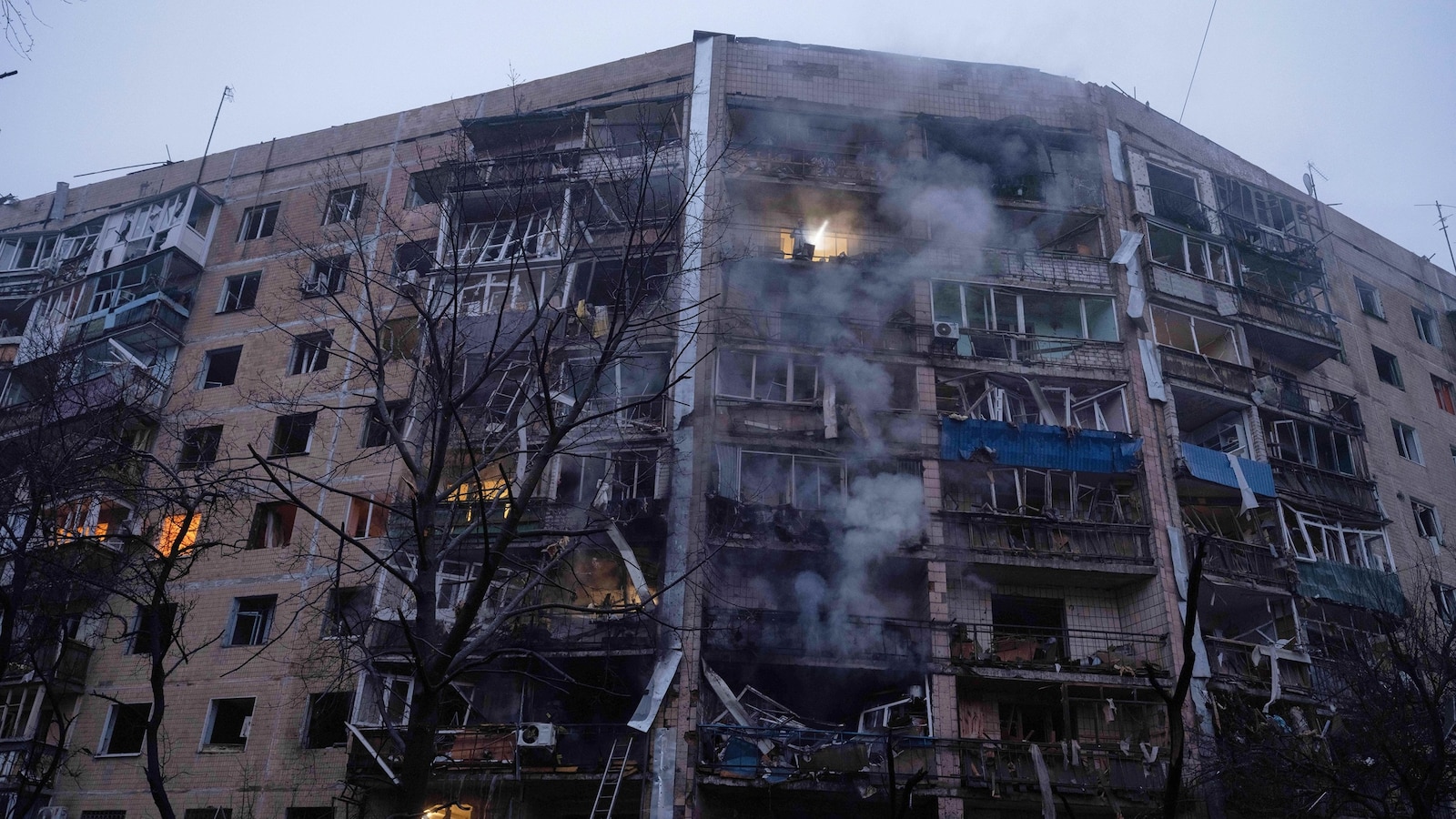
The weekend brought no respite from the violence, as Russia launched wave after wave of drones against Ukrainian positions and civilian areas. On Saturday night extending into Sunday morning alone, Ukrainian air defense forces tracked 101 incoming drones. The country’s defenders managed to shoot down or electronically suppress 69 of these aerial threats—a testament to the skill and dedication of Ukraine’s air force—but 32 drones successfully reached their targets across 13 different locations throughout the country. This attack followed an even more devastating assault on Friday night, which caused widespread power outages across most regions of Ukraine. The timing of these strikes is particularly cruel, as Russia has maintained a sustained offensive against Ukraine’s electrical grid throughout the winter months, leaving millions of civilians in darkness and cold. The State Emergency Service documented specific damage from Saturday’s attacks, including an industrial facility struck in Poltava in central Ukraine, a residential building hit in Kramatorsk in the east, industrial infrastructure damaged in the Black Sea port city of Odesa, and multiple residential buildings struck in Kherson in the south—each representing not just property damage but shattered lives and communities living in constant fear.
The Human Cost and Ukraine’s Defiant Response
President Zelenskyy’s message to the world carried both frustration and determination as he urged global leaders not to “turn a blind eye” to Russia’s escalating aggression. He argued that the absence of a unified international response has only emboldened Moscow to increase both the frequency and brutality of its attacks. The Ukrainian president outlined what his country desperately needs to defend itself: advanced air defense systems, missiles to intercept incoming threats, and weapons for the soldiers who face Russian aggression daily on multiple fronts. Beyond military hardware, Zelenskyy stressed that effective diplomacy requires maintaining constant pressure on Russia, making clear that peace cannot be achieved through negotiation alone while bombs continue to fall on Ukrainian cities. In a pointed statement, he declared that “the price of this war for them must be so high that the war becomes untenable for the Russian Federation.” To back up this principle with action, Zelenskyy announced new Ukrainian sanctions targeting foreign companies accused of supplying critical components used in the production of Russian drones and missiles—an attempt to choke off the supply chains that keep Russia’s war machine functioning.
Targeting the Economic Engine of War
In a candid address to students at the National Aviation University in Kyiv later on Sunday, President Zelenskyy provided insight into Ukraine’s strategic thinking regarding its own long-range strike campaign against Russian territory. He made a compelling argument that Russia’s energy sector represents a legitimate military target because the revenue generated from oil and gas sales directly finances the weapons being used against Ukraine. Zelenskyy laid out the logic clearly: Russia sells oil, uses that money to purchase weapons, and then uses those weapons to kill Ukrainians. By this reasoning, striking Russian energy infrastructure is functionally equivalent to striking weapons manufacturing or military installations—it’s all part of the same war-making apparatus. The Ukrainian president framed this as a simple choice for his country: either build weapons to destroy Russian weapons after they’ve been purchased, or strike at the source of funding that allows Russia to continually replenish its arsenal. This justification for Ukraine’s own long-range attacks demonstrates how the conflict has evolved beyond conventional battlefield engagements into a broader economic and infrastructure war, where both sides seek to degrade the other’s capacity to sustain military operations. True to these words, Ukraine launched its own drone campaign against Russian targets on Saturday night, with Russia’s Defense Ministry claiming to have shot down 22 Ukrainian drones in the overnight hours.
International Intrigue and Assassination Attempts
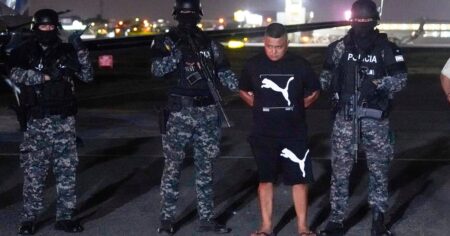
The week’s events took on additional international dimensions with developments surrounding the attempted assassination of Vladimir Alexeyev, a senior Russian military intelligence official, in Moscow on Friday. Russia’s Federal Security Service (FSB) announced on Sunday that a suspect had been arrested in Dubai and extradited to Russian custody in connection with the shooting. Russian authorities identified the suspect as Lyubomir Korba, described as a Russian national born in what was then the Ukrainian Soviet Socialist Republic in 1960. According to Svetlana Petrenko, an official with Russia’s Investigative Committee, Korba had arrived in Moscow in late December specifically to carry out this terrorist act on behalf of Ukrainian special services. Russian Foreign Minister Sergei Lavrov publicly blamed Ukraine for orchestrating the assassination attempt, though Ukrainian authorities have categorically denied any involvement. The victim, Alexeyev, reportedly survived the attack and underwent successful surgery, according to Russian media sources. This incident adds another layer of complexity to an already multifaceted conflict, raising questions about covert operations, cross-border intelligence activities, and the increasingly blurred lines between conventional warfare and shadow operations.
The Path Forward and International Implications
As this brutal war continues with no clear end in sight, the situation facing Ukraine and the international community grows increasingly complex. Zelenskyy’s appeals for continued support highlight a fundamental challenge: sustaining global attention and military assistance as the conflict drags on through its third year. The sheer volume of munitions Russia continues to deploy—over 3,300 in a single week—demonstrates Moscow’s ongoing capacity and willingness to wage a war of attrition, hoping perhaps that Ukrainian defenses will eventually be overwhelmed or that Western support will wane. For civilians caught in the crossfire, the reality is one of daily survival, never knowing when the next air raid siren will sound or whether their neighborhood will be targeted. The attacks on energy infrastructure during winter are particularly devastating, as they leave families without heat, light, or the ability to cook food during the coldest months of the year. Zelenskyy’s argument that sustained international pressure and continued military support are essential for both defense and eventual peace negotiations reflects the difficult reality that Putin’s Russia has shown little indication it will voluntarily cease hostilities. The international community faces ongoing decisions about how much support to provide, what weapons systems to supply, and how to balance the desire for peace with the understanding that a negotiated settlement cannot come from a position of Ukrainian weakness. As both sides continue their respective strike campaigns and the human toll mounts, the world watches to see whether the collective will exists to see this crisis through to a just resolution.