
Bipartisan Senators Unite Against Potential United-American Airlines Merger
Political Opposition Takes Flight
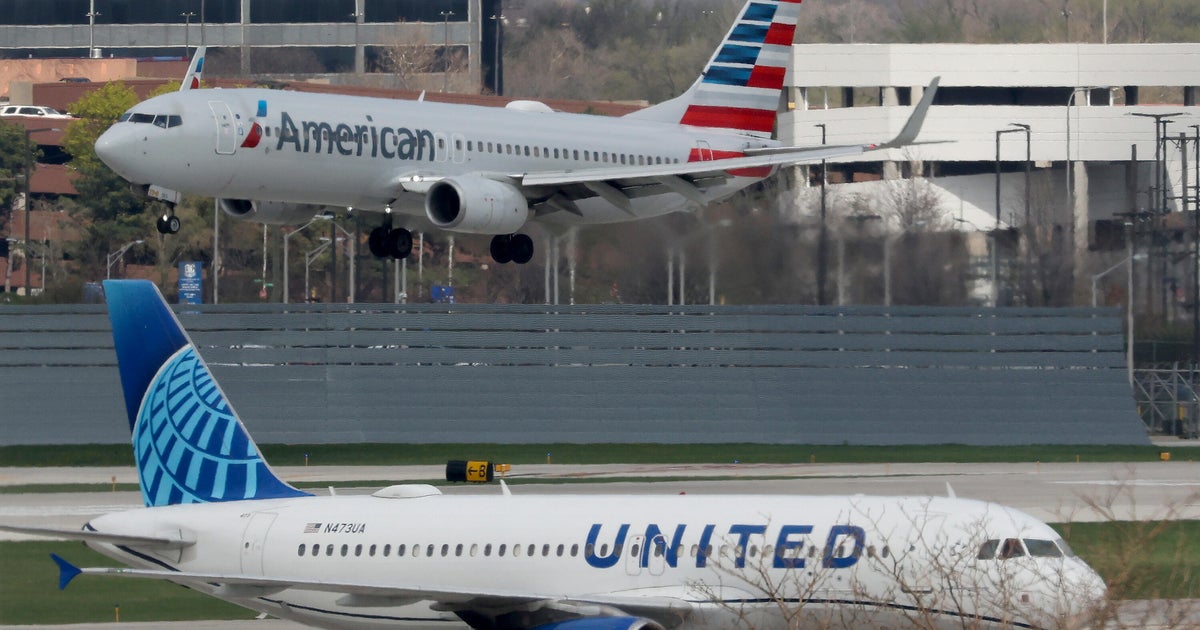
In an increasingly rare display of bipartisan cooperation, two U.S. senators from opposite sides of the political aisle have joined forces to voice strong opposition against a potential merger between United Airlines and American Airlines. Democratic Senator Elizabeth Warren of Massachusetts and Republican Senator Mike Lee of Utah penned a joint letter on April 19 addressed to the chief executives of both airlines, expressing serious concerns about how such a consolidation would negatively impact American consumers, workers, and the competitive landscape of the airline industry. This united front from lawmakers who typically disagree on many issues underscores the gravity of the situation and the widespread concern that such a merger would have far-reaching consequences for air travel in the United States. The letter was sent to United CEO Scott Kirby and American CEO Robert Isom, requesting detailed information about any discussions regarding a potential deal and demanding answers about how such a merger might affect everyday Americans who depend on affordable air travel.
The Competition Concerns and Consumer Impact
At the heart of the senators’ opposition lies a fundamental concern about market competition and its direct effect on consumer wallets. In their strongly-worded letter, Warren and Lee argued that merging United Airlines and American Airlines would significantly reduce competitive pressure within the airline industry, ultimately leading to higher costs for travelers. “If United and American were to merge, airlines would face less pressure from rivals to keep the cost of flying down, and airlines across the industry could raise ticket prices and fees even higher,” the senators wrote. This concern isn’t merely theoretical—the airline industry has already faced criticism for rising ticket prices, additional fees for everything from baggage to seat selection, and reduced service quality in recent years. The senators’ worry is that eliminating competition between two of the nation’s largest carriers would remove one of the few remaining market forces keeping prices somewhat in check. With fewer major airlines competing for passengers, the remaining carriers would have less incentive to offer competitive pricing or quality service, potentially leading to a situation where consumers have little choice but to accept whatever prices and conditions the airlines impose. This could particularly impact travelers in smaller markets or those with limited airline options, who might find themselves with virtually no alternatives if they need to fly.
Beyond Prices: Broader Market Implications
The senators’ concerns extended well beyond just ticket prices to encompass the broader competitive dynamics of the airline industry. In their letter, Warren and Lee specifically highlighted how a United-American merger would “hurt smaller airlines’ ability to compete for critical gate access” at airports across the country. This issue touches on one of the most significant barriers to entry in the airline business—access to airport infrastructure. Gates, takeoff and landing slots, and terminal space are finite resources at most airports, and they’re already dominated by major carriers. If United and American were to combine, the resulting mega-carrier would control an even larger share of these critical assets, making it nearly impossible for smaller airlines to establish or expand their presence at key airports. This would effectively create higher barriers to entry for new competitors and could squeeze existing smaller carriers out of important markets. The result would be further consolidation of market power in the hands of a few dominant players, reducing innovation and limiting the diversity of service options available to consumers. Regional carriers and low-cost airlines that have provided valuable competition and service to underserved markets could find themselves unable to compete effectively against such a massive combined entity.
Workers and Wages in the Balance
Another significant dimension of the senators’ opposition concerns the impact on airline workers and their wages. Warren and Lee pointed out in their letter that combining United and American would reduce wages for airline workers by decreasing the number of employers competing for their labor. This economic principle is straightforward: when there are fewer employers in a market, workers have less bargaining power and fewer options if they’re dissatisfied with their current positions. The airline industry employs hundreds of thousands of workers in various capacities, including pilots, flight attendants, mechanics, customer service representatives, and ground crew members. Many of these workers have already faced challenges in recent years, including during the COVID-19 pandemic when the airline industry experienced massive disruptions. A merger that reduces the number of major employers would give workers fewer alternatives and could suppress wage growth across the industry. This concern aligns with broader labor market issues that have received increased attention in recent years, as policymakers on both sides of the aisle have recognized that excessive market concentration can harm not just consumers but also workers. For the senators, protecting workers’ interests and ensuring they have access to competitive labor markets appears to be just as important as protecting consumers from higher prices.
The Context and Corporate Response
The timing of the senators’ letter is significant, coming less than a week after United CEO Scott Kirby reportedly floated the idea of a merger with Trump administration officials. According to sources familiar with the situation, Kirby brought up a potential United-American tie-up during discussions with administration officials, suggesting that the airline was at least exploring the possibility. However, the response from American Airlines has been swift and unequivocal. In a statement released on Friday, American Airlines dismissed the merger idea entirely, stating that the company is “not engaged with or interested in any discussions regarding a merger with United Airlines.” American went further, echoing some of the senators’ concerns by asserting that such a merger would be “negative for competition and for consumers.” This clear rejection from American Airlines raises questions about whether merger discussions were ever seriously underway or if Kirby’s comments were more exploratory in nature. Nevertheless, the mere suggestion of such a merger was enough to trigger concern from lawmakers and prompt them to demand answers. The senators have requested that both airlines’ chief executives indicate by May 3 whether they have discussed a potential deal and provide details on how such a merger might affect American consumers, suggesting they intend to maintain oversight of the situation regardless of the companies’ current positions.
Looking Ahead: Implications for the Airline Industry
This episode highlights the ongoing tension in the airline industry between market forces pushing toward consolidation and regulatory and political concerns about maintaining adequate competition. The U.S. airline industry has already undergone significant consolidation over the past two decades, with mergers including Delta-Northwest, United-Continental, American-US Airways, and Southwest-AirTran reducing the number of major carriers and reshaping the competitive landscape. Each of these mergers faced regulatory scrutiny, and each promised that consolidation would lead to efficiencies that would benefit consumers. Critics, however, argue that the results have been mixed at best, with reduced service to many smaller markets, higher prices, and fewer choices for consumers. The bipartisan opposition from Senators Warren and Lee suggests that appetite for further airline consolidation may be limited, at least among some key lawmakers. Their intervention sends a signal to the airline industry that proposed mergers will face serious scrutiny from Congress, regardless of which party controls the White House or holds the advantage in the legislature. For consumers, workers, and smaller airlines, this political attention may provide some assurance that their interests will be considered in any future consolidation discussions. The coming weeks will reveal whether this potential merger was a serious proposal or merely a trial balloon, but the strong bipartisan response demonstrates that airline competition remains a priority issue for lawmakers concerned about protecting American consumers and workers in an increasingly concentrated market.