



Advanced U.S. Fighter Jets Deploy to Israel Amid Regional Tensions
Strategic Military Movement Signals Strengthened Alliance
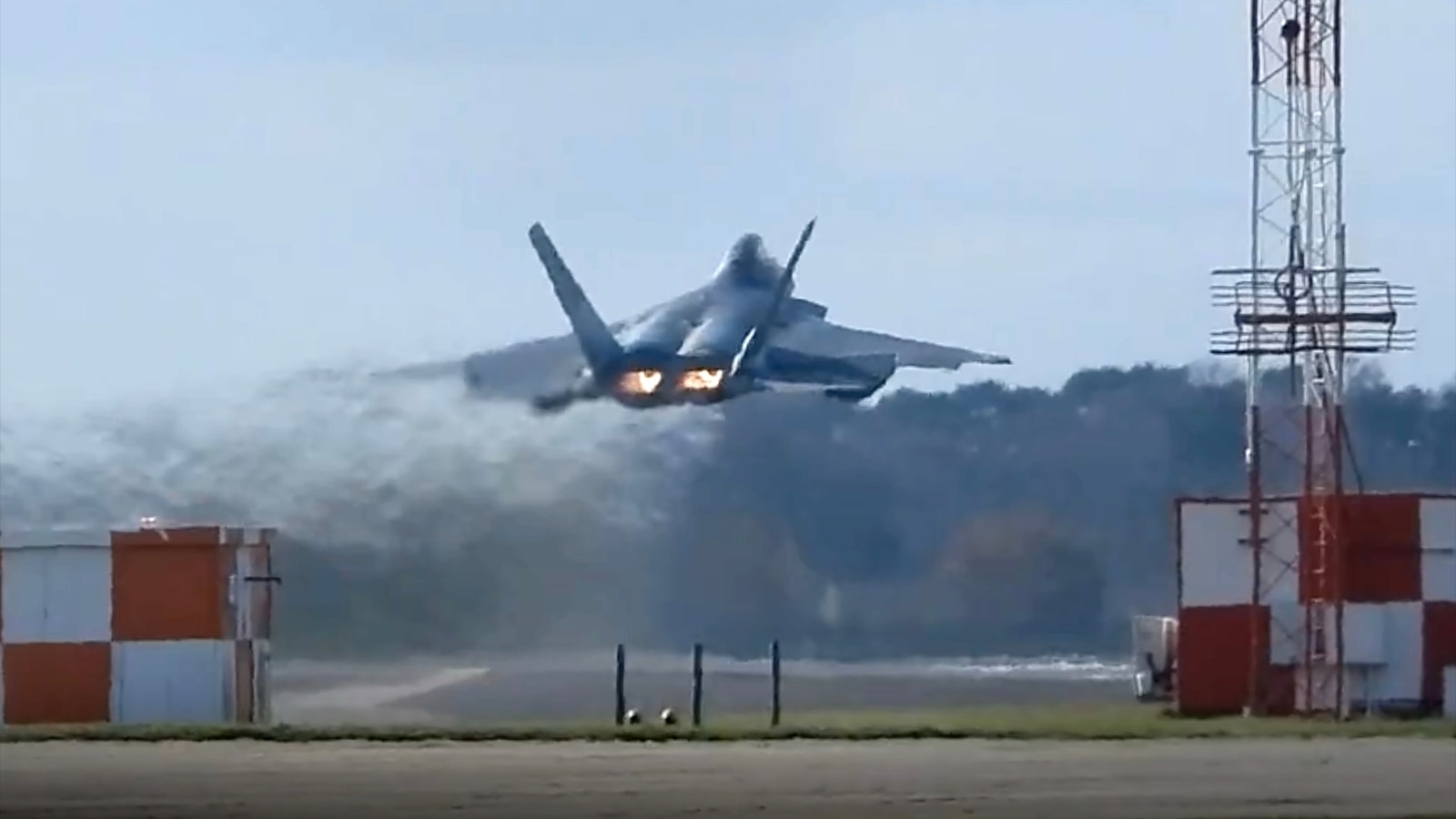
In a significant military development that underscores the ongoing security cooperation between the United States and Israel, approximately twelve advanced F-22 Raptor fighter jets have recently touched down on Israeli soil, according to confirmation from a U.S. official familiar with the deployment. This movement of some of America’s most sophisticated air superiority fighters represents a notable escalation in the U.S. military presence in the Middle Eastern region and demonstrates the continuing commitment of Washington to support its key strategic ally during a period of heightened regional uncertainty.
The deployment didn’t go unnoticed by aviation enthusiasts and defense observers who tracked the fighters as they departed from Royal Air Force base Lakenheath in the United Kingdom on Tuesday morning. RAF Lakenheath, located in Suffolk, England, has long served as a crucial hub for U.S. Air Force operations in Europe and has increasingly become an important staging point for American military assets being repositioned to various global hotspots. The base’s strategic location makes it an ideal waypoint for aircraft traveling from the continental United States to the Middle East, allowing for crew rest, aircraft maintenance, and logistical coordination before the final leg of such long-distance deployments.
Building Military Presence in a Volatile Region
Over recent weeks, RAF Lakenheath has witnessed a steady stream of U.S. military aircraft using its facilities as they make their way toward the Middle East, forming part of what defense officials describe as an ongoing military buildup in the region. This gradual increase in American military assets demonstrates a calculated and deliberate approach to reinforcing U.S. capabilities and readiness in an area that has long been characterized by complex security challenges and rapidly evolving threat environments. The deployment of F-22 fighters, in particular, sends a powerful message about American air power capabilities and the seriousness with which Washington views the current security situation.
The F-22 Raptor represents the pinnacle of American air combat technology, widely regarded as the world’s premier air superiority fighter. With its unique combination of stealth capabilities, advanced avionics, supersonic cruise speed, and unprecedented maneuverability, the F-22 provides capabilities that no adversary can match in aerial combat. The decision to deploy these particular aircraft, rather than other fighter types in the U.S. inventory, signals the importance of this mission and the potential threats that planners may be anticipating. Each F-22 costs approximately $150 million and represents decades of technological development, making their deployment a statement of both capability and commitment.
Operational Security and Tactical Procedures
Interestingly, the F-22 fighters conducted their flight to Israel with their transponders deactivated, a detail that reveals important information about operational security protocols and the tactical nature of the deployment. Transponders are electronic devices that broadcast an aircraft’s identity, altitude, and position to air traffic control systems and other aircraft, essentially making planes visible to civilian and military radar systems. By flying with transponders off, the F-22s maintained a lower electronic profile, making their exact movements less transparent to observers and potential adversaries who might be monitoring air traffic in the region. This practice is common for military aircraft conducting tactical operations or deployments to sensitive areas where operational security is paramount.
However, the fighters didn’t make the journey alone or without any tracking signature whatsoever. They were accompanied by aerial refueling tankers that kept their transponders activated throughout the flight. These tanker aircraft, likely KC-135 Stratotankers or the newer KC-46 Pegasus, are essential for extending the range of fighter aircraft on long-distance deployments, allowing them to cross oceans and continents without landing. The fact that the tankers maintained active transponders while the fighters did not represents a calculated balance between operational security and aviation safety, ensuring that civilian air traffic control could maintain awareness of the military formation while still protecting some tactical details of the fighter deployment.
Broader Pattern of Military Movements
The deployment of these F-22 fighters is not an isolated incident but rather part of a broader pattern of increased U.S. military activity in the Middle East region. Flight tracking data analyzed by defense observers and aviation enthusiasts has revealed that numerous other fighter aircraft and U.S. military transport planes have also been flying into the Middle East in recent days and weeks. These transport aircraft likely carry the essential support equipment, maintenance personnel, spare parts, weapons, and other logistical necessities required to sustain fighter operations far from home bases. Modern fighter jets, particularly sophisticated platforms like the F-22, require extensive ground support infrastructure and highly trained maintenance crews to remain operational, making these transport flights just as critical as the deployment of the fighters themselves.
This military buildup comes at a time when the Middle East continues to face numerous security challenges, from ongoing conflicts to tensions between regional powers and their proxies. While the specific reasons for this particular deployment have not been publicly detailed by defense officials, such movements typically serve multiple purposes: demonstrating resolve and commitment to allies, deterring potential adversaries from aggressive actions, providing enhanced capabilities to respond to emerging crises, and conducting joint training exercises that strengthen interoperability between U.S. and partner nation forces. The presence of advanced American air power can significantly alter the strategic calculus in any regional confrontation, potentially serving as a stabilizing force that discourages escalation.
Ongoing Developments and Strategic Implications
As this story continues to develop, defense analysts and regional observers will be watching closely for additional information about the scope, duration, and specific mission of this F-22 deployment to Israel. Such deployments can range from short-term training exercises lasting just days or weeks to longer-term rotational presences that extend for months. The number of aircraft involved, the support infrastructure being established, and any public statements from U.S. Central Command or the Pentagon will provide important clues about the intended scope and timeline of this operation. Additionally, any corresponding diplomatic activity or statements from Israeli officials may shed light on the strategic context surrounding this military movement and whether it’s connected to specific regional developments or part of longer-planned security cooperation initiatives.
The deployment of F-22 Raptors to Israel represents a significant moment in the ongoing U.S.-Israeli security partnership and the broader American military posture in the Middle East. These aircraft bring unmatched air combat capabilities to the region and demonstrate the deep commitment that exists between Washington and Jerusalem on security matters. As the situation continues to unfold, the presence of these advanced fighters will undoubtedly factor into the strategic calculations of all regional actors, potentially influencing decision-making on matters ranging from military operations to diplomatic negotiations. For now, the sight of these sleek, formidable aircraft on Israeli tarmac serves as a powerful reminder of the enduring nature of transatlantic security commitments and the continuing importance of the Middle East in American strategic planning.