


Understanding the Growing Measles Crisis in America: What You Need to Know
A Sudden and Alarming Surge in Cases
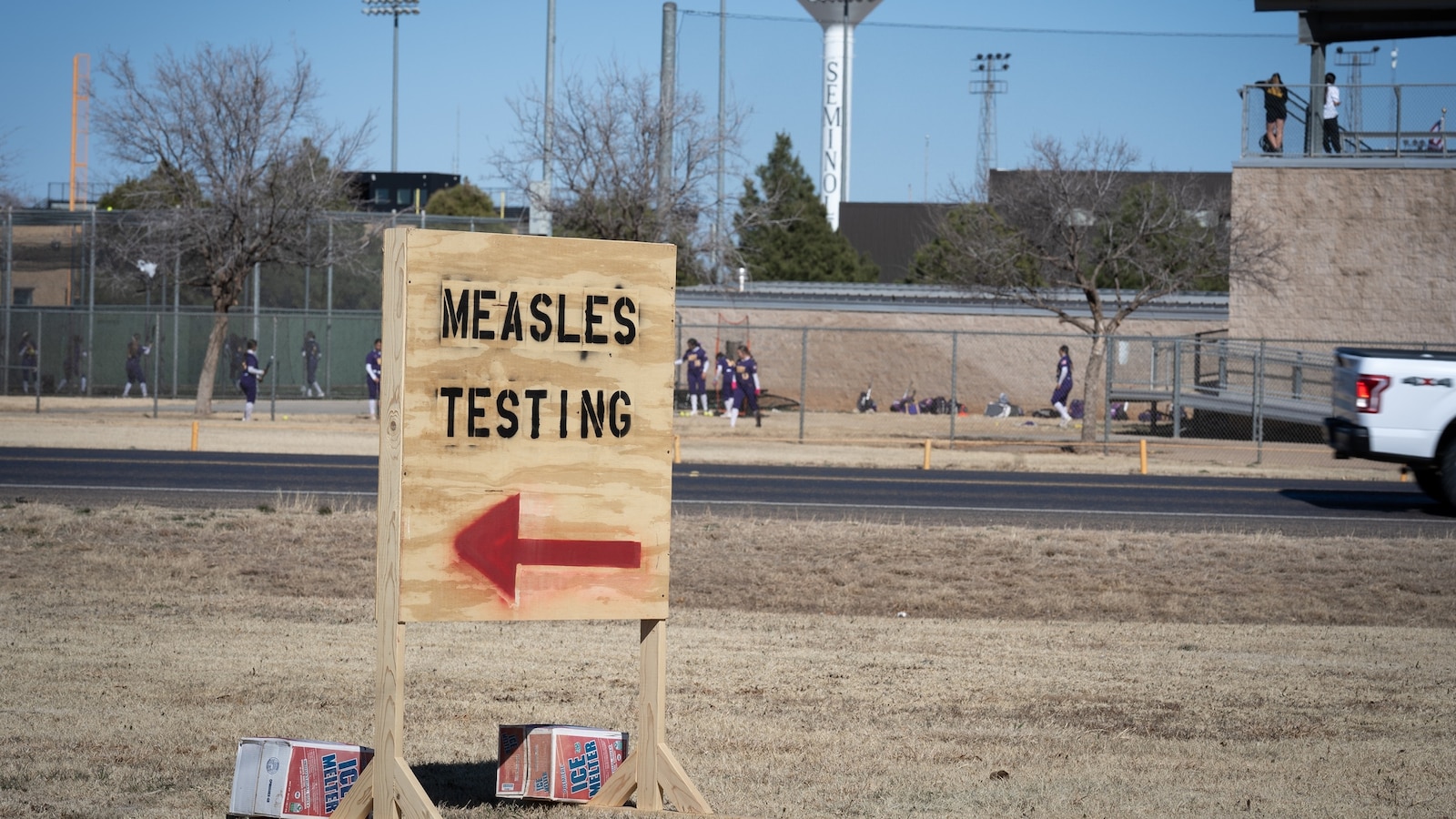
The United States is facing a concerning public health challenge as measles cases continue to climb at an alarming rate. Recent data from the Centers for Disease Control and Prevention reveals that at least 245 new measles cases have been reported, bringing the total number to 416 cases across 14 states this year. What makes this particularly worrisome is how quickly these numbers are rising and where they’re coming from. The affected states span from coast to coast, including Arizona, California, Florida, Georgia, Idaho, Kentucky, Minnesota, North Carolina, Ohio, Oregon, South Carolina, Utah, Virginia, and Washington. Perhaps most significantly, nearly all of these cases—all but three—are homegrown, meaning they originated within the United States rather than being brought in by international travelers. This detail is crucial because it indicates that measles is actively spreading within American communities, not just being imported from abroad.
The demographics of who’s getting sick paint a clear picture. The overwhelming majority of cases—about 94%—are occurring among people who either haven’t been vaccinated against measles or whose vaccination status remains unknown. Only a small fraction of cases, about 3% each, are among those who received just one dose of the measles, mumps, and rubella (MMR) vaccine or those who completed the recommended two-dose series. Most patients are under 19 years old, and while the hospitalization rate currently stands at about 2%, the rapid spread of the disease has health experts deeply concerned. Dr. Kristin Moffitt, an infectious diseases physician at Boston Children’s Hospital, didn’t mince words when she said she’s “very alarmed” by the increase in measles cases over the past year or two, adding that she’s “very worried about our current year already.”
South Carolina’s Historic Outbreak
While measles cases are spreading across multiple states, South Carolina has become the epicenter of what health officials are calling the state’s largest measles outbreak in more than three decades. The situation there illustrates just how quickly this highly contagious disease can spread through communities when vaccination rates drop. The South Carolina Department of Public Health reported 54 new cases in a single day recently, pushing the state’s total to an staggering 700 cases. This outbreak, which actually began last year, shows no signs of slowing down and serves as a stark warning to other states about what can happen when measles gains a foothold in communities with lower vaccination coverage.
The public health response in South Carolina has been massive and challenging. Currently, 485 people are in quarantine while 10 are in isolation, with the latest quarantine period expected to end on February 14. These numbers represent not just the sick individuals but also everyone who may have been exposed and needs to be monitored. The ripple effects of such an outbreak extend far beyond just those who contract the disease—families are disrupted, schools may need to close, workplaces are affected, and the healthcare system becomes strained. The fact that this is the largest outbreak South Carolina has seen in over 30 years underscores just how unusual and serious the current situation has become. It also reminds us that measles, a disease many Americans thought was largely relegated to history books, remains a very real and present danger when vaccination rates decline.
The Vaccination Gap: Understanding What’s Behind the Outbreak
Health experts are unanimous in identifying the root cause of the current measles surge: declining vaccination rates across the country. Dr. Moffitt was unequivocal in her assessment, stating, “This is entirely due to declining vaccination rates. It’s very clear based on where these outbreaks are occurring.” The numbers back up this conclusion. The CDC currently recommends that children receive two doses of the MMR vaccine—the first between 12 and 15 months of age and the second between 4 and 6 years old. This two-dose schedule is highly effective, with one dose providing 93% protection against measles and two doses offering 97% protection. When you consider how contagious measles is (one of the most contagious diseases known to humanity), these high effectiveness rates are exactly what’s needed to keep communities safe.
However, federal data reveals a troubling trend in vaccination coverage. During the 2024-2025 school year, only 92.5% of kindergartners received the MMR vaccine. While this might sound like a high percentage, it actually represents a decline from the 92.7% seen the previous school year and a significant drop from the 95.2% coverage achieved during the 2019-2020 school year, before the COVID-19 pandemic disrupted normal healthcare patterns. Dr. Robert Frenck, a professor of pediatrics in the division of infectious diseases at Cincinnati Children’s Hospital, explained the cumulative danger of this trend: “What our concern is, is that as you have lower vaccination rates each year, you’re gonna get a bigger and bigger population of people that are not immune, and so it’s gonna increase your likelihood of having outbreaks.” In other words, each year’s decrease in vaccination rates doesn’t just affect that year’s children—it builds a growing pool of vulnerable people who can fuel future outbreaks.
The Geography of Risk: Not All Communities Are Equal
One of the most important things to understand about the current measles situation is that risk isn’t distributed evenly across the country. Recent collaborative research from Boston Children’s Hospital, Harvard School of Medicine, and Icahn School of Medicine at Mt. Sinai has created a detailed map that allows Americans to check the measles risk in their specific area by entering their ZIP code. What this research reveals is eye-opening: there’s a wide range of risk levels in different communities across the United States. Some counties and ZIP codes fall into the “lowest risk” category, with 85% or more of children under 5 years old having received at least one measles vaccine dose. On the opposite end of the spectrum, some areas are classified as “very high risk,” with fewer than 60% of children under age 5 having received even one measles vaccine dose.
This geographic variation in vaccination coverage has serious implications. Dr. Moffitt explained that many counties are now below the critical 95% vaccination threshold needed to achieve what’s called “herd immunity.” Herd immunity is a crucial concept in public health—it occurs when enough people in a community are vaccinated that the disease has difficulty spreading because there are so few vulnerable people to infect. When a community achieves herd immunity, even people who cannot be vaccinated (such as infants too young for the vaccine, people with certain medical conditions, or those with compromised immune systems) are protected because the disease simply can’t gain traction in the population. However, when vaccination rates drop below this threshold, these vulnerable individuals lose that protective shield, and the entire community becomes susceptible to outbreaks. As Dr. Moffitt warned, “If these numbers continue to increase, we could see significant surges, and they will be very local surges in hospital admissions for measles and complications of the measles.”
Why Measles Demands Our Attention
For younger Americans or those who haven’t experienced measles firsthand, it might be tempting to dismiss it as just another childhood illness, similar to a bad cold or flu. This would be a dangerous mistake. Measles is one of the most contagious diseases known to science. The virus can linger in the air for up to two hours after an infected person leaves a room, and up to 90% of unvaccinated people who are exposed to the virus will become infected. The disease typically begins with high fever, cough, runny nose, and red, watery eyes, followed by the characteristic rash of tiny red spots. But measles is far more than an uncomfortable rash—it can lead to serious complications including pneumonia, encephalitis (swelling of the brain), and even death. Children under 5 years old and adults over 20 are at highest risk for complications, but measles can be dangerous for anyone.
The complications of measles can have lifelong impacts. Some children who contract measles will develop ear infections that can lead to permanent hearing loss. Pneumonia, which occurs in about 1 in 20 children with measles, can be life-threatening. Perhaps most frighteningly, about 1 in 1,000 children with measles will develop encephalitis, which can cause permanent brain damage. There’s also a rare but fatal condition called subacute sclerosing panencephalitis (SSPE) that can develop years after a measles infection, causing progressive neurological deterioration. Before the measles vaccine became available in 1963, an estimated 3 to 4 million people in the United States got measles each year, with approximately 400 to 500 deaths, 48,000 hospitalizations, and 1,000 cases of encephalitis. The vaccine dramatically changed this picture, and measles was declared eliminated from the United States in 2000. The current resurgence represents a step backward in public health that we cannot afford to ignore.
Moving Forward: What This Means for Communities and Families
The current measles outbreak serves as a wake-up call about the importance of maintaining high vaccination rates in our communities. For parents and caregivers, the message is clear: ensuring children receive their MMR vaccines on schedule is one of the most important things you can do to protect both your own children and the broader community. If you’re unsure about your child’s vaccination status, now is the time to check with your healthcare provider and get caught up on any missed doses. For adults who aren’t sure whether they’re protected, a simple conversation with a doctor can determine if you need vaccination or revaccination. People born before 1957 are generally considered immune because measles was so widespread before the vaccine became available, but those born after that year should ensure they’ve had two doses of MMR vaccine unless they have laboratory evidence of immunity or a medical contraindication.
Beyond individual action, this situation calls for renewed community-wide commitment to public health. Schools, childcare centers, and healthcare facilities all play crucial roles in maintaining high vaccination coverage and responding quickly when cases occur. Public health departments need adequate resources to track cases, conduct contact tracing, and manage quarantines and isolations. Community leaders, educators, and healthcare providers need to work together to address vaccine hesitancy with accurate information, empathy, and patience. The good news is that we have safe, highly effective vaccines that can prevent measles—we simply need to use them. As Dr. Moffitt’s concerns make clear, the trajectory we’re on is unsustainable and dangerous, but it’s also reversible if communities come together to prioritize vaccination. The question facing American communities today is whether we’ll learn from this outbreak and take action to protect our most vulnerable members, or whether we’ll allow a preventable disease to continue spreading and causing unnecessary suffering.