


Venezuelan Opposition Figure Faces Continued Detention Despite Brief Release
A Fleeting Taste of Freedom
In a troubling development that highlights Venezuela’s ongoing political crisis, Juan Pablo Guanipa, a prominent opposition leader and close ally of María Corina Machado, finds himself back under arrest just two days after his release from prison. The former governor, who had spent more than eight months behind bars, is now confined to house arrest at his home in Maracaibo, a city in Venezuela’s northwest region. His son, Ramón Guanipa, took to social media to express his family’s frustration and demand justice, making it clear that house arrest is simply another form of imprisonment. “My father remains unjustly imprisoned — because house arrest is still imprisonment — and we demand his immediate and full freedom, as well as the freedom of all political prisoners,” the younger Guanipa wrote on X (formerly Twitter). This latest episode in Guanipa’s ordeal represents just one chapter in the broader story of political repression that continues to unfold in Venezuela, even as the country navigates unprecedented changes in its leadership structure.
The Circumstances of Rearrest
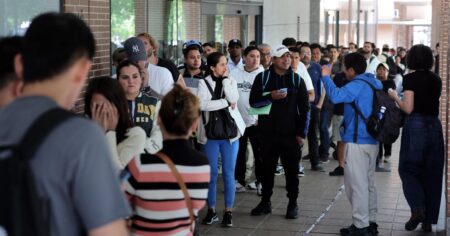
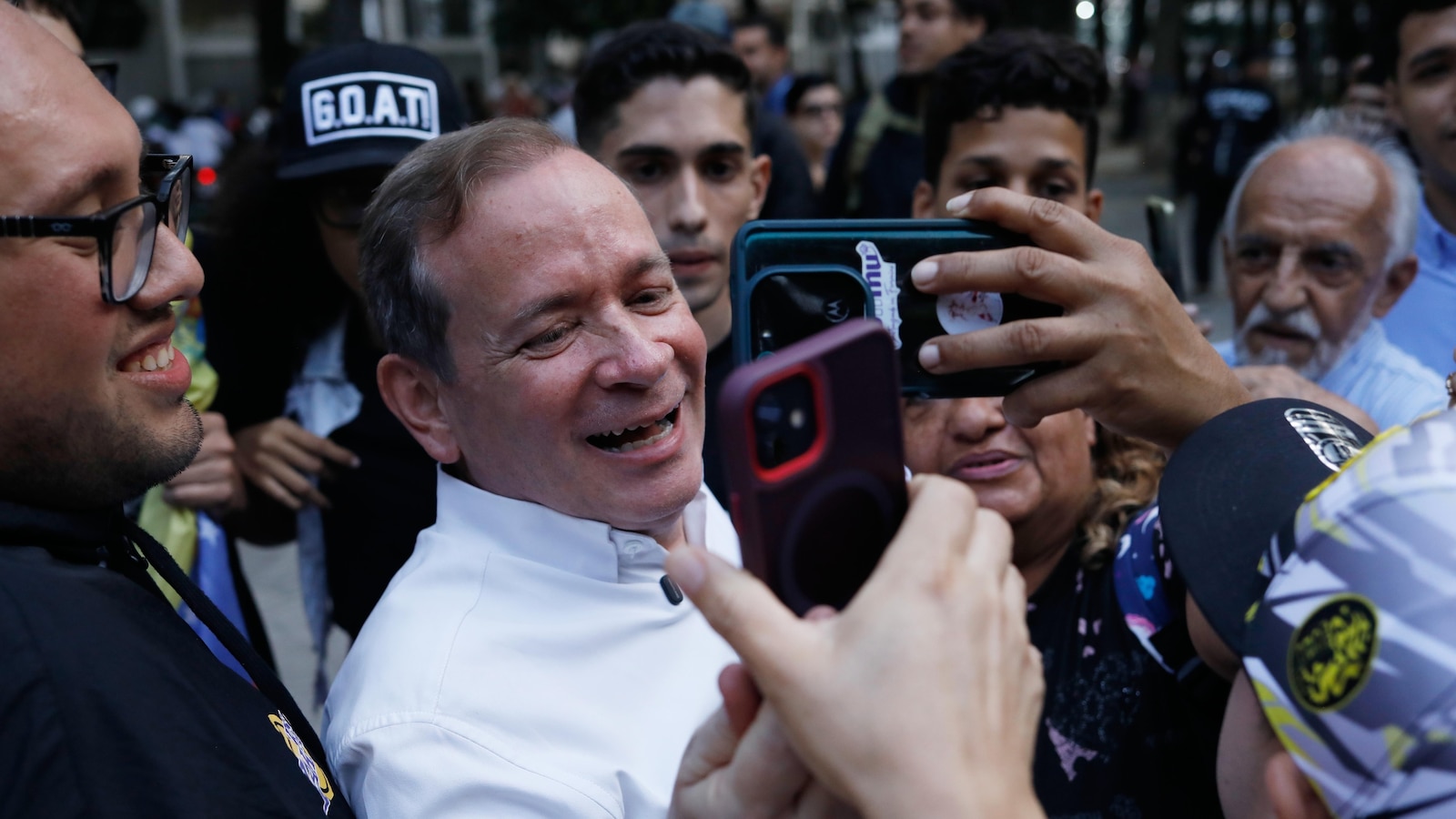
The events surrounding Guanipa’s rearrest paint a picture of a government unwilling to tolerate even peaceful expressions of dissent. According to his son’s account to reporters, Guanipa had been traveling through a Caracas neighborhood on Sunday when armed men in three vehicles intercepted him and others in his group. This dramatic rearrest came merely hours after his initial release, which had been part of a broader effort by Venezuela’s acting government to free several prominent opposition figures. The timing of his detention was particularly significant: Guanipa had joined other recently released prisoners and families of those still detained in demonstrations outside prison facilities. Together with others who had tasted freedom after months or years of politically motivated imprisonment, he participated in peaceful protests, chanting “We are not afraid!” and marching to demand the release of those still behind bars. His decision to stand in solidarity with families waiting desperately for their loved ones appears to have been the trigger for his swift return to custody, despite there being no clear violation of his release conditions.
Conflicting Accounts and Questionable Justifications
The Venezuelan government’s explanation for Guanipa’s rearrest raises more questions than it answers. Attorney General Tarek William Saab’s office claimed that they requested the court to revoke Guanipa’s release “due to his non-compliance with the conditions imposed by the aforementioned court.” However, notably absent from this statement was any specific detail about what conditions Guanipa allegedly violated during the roughly twelve hours he spent as a free man. Ramón Guanipa has vigorously disputed these claims, showing reporters the official court document that outlined only two conditions for his father’s release: monthly check-ins with the court and a prohibition on traveling outside Venezuela. Neither of these conditions, the family insists, was violated during Guanipa’s brief period of freedom. The discrepancy between the government’s vague accusations and the family’s documented evidence suggests that the real reason for the rearrest had nothing to do with technical violations of release conditions and everything to do with Guanipa’s continued political activism and his willingness to speak out publicly against the government’s treatment of political prisoners.
The Broader Context of Political Upheaval
To fully understand Guanipa’s situation, one must consider the extraordinary political circumstances currently unfolding in Venezuela. The country has been thrown into unprecedented turmoil following the U.S. military’s seizure on January 3 of President Nicolás Maduro and his wife, Cilia Flores, from their compound in Caracas. The couple was transported to New York to face federal drug trafficking charges, a development that would have been unimaginable just weeks earlier. In the wake of this dramatic event, Delcy Rodríguez assumed the role of acting president and has faced mounting international and domestic pressure to address Venezuela’s human rights situation, particularly the cases of hundreds of individuals imprisoned for their political activities. The release of opposition figures like Guanipa on Sunday appeared to be a response to this pressure, particularly following a visit to Venezuela by representatives of the U.N. High Commissioner for Human Rights. The Venezuelan prisoners’ rights organization Foro Penal confirmed that at least thirty people were released that day, many of whom had been detained for months or years in connection with their political work or opposition to the government.
Voices of Defiance and Hope
Despite the setback of his rearrest, Guanipa’s brief period of freedom allowed him to send a powerful message of hope and determination to his fellow Venezuelans. Speaking to reporters shortly after his Sunday release, he expressed an optimistic vision for his country’s future: “I am convinced that our country has completely changed. I am convinced that it is now up to all of us to focus on building a free and democratic country.” These words, spoken by a man who had endured more than eight months of imprisonment, reflect the resilience and commitment that characterize Venezuela’s opposition movement. María Corina Machado, the opposition leader with whom Guanipa has worked closely, also weighed in on his situation during a press conference in Washington. Her comments revealed both her analysis of the government’s motivations and her determination to continue the fight for democracy. “They are terrified that Venezuelan society will mobilize and express its voice civically,” she said, referring to Rodríguez’s government. “But let me tell you something, there’s no going back… What will Juan Pablo become now? What will Perkins become as a prisoner in his own home? A reference in this fight.” Machado’s words transform Guanipa’s house arrest from a symbol of government oppression into a rallying point for the opposition movement.
The Road Ahead for Venezuela’s Political Prisoners
The case of Juan Pablo Guanipa highlights the precarious situation facing political prisoners and their families throughout Venezuela. While Sunday’s releases initially offered hope that the acting government might adopt a more conciliatory approach toward political opponents, the swift rearrest of Guanipa and the continued detention of hundreds of others suggests that fundamental change remains elusive. Among those released were several members of Machado’s political organization, including María Oropeza, a local organizer whose 2024 arrest was dramatically livestreamed as military intelligence officers broke into her home with a crowbar. These individuals represent just a fraction of the Venezuelans who have faced imprisonment for their political activities, and their families continue to wait anxiously outside detention facilities, hoping for their own reunions. The international community, particularly through the United Nations and regional organizations, continues to pressure Venezuela’s government to respect human rights and release those detained for political reasons. As Venezuela navigates this period of political transition following Maduro’s detention, the treatment of opposition figures like Guanipa will serve as an important indicator of whether the country is moving toward greater openness and democracy or simply replacing one authoritarian system with another. For now, Guanipa remains confined to his home in Maracaibo, his freedom curtailed but his spirit apparently unbroken, serving as both a victim of political repression and, as Machado suggested, a symbol of resistance for those who continue to fight for a democratic Venezuela.