
The Growing Exodus: How Detained Immigrants Are Choosing Deportation Over Hope
A Breaking Point in America’s Immigration System
Something profound is happening in immigration detention centers across America. As pathways to legal relief become increasingly narrow and conditions deteriorate, a record number of detained immigrants are making a heartbreaking choice: abandoning their cases and accepting voluntary departure from the only country many have ever truly known. According to a comprehensive analysis of immigration court records by CBS News, 28% of completed removal cases among detained individuals ended in voluntary departure in 2024—the highest proportion in recorded history. This troubling trend has only accelerated under the current administration’s hardline immigration policies, with the percentage of voluntary departures among detained immigrants climbing to 38% by December 2025. These statistics represent more than numbers on a spreadsheet; they represent thousands of dreams deferred, families separated, and lives fundamentally altered. The data reflects only those who appeared before immigration judges, not counting the many others subjected to expedited removal without judicial hearings. What’s driving this exodus isn’t simply a change in policy—it’s a complete reshaping of the immigration detention experience into something that many detainees describe as psychologically unbearable.
One Woman’s American Dream Derailed
The human face of these statistics is embodied in the story of Vilma Palacios, a 22-year-old nursing school graduate whose American journey came to a devastating halt. Palacios had lived in the United States since age six, building a life that seemed firmly rooted in Louisiana soil. She attended school, excelled in her studies, and graduated from Louisiana State University’s nursing program in May 2024 with plans to serve her community. Just one month after achieving this milestone, her world collapsed when ICE agents arrested her during a routine car inspection at a local police station. She had no criminal record, no history of legal violations beyond her immigration status—a status that had seemed administratively settled years earlier when her family’s asylum case was closed in 2015. For six months, Palacios experienced the crushing reality of immigration detention in Basile, Louisiana, completely cut off from family and friends. The emotional toll proved unbearable. As she explained, everything was stripped away—her connections to loved ones, her autonomy over the most basic decisions, her sense of dignity. Surrounded by strangers and controlled in every movement, she reached a breaking point where freedom, even if it meant leaving the only home she truly remembered, became more valuable than continuing to fight a case that seemed increasingly hopeless.
Deteriorating Conditions and Vanishing Options
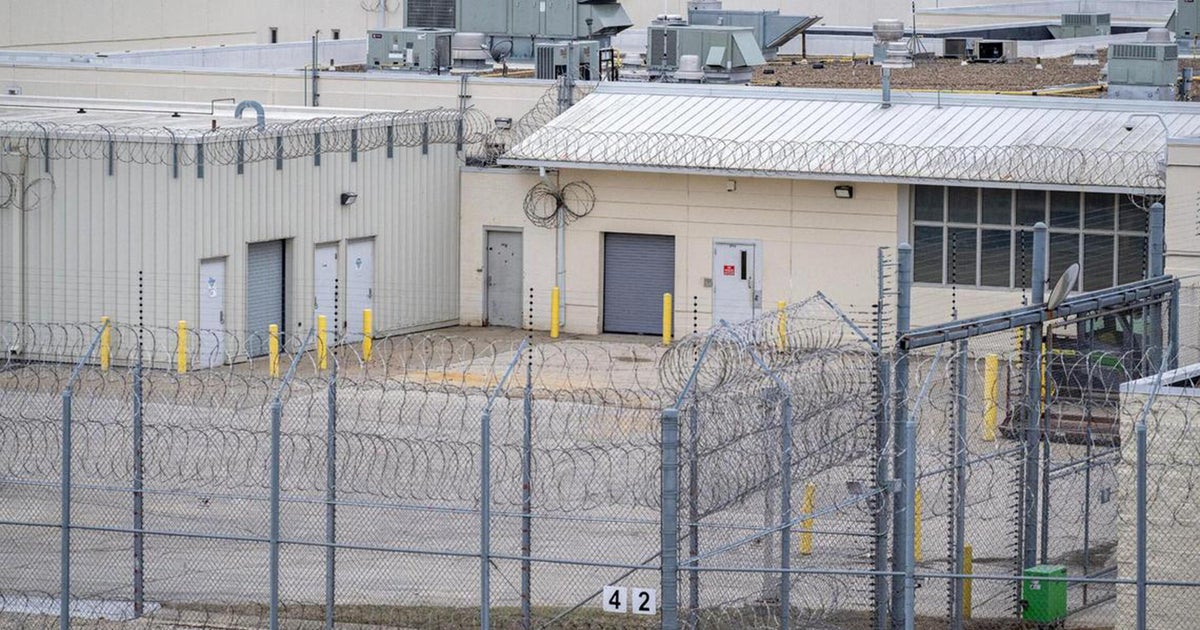
The conditions Palacios and tens of thousands like her endure in detention have reached crisis levels. By mid-January, approximately 73,000 people were held in ICE detention—the highest number ever recorded by the Department of Homeland Security. This massive overcrowding has created what immigration attorneys describe as the worst detention conditions in memory. Palacios witnessed these conditions firsthand, attempting to provide medical assistance to fellow detainees when official healthcare proved woefully inadequate. Women would complain about waiting weeks or even months for medical treatment when ill, but detention staff instructed Palacios to stop helping. This healthcare crisis represents just one aspect of a broader system failure that’s pushing detainees toward voluntary departure. Perhaps even more significantly, the possibility of release while cases proceed has virtually evaporated. Bond hearings—which previously offered many detainees a pathway to freedom while their cases wound through the courts—have become dramatically less favorable. In 2024, only 30% of bond rulings favored detainees, plummeting from 59% the previous year. Palacios herself requested bond, arguing that her deep roots in America, her nursing career prospects, and her clean record warranted release. The judge denied her request without apparently considering these factors. Under current policies, the Trump administration has moved to subject anyone who entered the country illegally to mandatory detention, effectively removing judges’ authority to grant bond in many cases. Though a California district judge ruled this sweeping use of mandatory detention unlawful, the chief immigration judge issued guidance stating the ruling wasn’t binding—leaving detainees with few options.
A System Designed to Break Spirits
Immigration attorneys working within this system describe a fundamental transformation in how cases proceed and how detainees respond. Jennifer Grant, a supervising attorney at the Legal Aid Society in New York, notes that people have lost hope after watching others fight their cases only to be denied, attend bond hearings only to be rejected, and exhaust every legal avenue without success. The fear factor extends even to the judges themselves, according to Grant, with some potentially afraid to rule against the administration’s deportation agenda after dozens of their colleagues were fired. One immigrant, identified only as U.G. to protect her ongoing legal efforts, spent 13 months in detention before actually feeling relieved when a judge ordered her deportation. Though she didn’t request voluntary departure, she reached a point where she tried convincing her legal team to request her removal, unable to bear continuing in detention. She calculated that even if granted relief, the government would likely appeal, extending her detention indefinitely or potentially sending her somewhere other than her native Mexico. Christopher Kinnison, an immigration attorney practicing in Louisiana for 15 years, confirms that his clients increasingly believe their chances of winning cases have plummeted. The statistics support this perception: asylum grant rates, which exceeded 50% monthly from 2022 to 2024, had crashed to just 29% by December 2025. The Department of Homeland Security has also begun cutting thousands of asylum cases short by requesting judges send asylum seekers to third countries rather than allowing them to pursue their claims.
The Bitter Reality of “Voluntary” Departure
Even the process of voluntary departure—supposedly a more dignified alternative to forced removal—reveals the harsh realities of the current system. When Palacios finally agreed to return to Honduras after her six-month detention ordeal, she was transported in handcuffs with metal chains around her waist and feet. She describes the experience as deeply dehumanizing, noting that despite supposedly leaving voluntarily, she was treated like a criminal or hostage rather than someone making their own choice. This treatment underscores a fundamental question about what “voluntary” truly means in this context. When detention conditions become unbearable, when bond becomes virtually impossible, when asylum grant rates plummet, and when every legal pathway seems blocked, can departure really be considered voluntary? Or is it simply choosing the lesser of two terrible options—accepting deportation to escape indefinite detention under deteriorating conditions? The Department of Homeland Security maintains that Palacios “freely admitted to being in the U.S. illegally” and “never sought or gained any legal status,” though Palacios disputes this, stating she was awaiting work permit renewal when arrested and believed she was following all necessary procedures to remain lawfully. A DHS spokesperson described the immigration courts as independent adjudicators deciding matters case-by-case according to law, but the dramatic statistical shifts suggest systemic changes rather than merely individual case outcomes.
Rebuilding in the Shadow of Lost Dreams
Now in Honduras, a country she barely remembers, Palacios is attempting to rebuild a life from fragments. She has begun volunteering at a local toy drive, seeking ways to serve her new community even as she mourns the loss of everything she built in America. Yet she hasn’t abandoned hope entirely. Her dream of becoming a nurse in the United States persists, though she recognizes it may remain deferred for years or forever. She speaks of possibly gaining nursing experience in Honduras while maintaining hope that an opportunity might someday emerge to return to the country she considers home. Her story reflects a broader tragedy unfolding across America’s immigration detention system—thousands of people with deep roots, clean records, and promising futures having those possibilities severed, not through criminal conviction or fair adjudication, but through a system that has transformed detention into something so psychologically unbearable that accepting deportation becomes the rational choice. The rising voluntary departure rate isn’t evidence that detained immigrants lack valid claims or strong cases; it’s evidence of a system that has made pursuing those claims so difficult that even those with the strongest attachments to America are choosing to leave rather than continue fighting. As immigration enforcement expands and detention populations swell, this trend shows no signs of reversing, raising fundamental questions about justice, humanity, and whether a system that breaks people’s spirits can truly be called voluntary.