


Walmart Settles $100 Million Case Over Driver Pay Deception
Major Retailer Accused of Misleading Gig Workers About Earnings
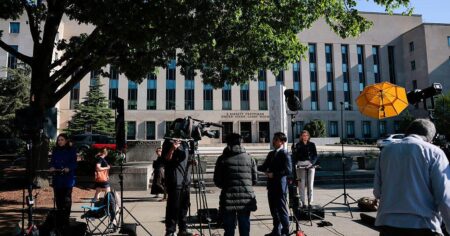
Walmart, the world’s largest retailer, has reached a significant settlement agreement worth $100 million to resolve serious allegations that it deliberately misled its delivery drivers about their potential earnings. The case, which was brought forward by the Federal Trade Commission working alongside eleven states, centers on accusations that Walmart provided false and misleading information to workers in its Spark Delivery network regarding various aspects of their compensation, including base pay rates, incentive payments, and tips they could expect to receive. A company spokesperson confirmed that Walmart has already begun issuing payments to affected workers and committed to continuing these payments “as appropriate” to resolve the matter. This settlement represents a substantial acknowledgment of wrongdoing by one of America’s most prominent employers and highlights growing concerns about how gig economy platforms treat their workers.
How Walmart’s Spark Delivery Program Works
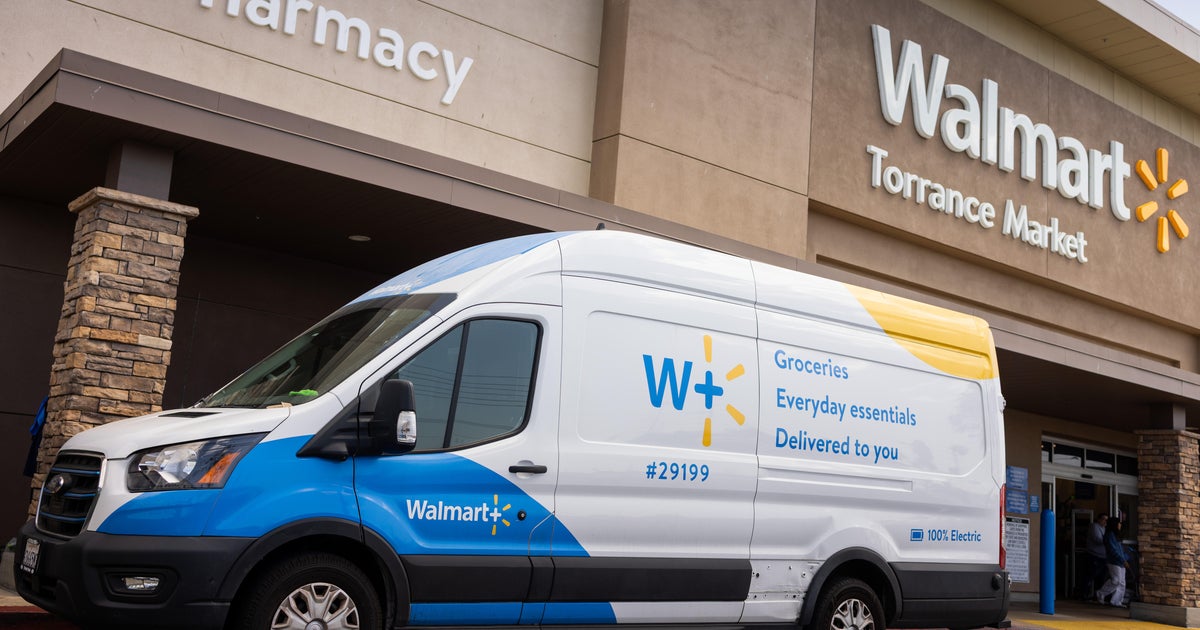
To understand the significance of this case, it’s important to know how Walmart’s delivery system operates. The retail giant depends heavily on its extensive network of independent drivers to expand its business reach, enabling the company to offer convenient grocery and product deliveries from thousands of stores across the country. The Spark Delivery program, which launched in 2018, operates as a gig-work platform that allows independent contractors to sign up and make deliveries on behalf of Walmart. These workers aren’t traditional employees but rather independent drivers who can choose which delivery jobs to accept through the Spark mobile application. The program’s flexibility extends beyond Walmart, as Spark drivers can also perform delivery tasks for other major retailers including Home Depot and 1-800-Flowers, giving workers the ability to piece together income from multiple sources throughout their workday.
The Heart of the Allegations: Deceptive Pay Practices
The FTC’s complaint outlines several specific ways that Walmart allegedly deceived its Spark drivers since 2021, creating a pattern of misleading practices that cost workers tens of millions of dollars in lost earnings. According to the agency, drivers typically make decisions about whether to accept delivery “offers” through the Spark app based on their expectations of how much money they’ll earn from each job. However, the FTC alleges that Walmart failed to disclose certain critical details about compensation, effectively tricking drivers into accepting jobs under false pretenses about their actual earning potential. One particularly troubling allegation involves how Walmart handled tips when multiple drivers were assigned to complete a single customer order. The company would display the full tip amount to each driver in the app, creating the impression that each driver would receive that entire tip. In reality, Walmart split that single tip across all the drivers working on that order, meaning each driver received only a fraction of what they believed they would earn. This deceptive practice made delivery offers appear more lucrative than they actually were, influencing drivers’ decisions about which jobs to accept based on false information.
Broader Implications for Workers and Customers
The FTC’s case against Walmart extends beyond just the drivers themselves—it also involves allegations that the company misled its customers. According to the complaint, Walmart falsely assured customers that 100% of any tips they added to their orders would go directly to the drivers who delivered their purchases. This promise was apparently untrue, as the company’s practice of splitting tips among multiple drivers meant that the full tip amount didn’t actually reach the driver that customers believed they were rewarding for good service. Christopher Mufarrige, Director of the FTC’s Bureau of Consumer Protection, emphasized the fundamental importance of honest communication in employment relationships, stating that “labor markets cannot function efficiently without truthful and non-misleading information about earnings and other material terms.” This statement underscores a crucial principle: workers need accurate information to make informed decisions about their employment, and when companies provide false or misleading information, they undermine the entire foundation of fair labor practices. The FTC also claims that Walmart was fully aware these problems existed but chose not to take any meaningful action to address them, suggesting that the deceptive practices weren’t accidental mistakes but rather deliberate choices by the company.
Legal Violations and Regulatory Oversight
The settlement addresses violations of multiple legal frameworks designed to protect workers and consumers. According to the FTC, Walmart’s actions violated FTC guidelines, federal law, and several state laws, which is why the case involved not just the federal agency but also eleven state governments working together to hold the company accountable. This multi-jurisdictional approach reflects the widespread nature of the alleged misconduct and the serious view that regulators took of Walmart’s practices. The case represents part of a broader trend of increased regulatory scrutiny on gig economy platforms and how they treat workers. As more Americans turn to gig work for income—whether as a primary job or to supplement other earnings—questions about fair pay, transparency, and worker protections have become increasingly important to policymakers and enforcement agencies. The $100 million settlement sends a strong message to other companies operating gig worker platforms that deceptive practices regarding pay will result in significant financial consequences and legal action.
Looking Forward: What This Means for Gig Workers and the Industry
This settlement represents a significant victory for gig workers and may signal changes ahead for how delivery platforms operate. The case demonstrates that even major corporations like Walmart can be held accountable when they mislead workers about compensation, which could encourage more workers to speak up about unfair practices they experience. For the thousands of Spark drivers affected by Walmart’s deceptive practices, the settlement means they’ll finally receive compensation for the earnings they were wrongfully denied, though the individual amounts workers receive will likely vary based on how much they were shortchanged. Beyond the immediate financial relief for affected drivers, this case could prompt broader reforms in how gig economy platforms communicate with workers about pay. Clear, honest information about earnings is essential for workers to make informed decisions about which jobs to accept and how to manage their time most profitably. The settlement may also encourage other gig workers who feel they’ve been misled about pay to come forward with complaints, potentially leading to additional investigations and enforcement actions across the industry. As the gig economy continues to grow and evolve, cases like this one establish important precedents about the responsibilities companies have to provide truthful, complete information to the workers who make their business models possible.