
Maryland Governor Wes Moore Steps Into the National Spotlight with Strategic Commencement Tour
A Rising Star Takes His Message to Key Battleground States
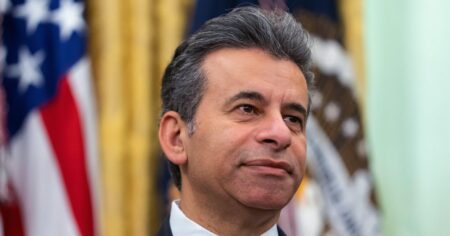
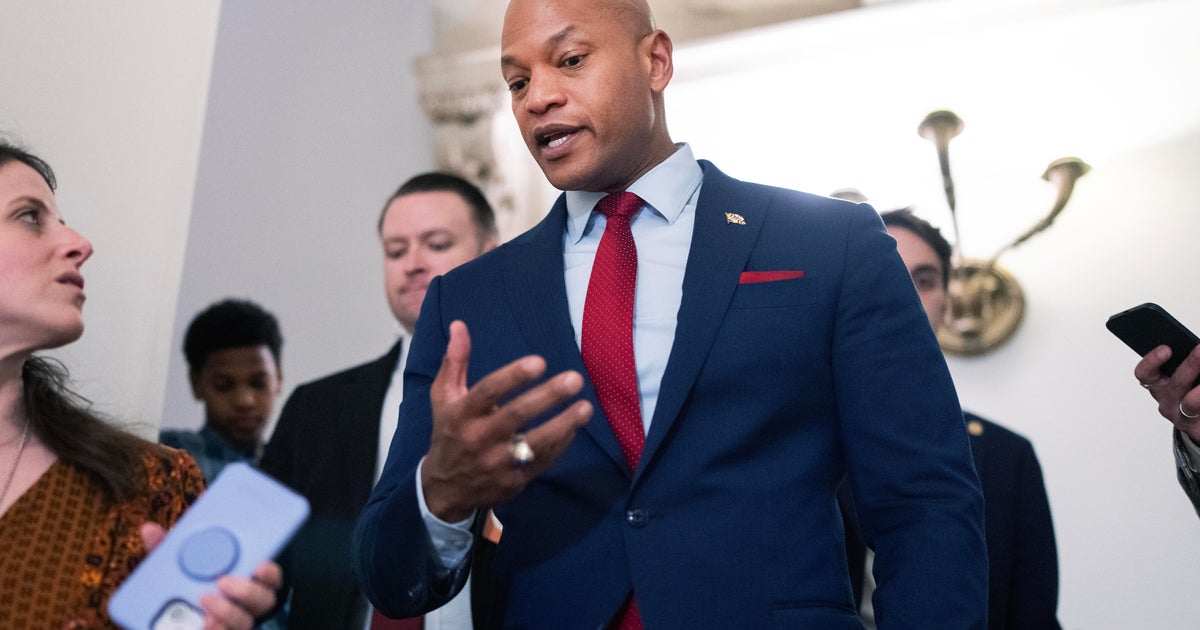
Maryland Governor Wes Moore is about to embark on what political observers are calling a carefully orchestrated series of graduation speeches that could signal bigger ambitions ahead. The first-term Democratic governor has lined up commencement addresses at several universities this May, with stops strategically placed in Pennsylvania and North Carolina—two states that could make or break the 2028 presidential race. According to sources close to his planning, Moore will speak at Valley Forge Military Academy and College in Pennsylvania, where he once trained as a young cadet, Johnson C. Smith University, a historically Black institution in North Carolina, and Frostburg State University back home in western Maryland. While Moore’s spokesperson frames these appearances as simply honoring graduating students, the geographic and demographic spread of these venues tells a more complex story about a politician whose star continues to rise on the national stage.
The selection of these particular schools isn’t random. Valley Forge holds deep personal significance for Moore—it’s where his journey began before he became a Rhodes Scholar, graduated from Johns Hopkins University and Oxford, and served as an Army officer with the 82nd Airborne Division in Afghanistan. Returning there allows him to connect with voters through his compelling personal narrative of transformation and service. Meanwhile, his appearance at Johnson C. Smith University, an HBCU, positions him to speak directly to Black voters, who represent roughly 46% of registered Democrats in North Carolina and form a crucial constituency for any Democrat with national ambitions. Ryhan Lake, Moore’s spokesperson, emphasized that these commencements represent “a moment to celebrate the dedication, service, and promise of the next generation of leaders committed to uplifting communities in our state and across the country.” Yet the broader political implications are hard to ignore, especially as Moore prepares for what polls suggest will be an easy reelection campaign back home in Maryland.
The Governor’s Carefully Worded Denials
When pressed about his political future during a recent CBS News “Things That Matter” town hall with Norah O’Donnell, Moore offered the kind of response that has become familiar in American politics—a denial that doesn’t quite close the door. “I’m not running for president,” he stated plainly, before pivoting to talk about his current responsibilities in Annapolis. He emphasized his commitment to addressing unfinished business in Maryland, particularly around economic growth and public safety, painting himself as a governor focused on tangible results rather than political ladder-climbing. But when O’Donnell followed up, asking whether he was categorically ruling out a future White House run, Moore’s answer became noticeably more nuanced. He said he “doesn’t see a reason” to look beyond his current role and that his focus remains “squarely in Maryland.” The careful phrasing—”I love my job. I love what I’m doing”—sounded less like a definitive rejection and more like the words of someone keeping options open while maintaining focus on the present.
This kind of strategic ambiguity is actually quite typical for governors who find themselves being mentioned in presidential conversations earlier than expected. Moore finds himself in a unique position—as the only sitting Black governor in America, he represents something genuinely historic and brings a compelling biography that includes military service, academic achievement, and a bestselling author’s platform. The Democratic Party, always hungry for fresh faces who can energize diverse coalitions, has clearly taken notice. Moore’s challenge now is walking the tightrope between building his national profile and avoiding the appearance of neglecting his day job. His upcoming commencement tour represents one way to thread that needle, allowing him to venture into important political territory under the educational cover of celebrating student achievement.
The Time-Honored Tradition of Commencement Politics
There’s actually a well-established playbook for ambitious politicians using graduation speeches as stepping stones to higher office, and Moore seems to be following it with precision. History shows that commencement addresses offer a perfect opportunity for politicians to expand their reach without the intense scrutiny that comes with explicitly political events. Back in 2006, then-Senator Barack Obama delivered a commencement address at Northwestern University, less than a year before he shocked the political establishment by launching his transformative 2008 presidential campaign. Similarly, Texas Governor George W. Bush spoke at Southern Methodist University’s graduation in 1999, just months before announcing his run for the White House in 2000. These speeches allow potential candidates to test messages, gauge public response, and build name recognition in key states without having to answer constant questions about their presidential intentions.
Of course, not every high-profile commencement address leads to a presidential campaign. Former Secretary of State Condoleezza Rice gave a graduation speech at Boston College in 2006, fueling significant speculation and even a grassroots “Draft Condi” movement within the Republican Party. Despite the enthusiasm from some quarters, Rice ultimately decided against running, demonstrating that these addresses don’t lock anyone into a particular path. For Moore, the commencement circuit offers something even more valuable than a campaign platform—it gives him a chance to refine his public persona, connect his personal story to broader American themes, and build relationships with communities and donors in states that matter for future national campaigns, all while maintaining plausible deniability about any presidential ambitions. Whether he’s consciously preparing for a 2028 run or simply building goodwill and options, the effect is largely the same: he’s becoming a more familiar and compelling figure beyond Maryland’s borders.
Understanding Moore’s Strategic Position
Governor Moore’s current political positioning is fascinating when you consider the broader landscape of Democratic politics. After President Biden’s term ends in 2025 (assuming he doesn’t run or serve again), or potentially after the 2028 election cycle, the Democratic Party will almost certainly be searching for new leadership. Vice President Kamala Harris might be in the mix, along with governors from major states, senators with national profiles, and perhaps some fresh faces yet to emerge. Moore’s advantages in this potential field are considerable: he’s young, charismatic, authentically accomplished in multiple fields (military, business, public service, and writing), and represents both racial diversity and a compelling American success story. His military service gives him credibility on national security issues where Democrats sometimes face skepticism, while his focus on economic opportunity and public safety addresses concerns that resonate across traditional political divides.
The North Carolina appearance is particularly strategic because it’s a state Democrats desperately want to flip consistently blue. With its changing demographics, growing urban centers, and upcoming high-profile Senate race, North Carolina represents exactly the kind of battleground where Democrats need to build deeper connections with Black voters and other key constituencies. Pennsylvania, meanwhile, remains perhaps the single most important swing state in presidential politics, having been decisive in recent elections. By speaking at his alma mater there, Moore gets to reinforce his personal narrative while also becoming a more familiar presence to voters who could be crucial to any future national campaign. These aren’t just random speaking engagements—they’re strategic investments in political infrastructure and name recognition in states that could determine his political future.
The Reality of Modern Political Ambition
There’s something refreshingly human about watching political ambition unfold in real time, even when it’s wrapped in the formal language of spokespeople and carefully calibrated denials. Moore is clearly talented and has already accomplished more in his life than most people dream of—military service in a war zone, advanced degrees from prestigious institutions, successful business ventures, bestselling books, and now governing a mid-sized state. Yet like many accomplished people in politics, he probably wrestles with the question of how much more he should reach for and when. The upcoming commencement addresses represent a low-risk way to explore possibilities without making irreversible commitments. If he delivers compelling speeches that generate positive coverage and enthusiastic responses, that information is useful. If the response is lukewarm or if he discovers he’s not ready for the intensified scrutiny of national politics, he can simply continue focusing on Maryland without having burned any bridges.
What makes Moore’s situation particularly interesting is the timing. The 2028 presidential race feels simultaneously far away and surprisingly close. It’s far enough that making definitive plans now would be premature, but close enough that anyone serious about running needs to start building relationships, refining messages, and establishing themselves in key states. Moore’s commencement tour perfectly splits this difference—it allows him to do all the groundwork of a potential candidate without actually becoming one. And regardless of whether he ultimately runs for president, the skills he’s developing and the connections he’s building will serve him well. After all, even if he never seeks national office, being mentioned as a potential presidential candidate doesn’t hurt when you’re trying to attract businesses to Maryland, negotiate with federal officials, or raise money for state initiatives. In modern politics, national profile translates into local power, making this kind of careful image-building practical even for someone genuinely committed to staying in state government for the long haul.