



Ski Mountaineering Makes Its Thrilling Olympic Debut at Milano Cortina 2026
A New Sport Takes the Winter Olympics by Storm
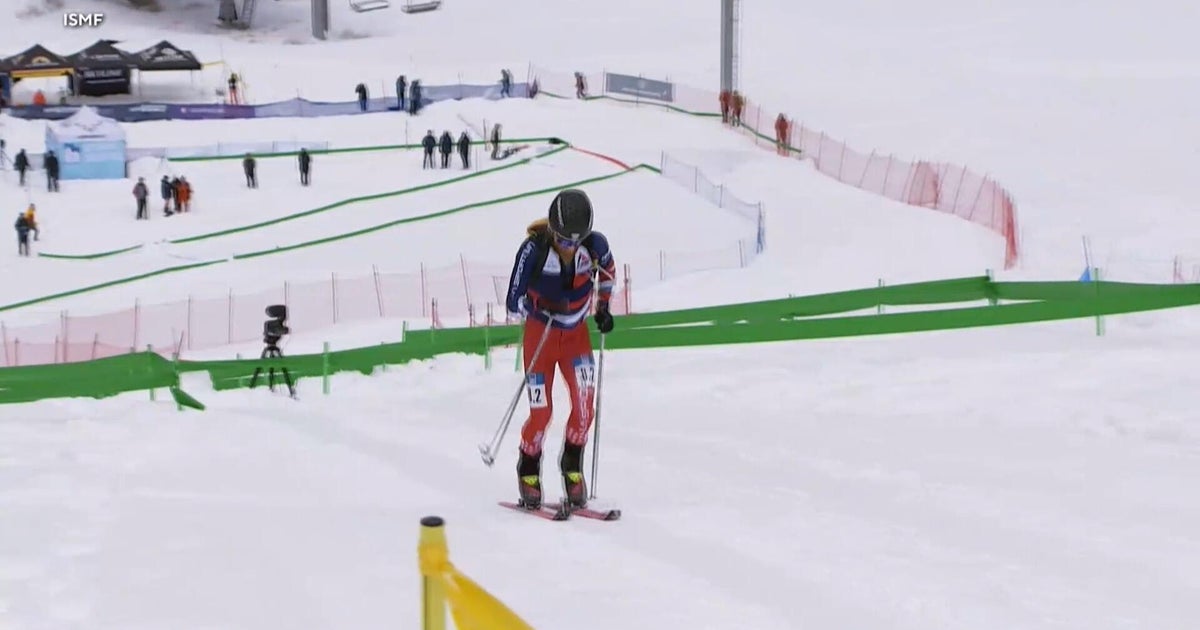
This week marks a historic moment for winter sports enthusiasts as ski mountaineering—affectionately known as “skimo” among its dedicated followers—makes its long-awaited debut at the Milano Cortina Olympics. This adrenaline-pumping sport combines the physical demands of mountaineering with the technical precision of alpine skiing, creating a spectacle that promises to captivate audiences worldwide. The Olympic program will feature three distinct events: a Women’s Sprint, a Men’s Sprint, and a Mixed Relay competition. Each event will test athletes’ endurance, technical skills, and mental fortitude as they navigate challenging mountain terrain in a race against both the clock and their competitors. For those unfamiliar with the sport, skimo represents the perfect marriage of uphill endurance racing and downhill skiing prowess, demanding athletes possess exceptional cardiovascular fitness alongside expert-level skiing abilities.
Understanding the Intense Racing Format
The mechanics of ski mountaineering racing are as fascinating as they are physically demanding. Each race begins with what can only be described as a grueling uphill battle—athletes must sprint up a mountain on specialized skis that are fitted with a unique fabric skin. This ingenious piece of equipment grips the snow surface, providing traction as competitors power their way upward in what looks like an almost superhuman feat of endurance. The ascent covers approximately 70 meters, which translates to nearly 230 feet of vertical climbing—a distance that might not sound overwhelming on paper but becomes a monumental challenge when athletes are racing at maximum speed with their heart rates pushing into the stratosphere. Equipment specialist Davide Giardini explains that the key technique involves dragging one’s feet while sprinting uphill, though he acknowledges this is significantly easier said than done, especially when your cardiovascular system feels like it’s about to explode after just a few strides.
Once athletes conquer the punishing climb and reach the summit, the race is far from over. In fact, what comes next might be even more technically challenging than the ascent. Upon reaching the top, competitors must quickly rip off the climbing skins from their skis—a transition that must be executed with precision and speed, as every second counts. Then comes the descent: a treacherous slalom course that sends athletes careening down the mountain at breathtaking speeds, navigating dicey turns that would make even experienced skiers’ palms sweat. The entire sequence—from the base of the mountain to the summit and back down again—takes elite athletes an average of just three minutes. Those three minutes, however, pack in more physical exertion, technical skill, and tactical decision-making than most people experience in an entire day of recreational skiing.
America’s Skimo Champion Steps onto the Olympic Stage
Leading the charge for the United States is Cam Smith, a name that resonates deeply within the ski mountaineering community. As a 13-time U.S. Ski Mountaineering national champion, Smith has established himself as the country’s most decorated athlete in the sport, accumulating victories and accolades throughout a career defined by dedication and exceptional athletic performance. Now, Smith is poised to etch his name into Olympic history by becoming the first male athlete to represent the United States in ski mountaineering at the Olympic Games. He will compete in both the men’s sprint event and the mixed relay, where he’ll partner with Anna Gibson, another accomplished skimo athlete. For Smith, this Olympic appearance represents not just a personal achievement but a responsibility to showcase American talent and establish a foundation for future generations of U.S. ski mountaineers.
Speaking about the upcoming competition, Smith’s enthusiasm for the sport’s dynamic nature is evident. “I think the racing is gonna be really dynamic because we have the climbs, the descents, the transitions in between,” he explained. “There’s gonna be a lot of back and forth, because people will have different strengths and weaknesses as we navigate this course in nature.” This observation highlights one of ski mountaineering’s most compelling aspects—it’s not simply a test of who’s fastest uphill or most skilled downhill, but rather a complete athletic package that rewards versatility, adaptability, and strategic thinking. Athletes who excel at the climb might struggle with the technical descent, while those who dominate the slalom might lose precious time on the ascent. The transitions between phases also play a crucial role, as fumbling with equipment or losing focus during these critical moments can mean the difference between a podium finish and an also-ran placement.
From Ancient Necessity to Olympic Glory
While ski mountaineering’s inclusion in the Olympics is a new development, the sport itself has roots that stretch back through the centuries. In fact, the practice of traveling uphill on skis dates back to prehistoric Europe, where it served not as a competitive sport but as a practical means of survival. Early Europeans living in mountainous, snow-covered regions developed skiing techniques as a way to get around difficult terrain and hunt for food during harsh winters when other forms of travel became nearly impossible. What began as a necessity born from environmental challenges gradually evolved over millennia into various forms of recreational and competitive skiing. Ski mountaineering as a modern sport has been growing steadily in popularity over recent decades, particularly in European alpine countries where the mountains provide ideal terrain and where the tradition of mountain sports runs deep in the cultural fabric.
The journey from those ancient survival techniques to Olympic competition represents an incredible evolution, one that reflects humanity’s perpetual drive to transform practical skills into competitive challenges. For contemporary athletes like Smith and Gibson, this historical context adds weight and meaning to their Olympic participation. They’re not just competing in a new event—they’re carrying forward a tradition that connects them to countless generations of mountain dwellers who relied on similar skills for their very survival. The Olympic debut also represents validation for a sport that has long existed somewhat in the shadow of its more mainstream skiing cousins like alpine and cross-country. For the dedicated community of ski mountaineers who have been competing in regional, national, and world championship events for years, seeing their sport on the Olympic stage is a dream realized and an opportunity to share their passion with a global audience.
Looking Beyond Milano Cortina to Future Olympic Games
For Cam Smith and the entire U.S. ski mountaineering team, the 2026 Milano Cortina Olympics represent more than just a single competitive opportunity—they’re viewing this debut as the foundation for long-term American success in the sport. “It’s the first time the sport’s gonna be in the Olympics, and so we want the U.S. to be represented well and set us up for success in 2030, 2034 and beyond,” Smith emphasized. This forward-thinking perspective acknowledges that first-time Olympic sports often struggle initially as nations work to develop competitive programs, identify talent, and build the infrastructure necessary for sustained excellence. By performing well in Milano Cortina, the American team hopes to generate interest, attract funding, and inspire a new generation of young athletes to take up ski mountaineering.
Smith’s confidence in the team’s potential is unmistakable: “And once we get there, there’s no limits.” This optimistic outlook reflects both his personal competitive drive and a broader belief in American athletic capability. The United States has historically excelled at developing world-class programs in Olympic sports, even those that aren’t traditionally popular in American culture. With the right support, training facilities, and talent identification systems, there’s no reason ski mountaineering couldn’t follow a similar trajectory. The sport’s combination of elements—endurance climbing, technical skiing, and strategic racing—actually aligns well with American strengths in various winter and endurance sports. As the Milano Cortina Olympics showcase ski mountaineering to millions of viewers worldwide, including many Americans seeing it for the first time, the hope is that some will be inspired to try it themselves, gradually building the grassroots participation that feeds competitive excellence at the highest levels. Whether Cam Smith and Anna Gibson return home with medals or simply with the satisfaction of representing their country well, their participation this week marks the beginning of what they hope will be a long and successful American tradition in Olympic ski mountaineering.