


Israel’s Strike on Iran’s South Pars Gas Field: A Game-Changer for Global Energy Security
The Strategic Importance of the World’s Largest Natural Gas Field
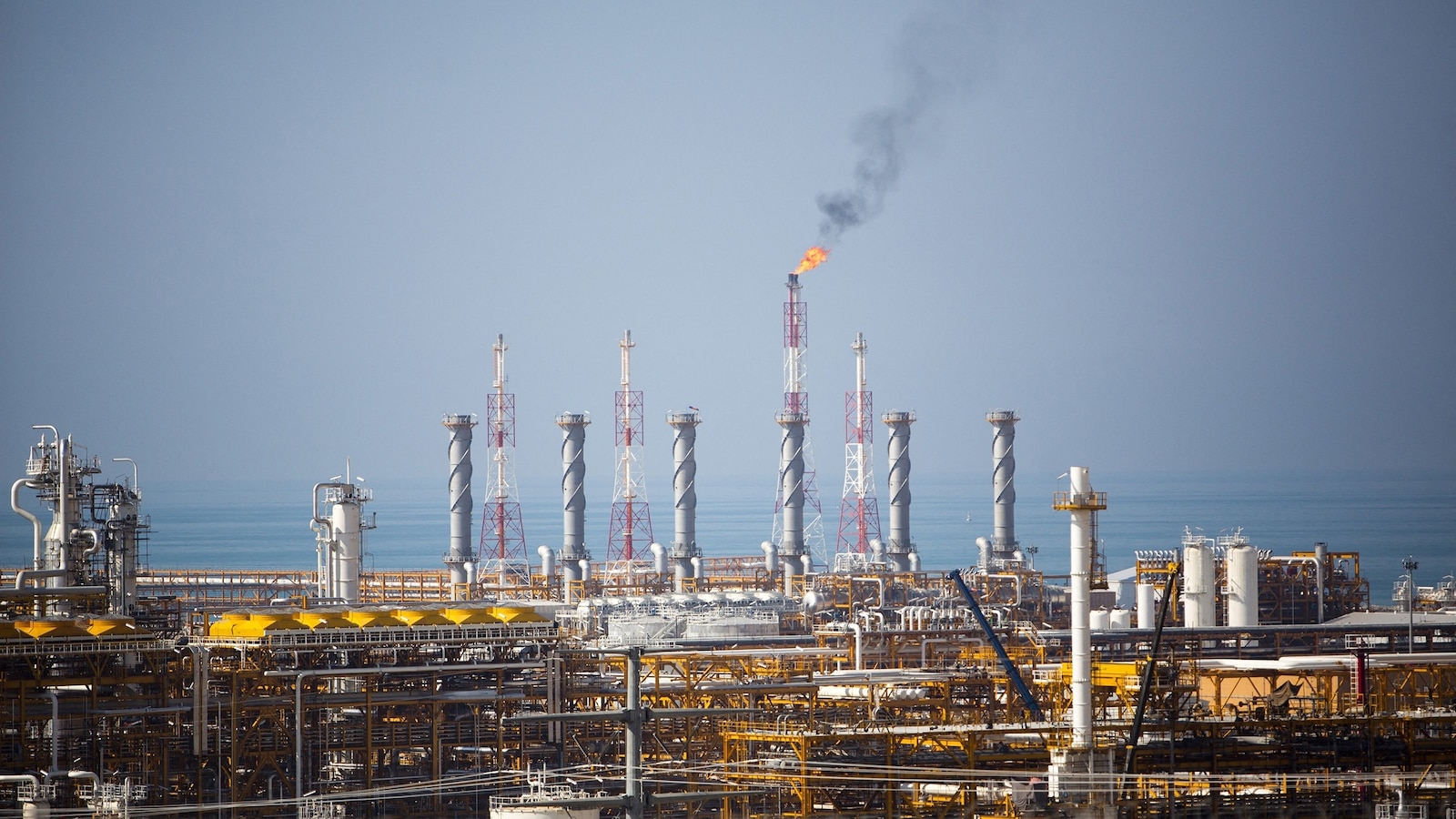
In a dramatic escalation of Middle Eastern tensions, Israel conducted air strikes on South Pars, the world’s largest natural gas field, sending shockwaves through global energy markets and raising serious concerns about regional stability. This massive offshore field, stretching across approximately 3,700 square miles in the Persian Gulf, isn’t just another energy facility—it’s the lifeblood of Iran’s domestic energy supply and a cornerstone of global natural gas trade. According to energy experts speaking with ABC News, this unprecedented attack represents a fundamental shift in how conflicts in the region are conducted, breaking long-standing informal agreements about protecting vital energy infrastructure. The South Pars field contains an astounding 1,800 trillion cubic feet of usable natural gas, making it an irreplaceable asset not just for Iran, but for the entire global energy landscape. The decision to target this facility marks a departure from historical norms that have generally kept the world’s most critical energy infrastructure off-limits during military conflicts.
Devastating Consequences for Iran and Its Trading Partners
The immediate impact on Iran’s economy and energy security cannot be overstated. Ira Joseph, a senior research associate at Columbia University’s Center on Global Energy Policy, revealed that South Pars accounts for approximately 70% of all natural gas consumed within Iran. This means that damage to this single facility could cripple the country’s ability to heat homes, generate electricity, and power industries. David G. Victor, a professor at the University of California at San Diego, emphasized that this isn’t just about energy—it’s about the entire Iranian economy. When such a critical piece of infrastructure is damaged, the ripple effects spread throughout the economic system, potentially causing a cascade of failures in other sectors. Beyond Iran’s borders, the strike has disrupted gas exports to Turkey, Iraq, and Central Asia, with Turkey alone receiving up to 15% of its natural gas from Iranian sources. The interconnected nature of South Pars with Qatar’s North Dome field—together they form one massive geological formation that straddles international waters—means that this attack has implications far beyond Iranian territory. Combined, these fields account for roughly 10% of all gas traded globally and about 20% of the world’s liquified natural gas exports, making any disruption a matter of international concern.
Global Market Reactions and Regional Vulnerabilities
The attack’s impact on global energy markets has been swift and dramatic, though not evenly distributed across different regions. While the United States remains relatively insulated from natural gas price shocks due to its substantial domestic production capacity, other nations face far more serious consequences. Catherine Wolfram, a professor of energy economics at MIT, explained that America’s limited export infrastructure actually protects it from being fully exposed to the volatility now gripping Asian and European markets. However, countries heavily dependent on natural gas imports—particularly Japan, South Korea, and numerous European nations—are experiencing significant supply disruptions and price increases. The attack triggered an immediate escalation, with Iran launching retaliatory strikes against energy infrastructure throughout the Gulf region, including facilities in Qatar, Saudi Arabia, and the United Arab Emirates. Most notably, Iran targeted the Ras Laffan facility in Qatar, the world’s largest LNG terminal, a move that prompted Qatar’s Ministry of Foreign Affairs to issue a statement warning that “targeting energy infrastructure constitutes a threat to global energy security, as well as to the peoples of the region & its environment.” This tit-for-tat escalation has sent Brent crude oil prices soaring to $119 per barrel, reflecting market fears about sustained disruption to energy supplies from one of the world’s most critical production regions.
Breaking Historical Norms and Precedents
What makes this particular strike especially significant is that it shatters a long-standing, unwritten rule of regional warfare. According to Professor Victor from UC San Diego, there has historically been an understanding within the Middle East to avoid attacking each other’s vital infrastructure, particularly energy facilities. This informal agreement existed because both sides recognized that obliterating critical energy infrastructure would cause enormous harm not just to each other, but to global markets that neither side wanted to completely destabilize. The mutual interest in maintaining some level of energy production and export capability had, until now, kept these facilities relatively safe even during periods of intense conflict. The decision to launch an attack of this magnitude on South Pars represents either a calculated decision that the potential benefits outweigh the risk of setting a dangerous new precedent, or a signal that the conflict has reached a point where such considerations no longer apply. Either interpretation is deeply troubling for global energy security. This attack essentially removes the protective shield that had previously existed around the world’s most critical energy infrastructure, potentially opening the door to similar strikes on other facilities that were previously considered off-limits.
Far-Reaching Consequences Beyond Energy Prices
While much attention has focused on the immediate impact on energy prices and supply, the consequences of disrupting South Pars extend far beyond the energy sector itself. Naho Mirumachi, a professor of environmental politics at King’s College London, pointed out that the volatility in natural gas production can have serious downstream effects on agriculture and global food production. Natural gas plays a crucial role in manufacturing fertilizers, which are essential for modern agriculture. When gas supplies are disrupted or prices spike, fertilizer production suffers, leading to shortages or price increases that ultimately translate into higher food costs for consumers worldwide. This creates a particularly troubling situation because agricultural production operates on strict seasonal schedules—crops can’t simply wait for gas production to return to normal levels. Farmers facing fertilizer shortages or prohibitively expensive fertilizer may be forced to reduce their use of these essential inputs, potentially leading to declining crop yields at a time when global food security is already under pressure from various factors including climate change and population growth. The interconnected nature of modern global systems means that a strike on a natural gas field in the Persian Gulf can ultimately affect food prices and availability for families thousands of miles away.
International Response and Future Implications
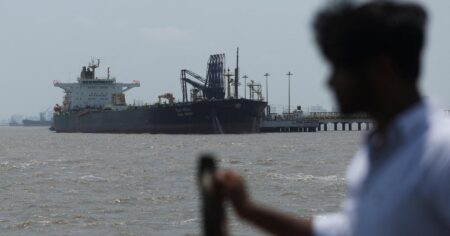
The international response to these escalating attacks has been swift but reveals the complexity of the situation. President Donald Trump issued a statement clarifying that neither the United States nor Qatar had advance knowledge of Israel’s plan to attack the South Pars field, and he called for Israel to refrain from further attacks on the facility unless Iran continues its strikes on Qatar’s LNG infrastructure. This diplomatic intervention highlights the delicate balancing act that major powers must perform when vital global interests are at stake. The conflict has already prompted unprecedented action from the International Energy Agency, which announced the release of 400 million barrels of oil from strategic reserves—the largest such release in the organization’s history—in response to Iran’s blockade of the Strait of Hormuz, through which approximately one-fifth of the world’s oil supply passes. The United States has also become directly involved militarily, conducting strikes on Iran’s Kharg Island, which processes 90% of Iranian oil exports, though President Trump indicated that while military targets were destroyed, oil infrastructure was deliberately left intact. This distinction suggests an attempt to maintain some boundaries even as the conflict escalates. As this situation continues to develop, the world watches nervously, aware that each strike and counterstrike in this energy-focused conflict has the potential to reshape global markets, affect billions of people through higher energy and food costs, and establish dangerous new precedents for how future conflicts might be conducted in regions that hold the keys to global energy security.